World
Ukraine warns ceasefire offer may change if UN stalls
Ukraine has signaled that its ceasefire offer to Russia is not fixed, warning the United Nations Security Council that the terms may be recalibrated if the council cannot pass a resolution calling for a “full and unconditional” end to hostilities. The message from Andrii Melnyk turned a diplomatic session in New York into a test of leverage: Kyiv wants the council to prove it still matters, even as Russia’s veto makes binding action unlikely.
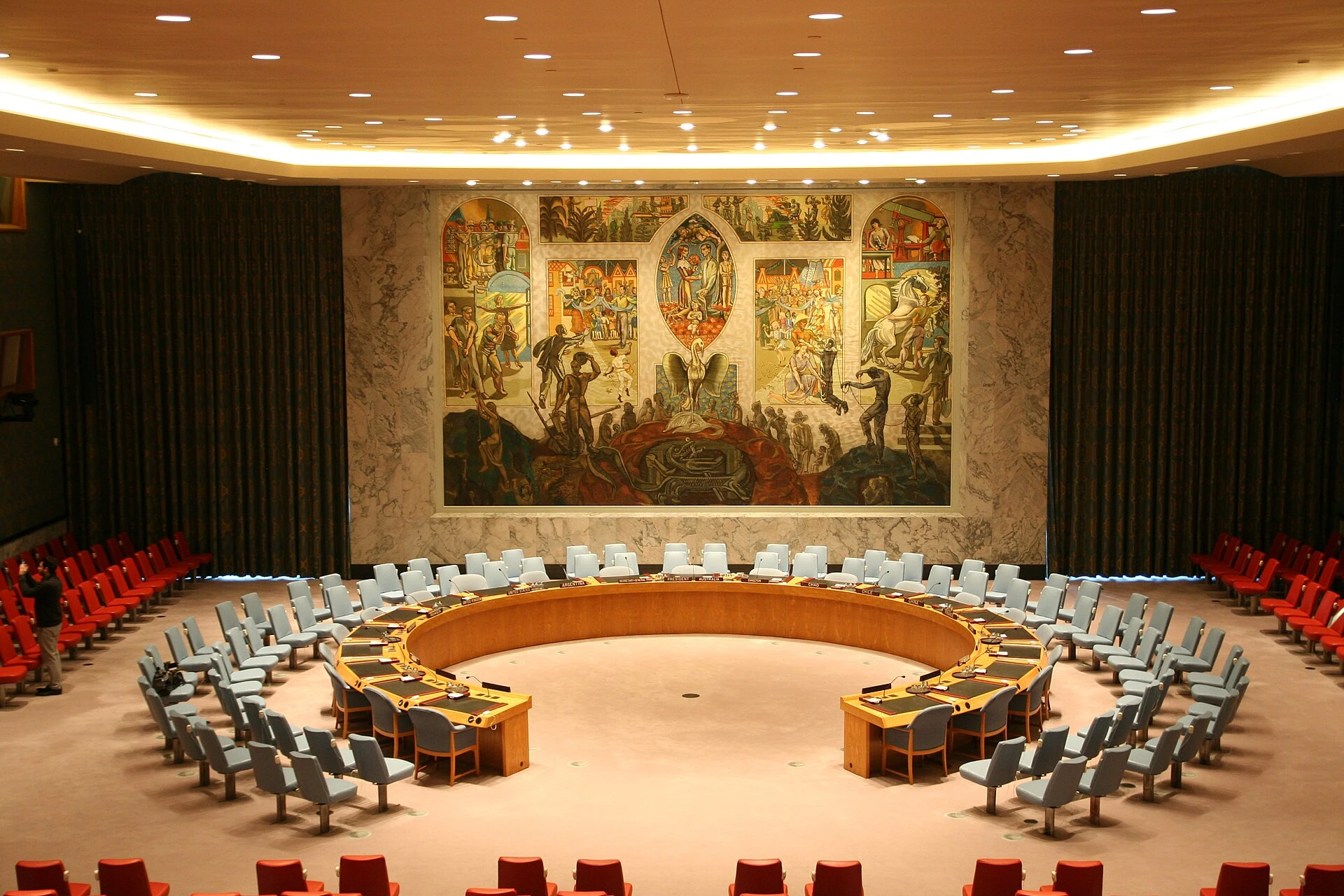
The warning landed during the council’s sixth meeting on the war in recent months, part of a stretch of repeated sessions that have produced warnings but little movement. The council had already adopted resolution 2774 in February 2025 by a 10-0-5 vote, imploring “a swift end to the conflict” and urging lasting peace between Ukraine and Russia. More than a year later, the fighting has intensified rather than eased.
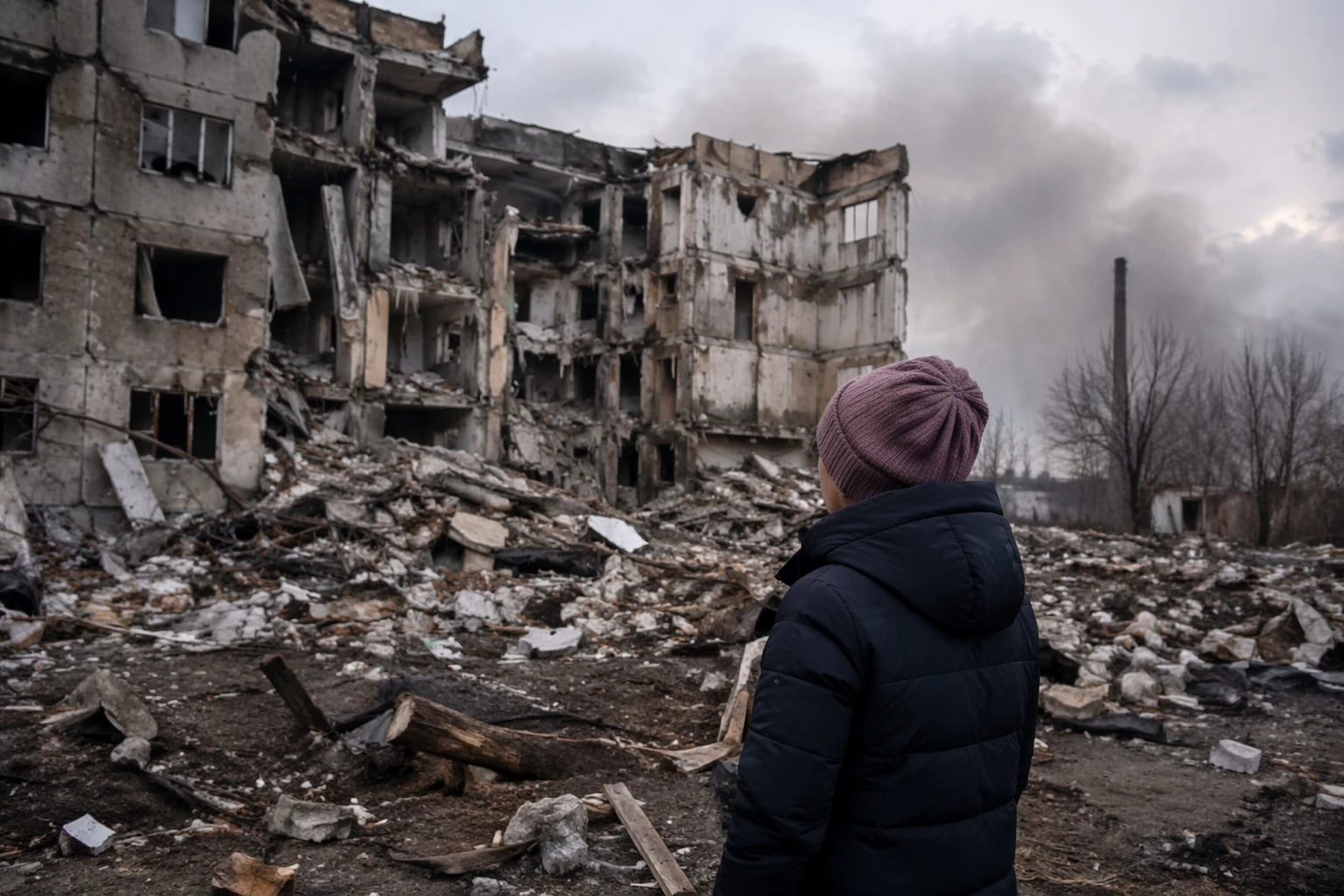
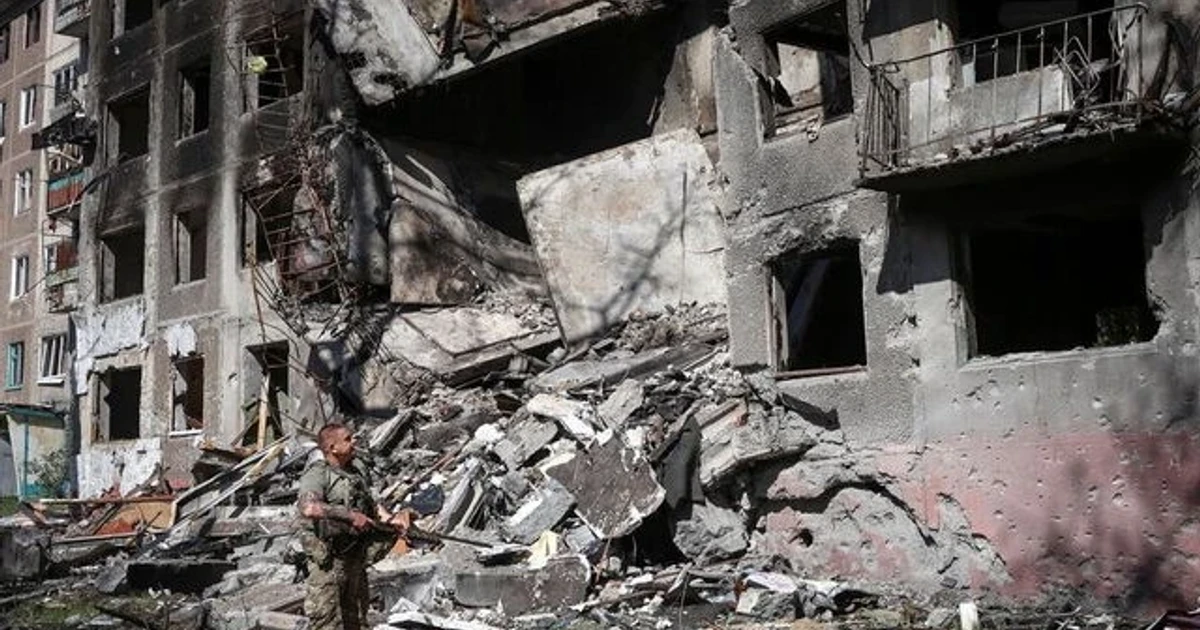
UN officials told the council on 8 June 2026 that the war had reached its deadliest point since Russia’s full-scale invasion in 2022. They said more than 15,000 civilians had been killed in Ukraine, and that in the first four months of 2026 more civilians were killed than in the same period in 2025, 2024 or 2023. On 28 May, officials also described the conflict as entering a worrying “new phase,” with more than 41,000 people injured and millions forced to flee as aerial attacks deepened civilian suffering on both sides of the front line.
That backdrop helps explain why Ukraine is using the threat of a changed offer as pressure, not surrender. A ceasefire along the de facto frontline would freeze battlefield realities where they stand, shaping control over territory and the balance of power entering any wider talks. If Kyiv hardens or narrows its proposal, it could signal that Russia and its backers are the ones blocking compromise, while keeping Ukraine from looking pinned to a static formula that the council cannot enforce.
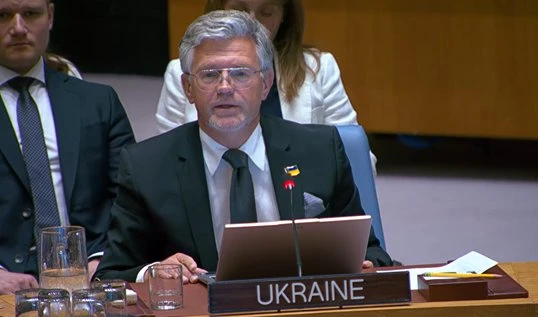
Melnyk has pushed the council to move beyond statements and vote on an immediate and unconditional ceasefire. He has also urged Ukraine’s partners to expand air-defense assistance “at least tenfold, better twentyfold,” linking diplomacy to the practical need to shield cities, power grids and civilians from the next wave of attacks. The logic is simple: more air defense buys time, and more time preserves bargaining power.
For now, Ukraine is keeping its ceasefire channel open while making clear that patience has limits. In a chamber where Russia can block action, the threat to recalibrate may be the closest thing Kyiv has to real diplomatic leverage.
Sources
- [1]usnews.com
- [2]main.un.org
- [3]news.un.org
- [4]press.un.org
- [5]digitallibrary.un.org
- [6]ukrinform.net