World
Ukraine’s battlefield gains fail to ease civilians’ humanitarian crisis
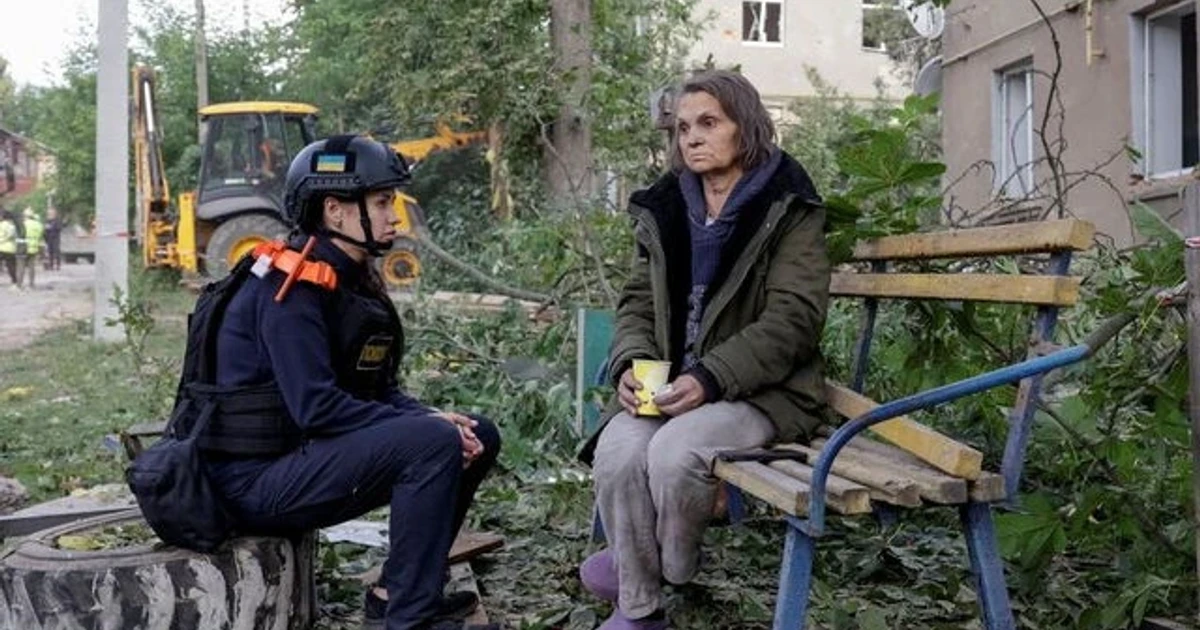
Ukraine’s shifting battlefield position has not eased the daily humanitarian strain on civilians caught in the war’s long aftermath. As military headlines improved, aid groups and U.N. agencies said families across the country were still living with displacement, trauma and damaged infrastructure that no frontline gain could quickly repair.
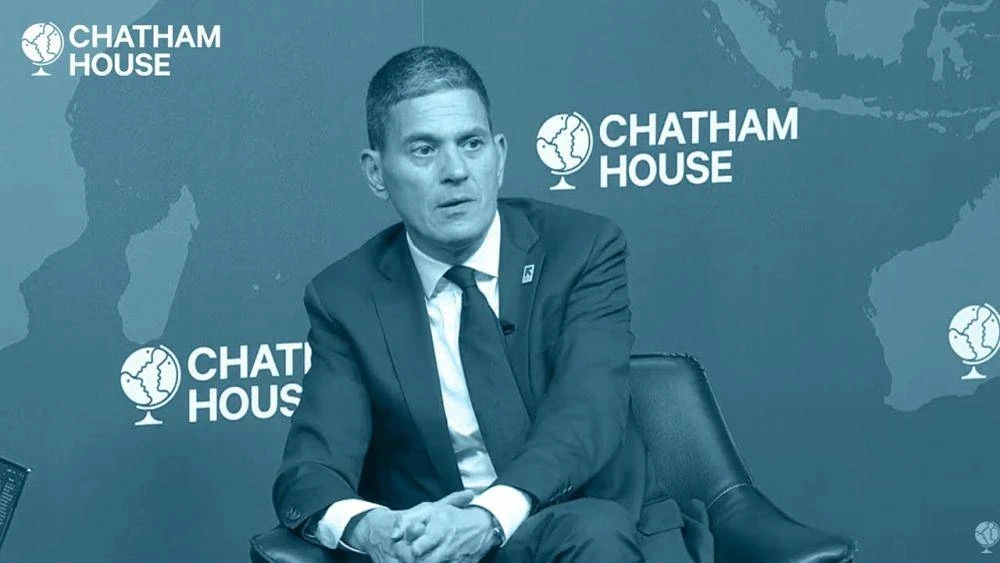
David Miliband, the president and chief executive of the International Rescue Committee, said the basic picture remained grim even as Russia’s advance had been slowed to a virtual halt in recent months. Speaking during a visit to southeastern Ukraine on World Refugee Day, he warned that there were “more shocks and fewer shock absorbers” in what he called the “new world disorder,” underscoring how quickly political narratives can outrun life on the ground.
The scale of need remains stark. The United Nations High Commissioner for Refugees said 10.8 million people inside Ukraine need humanitarian assistance in 2026, including 3.7 million internally displaced people, while 5.9 million Ukrainians remain refugees abroad. The U.N. humanitarian response plan is seeking $2.3 billion to help 4.1 million of the most vulnerable people this year. By September 2025, UNHCR had recorded 5.75 million refugees from Ukraine globally, and it said 12.7 million people inside the country required humanitarian assistance that year.
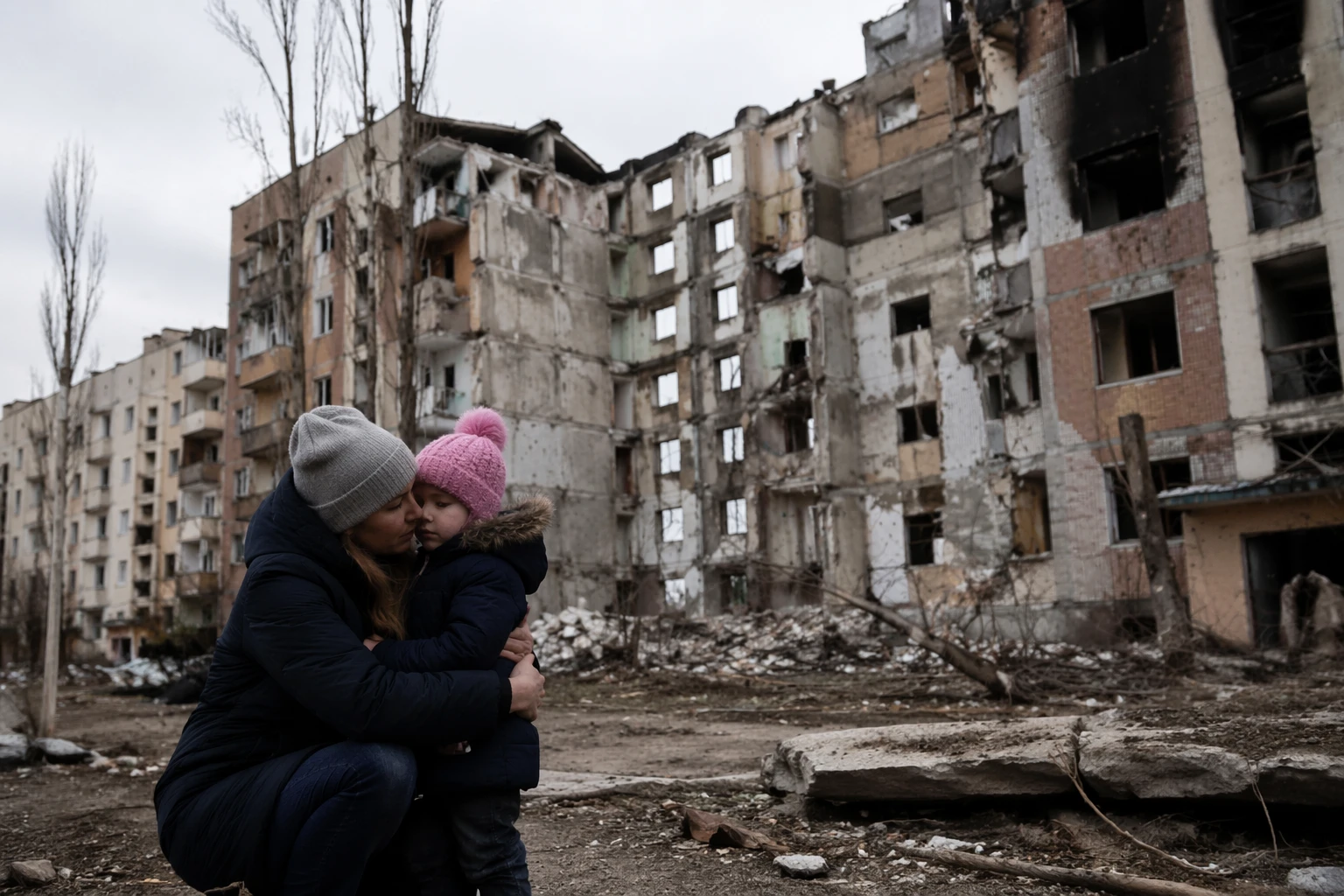
The war’s toll on civilians is still rising. The U.N. Human Rights Monitoring Mission in Ukraine said at least 815 civilians were killed and 4,174 injured in the first four months of 2026, including 211 killed and 1,206 injured in March alone, the highest monthly toll since July 2025. UNHCR said hostilities in 2025 intensified attacks on housing and critical infrastructure, driving major power outages and water cuts that left whole communities struggling to keep basic services going.
The International Rescue Committee said its medical teams worked in frontline villages and remote communities, where the need for mobile care and trauma support remained acute. The group has also provided emotional support for children and women who experienced abuse, a reminder that mental health needs are a central part of the war’s legacy, not a side effect.
The humanitarian picture has also been reshaped by shrinking donor support. The IRC said aid spending had plunged and its Ukraine budget was cut in half, to an estimated $20 million in 2027 from $40 million last year. Even as some refugees and displaced people returned to their areas of origin by mid-October 2025, millions remained uprooted, and the gap between battlefield progress and civilian recovery stayed wide.
Sources
- [1]usnews.com
- [2]rescue.org
- [3]unhcr.org
- [4]ukraine.un.org
- [5]unocha.org
- [6]ukraine.ohchr.org