World
Ukraine’s drone campaign overwhelms Russia’s air defenses
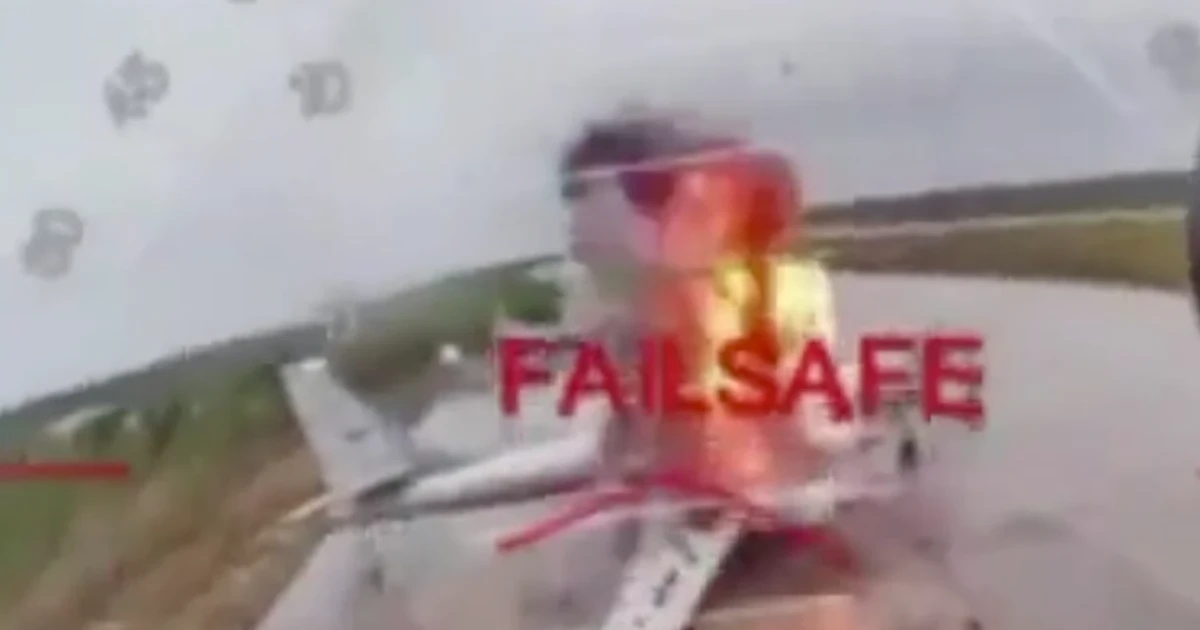
Ukraine’s drone pilots logged more than 800,000 recorded hits against Russia in the first half of 2026, a tempo that has pushed Russian air defenses into a costly sprint for interceptors they cannot easily replace. CBS News has said the strikes are forcing Moscow to burn through missiles, including scarce S-300 stocks, faster than Russian industry can replenish them, while the Institute for the Study of War says Ukraine has exploited overstretched defenses and shown Russia cannot reliably shield Moscow from drone attacks.
The sharpest example came in the sweeping long-range assault on Russian airfields code-named Spider’s web. Ukrainian security services said the operation had been planned for more than a year and a half and destroyed 34 percent of Russian strategic bombers carrying cruise missiles, causing about $7 billion in damage. The attack underscored the central shift in the air war: cheap, persistent drones are not just harassing the front, but reaching deep into Russia and forcing high-value defenses to spend on every interception.
Ukraine is also building a broader unmanned force around smaller systems that are easier to mass and harder to stop. The Hornet, which Russian forces call the Martian-2, is a mid-range kamikaze drone partially guided by artificial intelligence. It has a 2-meter wingspan, a range of more than 100 kilometers, a speed of 200 kilometers per hour and a payload of 4.5 kilograms. Volodymyr Zelensky said on June 10 that June 11 would be Ukraine’s Day of the Unmanned Systems Forces, calling Ukraine the first country to establish such a branch and saying its drone forces had inflicted nearly $40 billion in damage on Russian targets in one year.
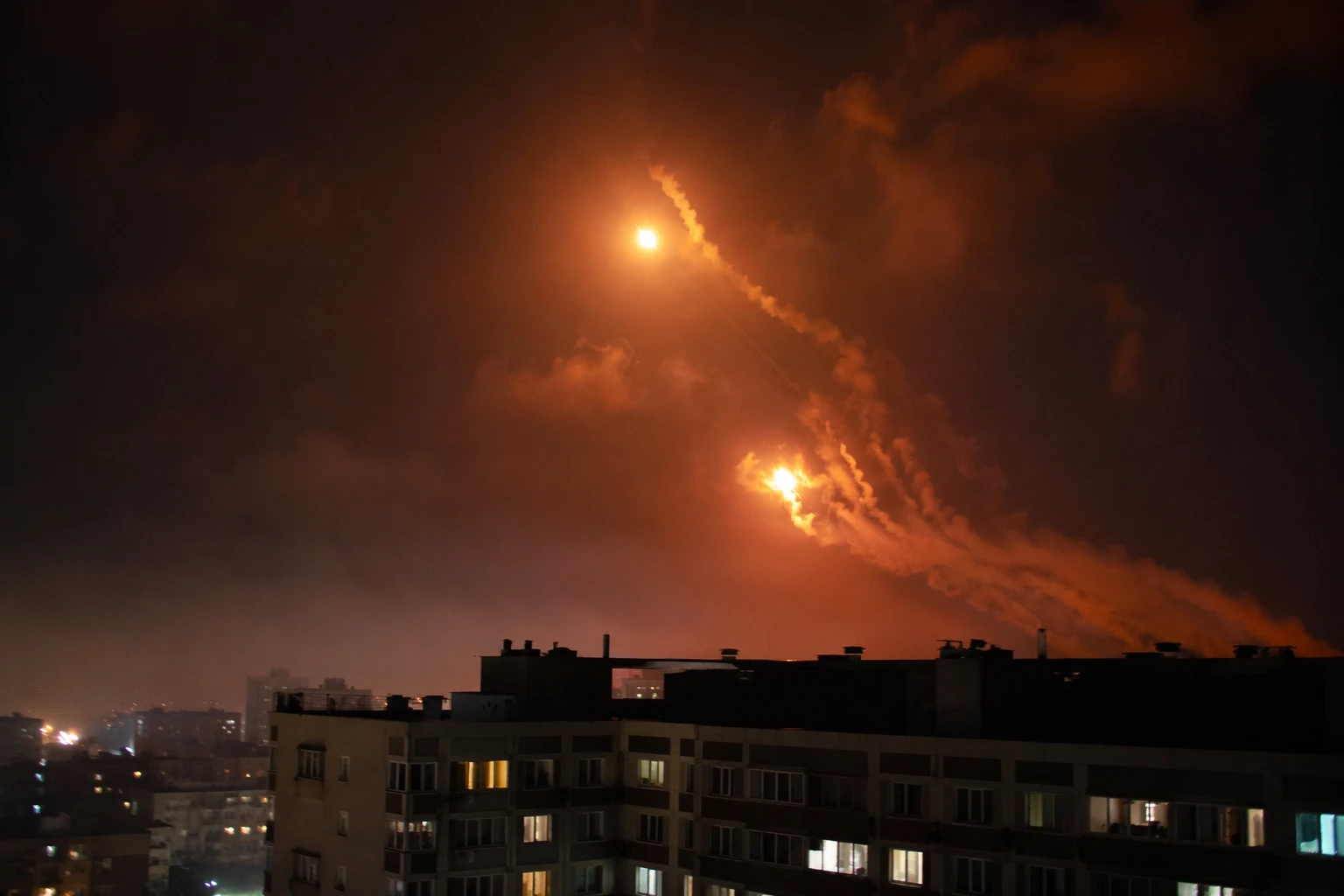
The unmanned campaign is no longer limited to strikes. Business Insider has reported that Ukrainian drone units now move water, ammunition and medicine to the front, while operators keep command centers mobile and underground because they are prime targets. The same reporting said small Ukrainian drone teams have beaten NATO units in exercises, a sign that battlefield adaptation has moved faster in Ukraine than in much of the West. On June 24, a Ukrainian naval commander also pressed for naval drones that can detain ships in the Black Sea rather than sink them, pointing to a policing and maritime-security role that extends beyond combat.
Western capitals are taking note. On June 18, the UK said it would provide Ukraine with 150,000 drones and 350 air-defense missiles and radars by the end of 2026 in a loan package backed by frozen Russian assets. That mix of offense and defense reflects the new equation Ukraine has forced on the battlefield: every cheap drone that gets through can compel an expensive response, and every missed intercept weakens the case for traditional air-defense doctrine far beyond Ukraine.
Sources
- [1]news.google.com
- [2]france24.com
- [3]businessinsider.com
- [4]cbsnews.com
- [5]understandingwar.org
- [6]kyivpost.com