World
Ukraine's drone commander aims to cut Crimea off from Russia

Deep inside an underground command post near the front line, the commander of Ukraine’s drone forces is studying live battlefield feeds and trying to convert scattered strikes into a single operational goal: cutting Crimea off from Russia. Major Robert Brovdi, known by the call sign Madyar, is using Ukraine’s Unmanned Systems Forces to build a campaign around sustained pressure on roads, fuel supplies and occupied territory rather than one-off attacks.
The centerpiece of that effort is the R-280, also known as the Novorossiya highway, the main land route linking Russia’s Rostov region to occupied Crimea. Brovdi said traffic on the road had fallen by 71% over the past month, a drop that points to a larger logistics problem for Russian forces than isolated damage to individual vehicles. Ukraine’s drone strikes on fuel trucks and other supply vehicles have also helped disrupt movement enough that Russian occupation command on the land corridor to Crimea barred military cargo traffic, a sign that the pressure has reached military planning, not just the civilian road network.
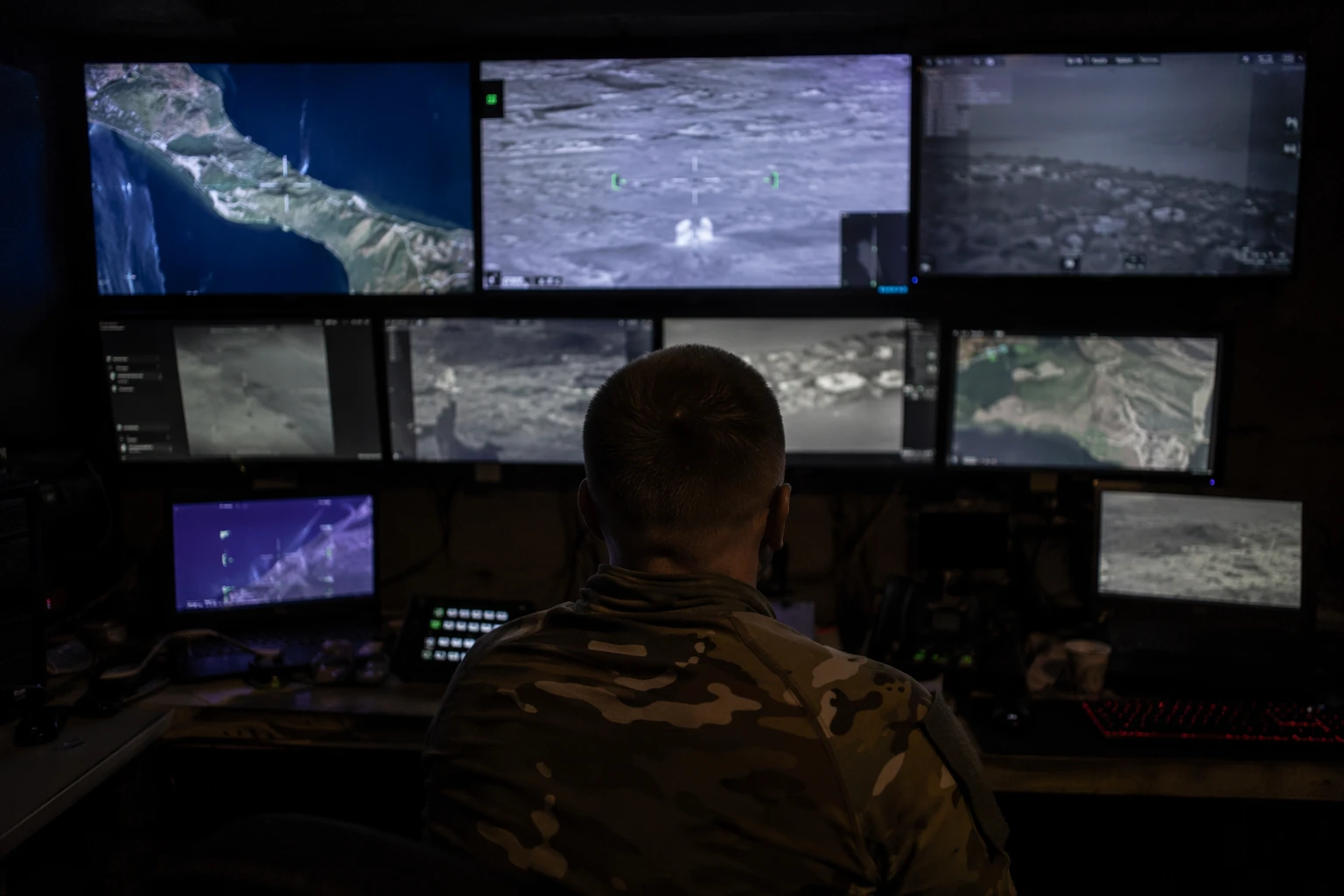
The consequences are already visible in Crimea itself. Russian-controlled authorities had been rationing gasoline since early June, with sales limited to 20 liters per person and queues forming at filling stations. QR-code controls tied to license plates added another layer of restriction, then on June 4 occupation authorities suspended cash gasoline sales and stopped issuing new fuel coupons. Sergey Aksyonov, the Moscow-installed head of Crimea, said the fuel situation might normalize within about 30 days, a reminder of how quickly a logistics squeeze can spill into daily life.

That is why Crimea matters so much in this war. It is both a symbol of Russian control and a practical hub for supply routes, air defenses and fuel distribution. If Ukraine can sustain a drone-led campaign that keeps the peninsula under strain, the military effect would go beyond damaged trucks and rationed pumps: it would complicate Russia’s ability to move cargo, reinforce occupied positions and present Crimea as secure. The symbolic effect would be just as sharp, because an occupied territory that cannot be reliably supplied is an occupied territory whose hold is no longer settled.

Brovdi’s rise reflects that shift in scale. Ukraine formally incorporated the Unmanned Systems Forces into the Armed Forces on June 25, 2024, appointed Brovdi commander on June 3, 2025, and then formed a UAS Forces grouping on June 20, 2025 to unify drone units under one command. The bunker screens and the falling traffic count suggest a new model of warfare, one built to isolate a territory by attacking its arteries until the map itself starts to change.
Sources
- [1]usnews.com
- [2]globalbankingandfinance.com
- [3]nv.ua
- [4]armyinform.com.ua