World
Ukraine’s Drone Commander Challenges Russia’s Battlefield Edge
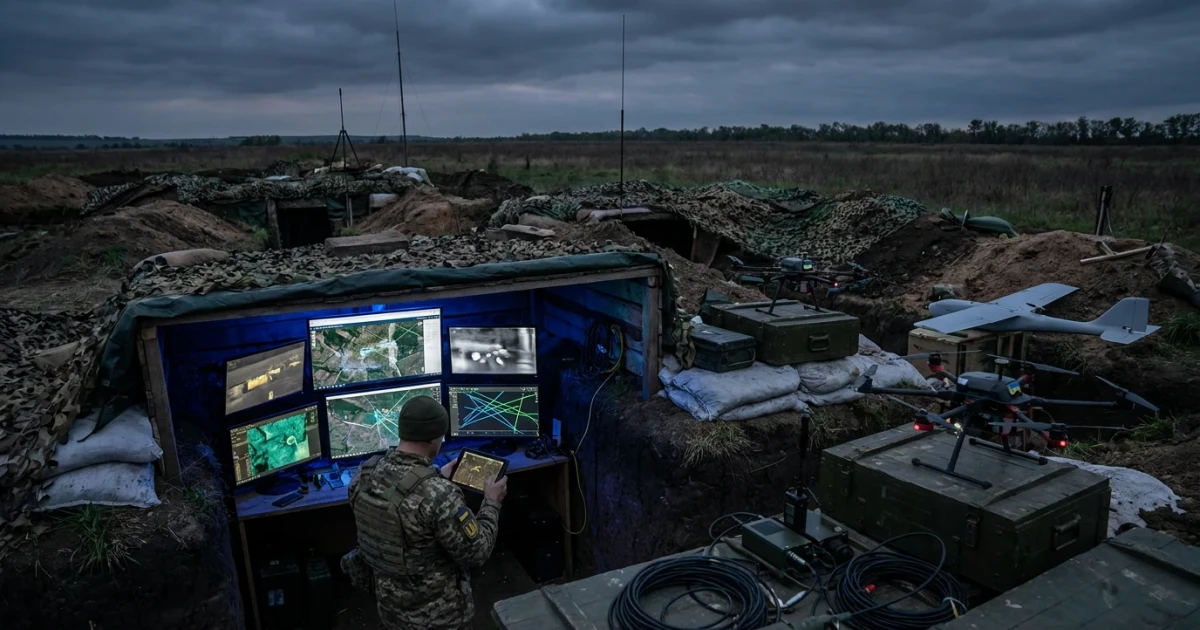
Ukraine’s innovative drone warfare has become a defining feature of the ongoing conflict with Russia, and at the center of this effort stands the commander known as ‘Madyar’. As the leader of a key Ukrainian drone unit, Madyar has overseen operations that have not only disrupted Russian advances but also underscored the growing vulnerability of Vladimir Putin’s forces on the battlefield.
The Rise of Ukraine’s Drone Warfare
Ukraine’s military has rapidly adapted to the realities of modern combat, integrating drones and new technology into its tactics. Known for his callsign, Madyar leads a drone team that has gained a reputation for their effectiveness and ingenuity. Their work involves not only surveillance and reconnaissance but also direct strikes against Russian positions, supply convoys, and armored vehicles.
- Drone units like Madyar’s have played a critical role in halting Russian advances, especially in contested regions.
- The use of commercial and modified drones has allowed Ukrainian forces to respond nimbly to Russian tactics.
- Footage of successful strikes, often captured by drone cameras, has become a staple of Ukrainian military messaging and morale-building.
According to multiple analyses, Ukraine’s approach has leveled the playing field, countering Russia’s numerical and technological advantages by leveraging inexpensive, adaptable drones. These tactics have forced Russian forces to rethink their defensive strategies and invest more in anti-drone countermeasures.
Madyar’s Impact on the Front Lines
Madyar’s unit exemplifies the blend of improvisation and technical skill that has come to characterize Ukraine’s war effort. Operating near the front lines, his team is credited with:
- Pinpointing enemy fortifications for artillery strikes
- Disrupting Russian logistics by targeting fuel and ammunition depots
- Tracking troop movements in real-time, giving Ukrainian commanders critical intelligence
These successes have been corroborated by visual evidence on social media and independent documentation of equipment losses on both sides. The Guardian reported that Madyar’s group has become a symbol of Ukrainian resilience, combining grassroots innovation with military necessity.
Russian Response and Growing Vulnerabilities
Russia’s military, long seen as a formidable force in conventional warfare, has struggled to adapt to the scale and ingenuity of Ukraine’s drone operations. As highlighted in The Guardian’s account, the most recent Victory Day parade in Moscow was notably subdued, reflecting the Russian leadership’s concern over mounting losses and the shifting dynamics on the battlefield.
Observers note several signs of Russian vulnerability:
- A reduction in the number and types of military hardware showcased during public events
- Heightened emphasis on electronic warfare and jamming as counter-drone strategies
- Public acknowledgment of supply and manpower challenges
These developments are supported by campaign assessments that track Russian efforts to blunt the impact of Ukraine’s drone units. Yet, despite these efforts, the adaptability of leaders like Madyar has complicated Russia’s attempts to regain the initiative.
The Broader Implications for Modern Warfare
Madyar’s story is emblematic of a broader shift in how wars are fought. Ukraine’s creative use of drones has not only challenged Russian dominance but also provided valuable lessons for militaries around the world. The success of these units has spurred international interest in supplying advanced unmanned systems, as reflected in the SIPRI Arms Transfers Database and other official records of military aid to Ukraine.
As the conflict continues, the prominence of figures like Madyar signals a new era of decentralized, tech-driven warfare. While the strategic outcome remains uncertain, Ukraine’s drone commanders have already left a permanent mark on the evolution of military tactics in the 21st century.
Looking Ahead
With each passing month, the contest between drone innovation and countermeasures intensifies. For Ukraine, leaders like Madyar embody the nation’s resolve and resourcefulness. For Russia, the challenge is now to adapt as swiftly as its adversary or risk further setbacks—both on the battlefield and in the eyes of the world.