World
Ukraine’s drone strikes deepen in Russia, alarming NATO investors
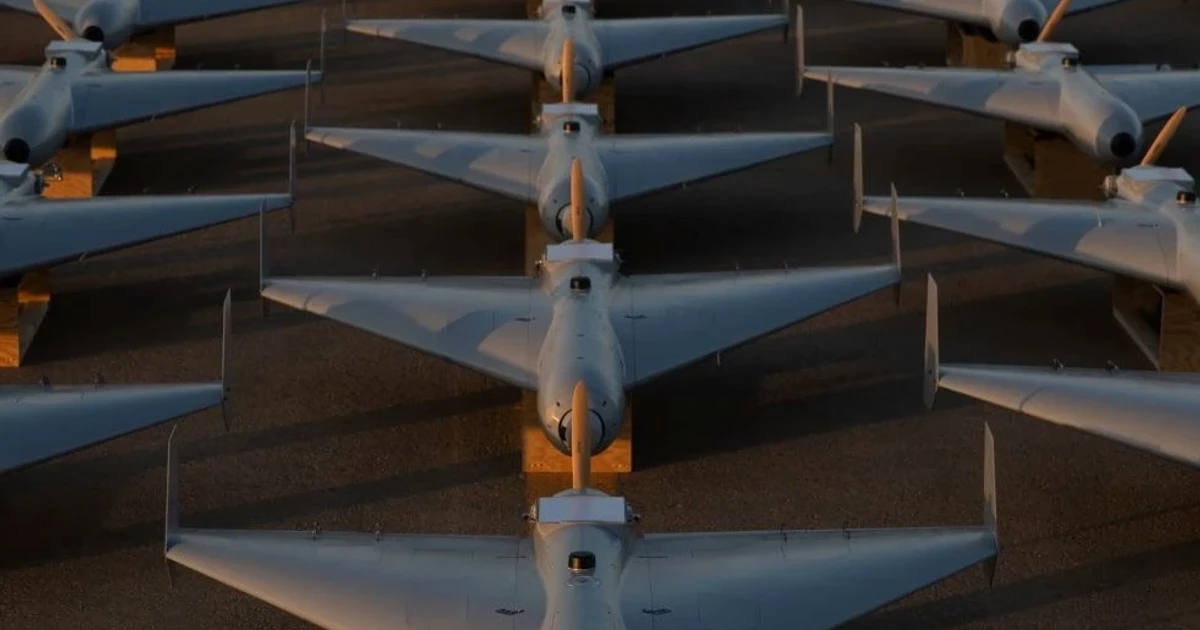
Ukraine’s drone campaign knocked Russia’s largest oil refinery offline and hit 21 Russian ships within 72 hours, sharpening pressure on NATO to rethink what needs defending and what now deserves the money. Allies meeting in Ankara on July 7 pledged more than $40 billion over five years for counter-drone capabilities and said they want to train five times as many drone operators by the end of 2027.
The shift is being driven by Ukraine’s expanding deep-strike playbook. The Institute for the Study of War said Ukraine’s concentrated attacks are degrading Russian air defenses and disrupting logistics, creating openings for follow-on strikes against other valuable targets in the rear. The group also said President Volodymyr Zelensky authorized a 40-day intermediate- and long-range strike campaign on June 25, a sign Kyiv is treating drones and other strike systems as a sustained operational tool, not a one-off tactic.
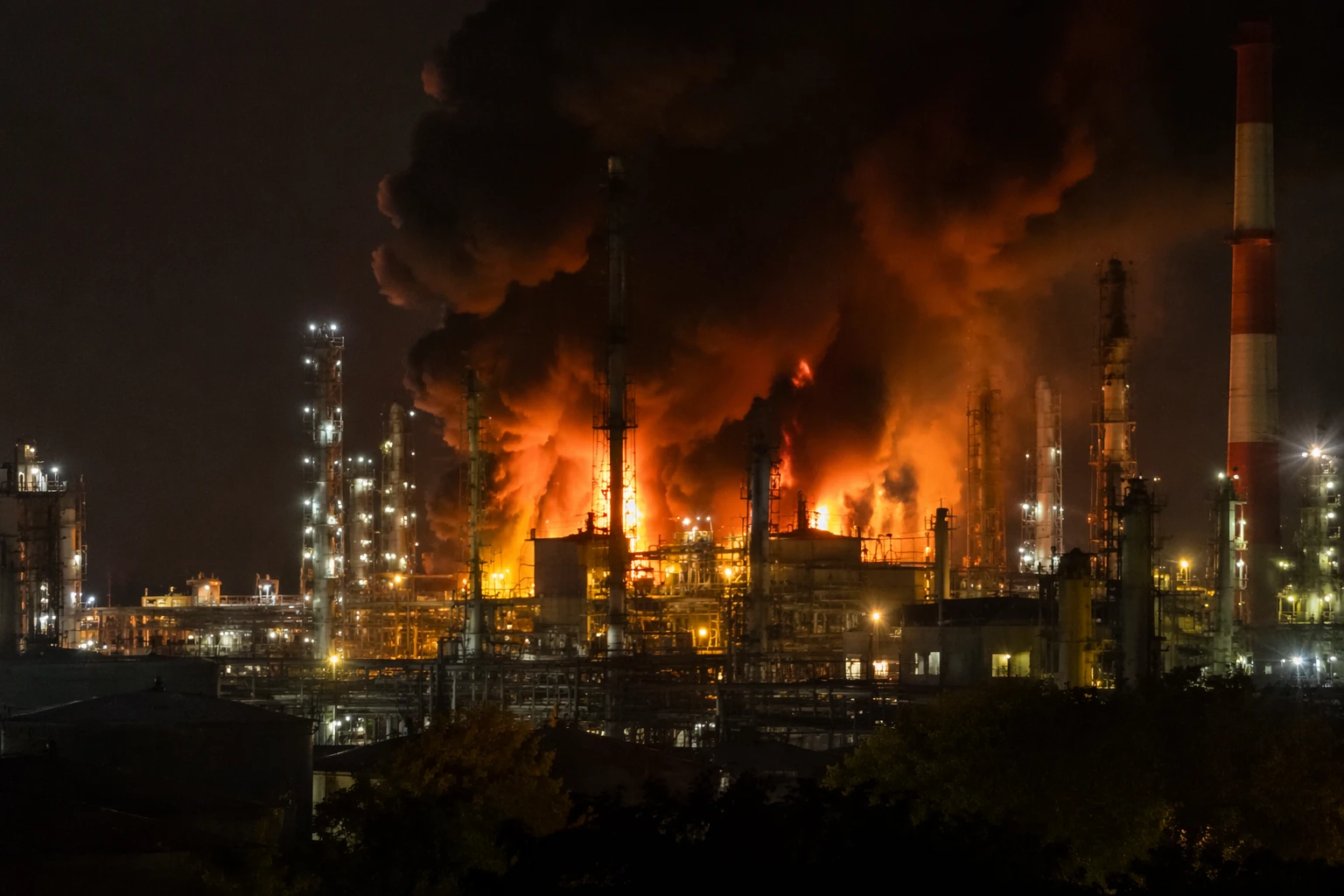
The clearest example came from Omsk, in western Siberia, where the Omsk oil refinery halted operations after a Ukrainian drone attack. Reuters sources said the plant’s CDU-10 unit handles about 38 percent of output and CDU-11 about 37 percent, while the refinery processes roughly 440,000 barrels a day. Reuters-linked reporting said the site stopped selling gasoline and diesel on the Saint Petersburg International Mercantile Exchange after the attack.
The pressure is spreading beyond energy. AP counted more than 50 reported Ukrainian attacks since March on Russian refineries, depots, terminals and other energy infrastructure in Russia and occupied Crimea, with shortages and long queues spreading across the country. Reuters reported that fuel disruptions have reached Russia’s grain belt, where farmers fear they may struggle to harvest crops. Vladimir Putin has dismissed the shortages, even as Russia has vowed more frequent and massive strikes on Ukraine after earlier drone attacks reached Moscow and damaged refinery infrastructure there.
At sea, Ukraine is also widening the target set. Seatrade Maritime News said Ukraine hit 21 Russian ships within 72 hours, adding to concerns that vessels tied to Russia or its wartime trade may face retaliation. That maritime pressure runs alongside strikes on energy assets and transport nodes, creating a campaign that is cheap enough for Ukraine to sustain but expensive enough for Moscow to defend against across multiple domains.
For NATO, the lesson is increasingly about procurement. The alliance’s new counter-drone push, including a marketplace to speed access to defenses, points to money moving toward detection, interception and mass-produced unmanned systems, while legacy assumptions about deterrence and high-end platforms face a harder test from weapons that are small, adaptable and already changing the war’s balance.
Sources
- [1]news.google.com
- [2]cnbc.com
- [3]understandingwar.org
- [4]straitstimes.com
- [5]nato.int
- [6]seatrade-maritime.com
- [7]apnews.com