World
Ukraine’s drone war pushes strikes deep into Russian territory
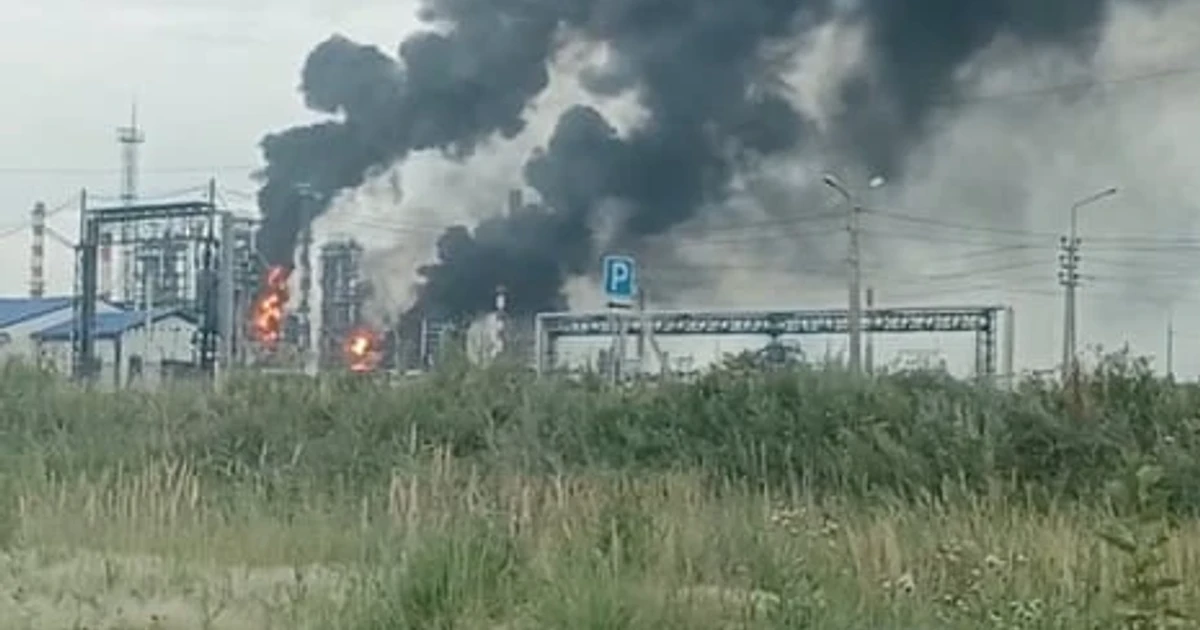
The European Union and Ukraine sealed a drone deal on July 15, tying Kyiv’s battlefield experience to Europe’s industrial capacity just as Ukrainian unmanned systems pushed farther into Russia. A drone strike hit the Omsk oil refinery, about 2,500 kilometers from Ukraine, showing how fast the war’s aerial reach has expanded beyond the front line.
That long-range pressure is forcing NATO to spend. On July 7, alliance members said they will invest more than $40 billion in counter-drone capabilities over the next five years and train five times as many drone operators by the end of 2027. The figure captures how drones have become a budget line, not just a battlefield tool, as militaries race to defend bases, refineries and troop concentrations against cheap aircraft that can be produced and replaced far faster than traditional systems.
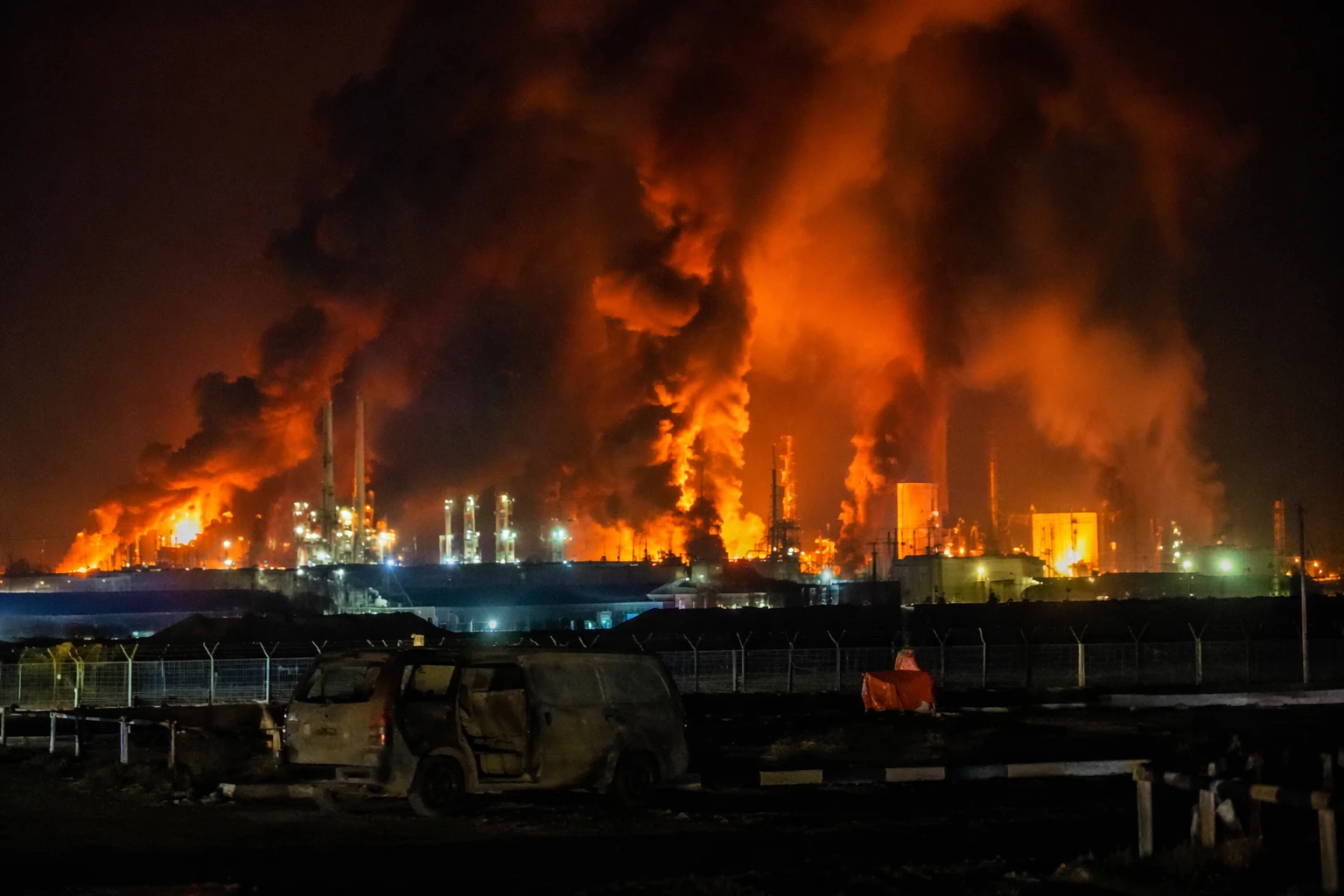
Ukraine has made that scale central to its war effort. In early 2026, Ukrainian claims put drones at more than 80% of enemy targets destroyed, with production and battlefield use expanding into the millions of units a year. Kyiv has also signed new drone-production cooperation deals with the European Union, Denmark, Estonia, the Netherlands and U.S. firms, building a supply chain designed to keep pace with the tempo of the war and the attrition of equipment on both sides. The appeal is clear: drones can strike deep without risking a pilot, and they can be fielded in numbers that artillery or manned aircraft cannot match at the same cost.

The same logic has spread through the Middle East. In June 2025, Israel launched strikes against Iran’s nuclear program, ballistic missile sites and energy facilities, triggering a broader regional confrontation. Iran answered with missiles and drones against Israel and other U.S. and partner targets across the region, and research groups including the Carnegie Endowment for International Peace have described Iran’s Shahed-style one-way attack drones as central to its strategy because they are cheap, scalable and built to overwhelm air defenses through mass use.
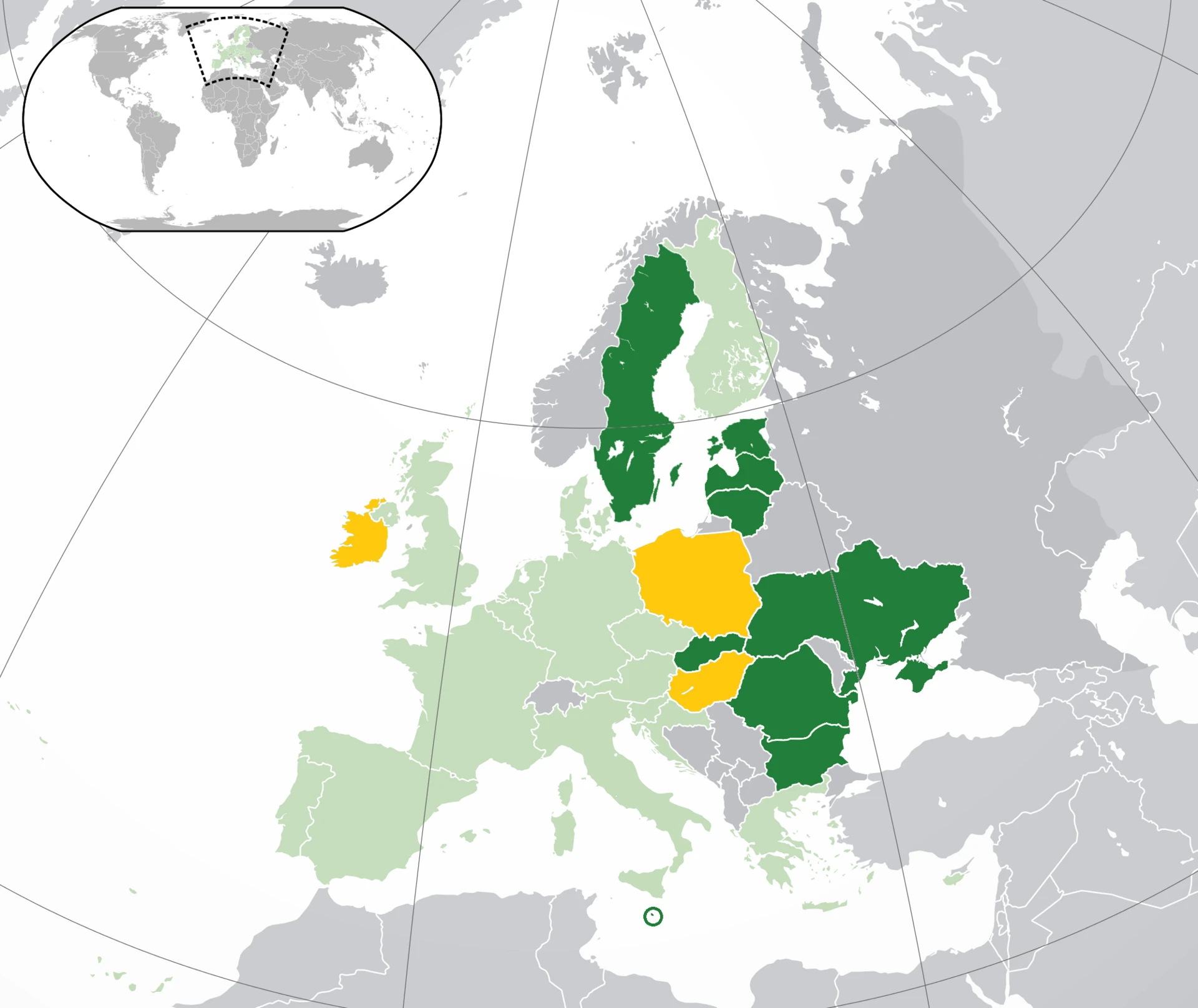
That combination of range, volume and low cost is changing doctrine from Ukraine to the Middle East. It is also exposing the limit of the weapon: drones are only as effective as the defenses trying to stop them, which is why the next phase of modern warfare is now being measured not only in strike counts, but in counter-drone investment, industrial output and the ability to absorb losses faster than an opponent can.
Sources
- [1]cbsnews.com
- [2]nato.int
- [3]cnbc.com
- [4]usnews.com
- [5]carnegieendowment.org
- [6]commonslibrary.parliament.uk
- [7]businessinsider.com