World
Ukrainian drone makers pitch battle-tested systems to Japan
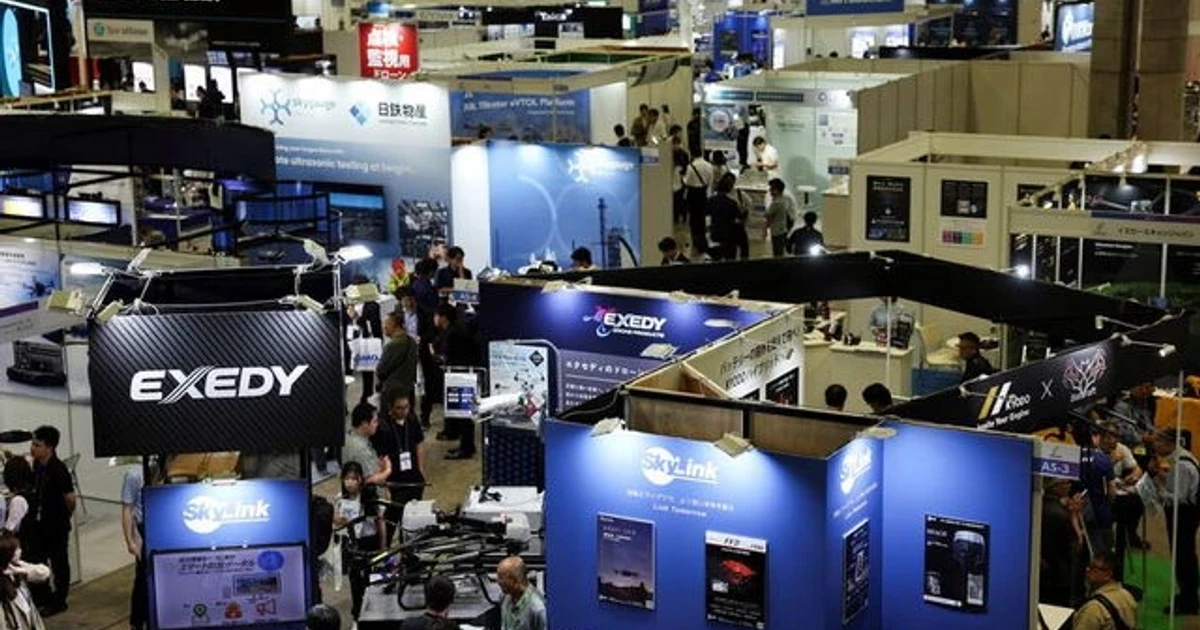
Ukrainian drone makers have taken a battlefield sales pitch to Japan, arguing that combat-proven systems from Ukraine deserve a place in Asia’s fast-changing defense market. In April, UFORCE chief executive Oleg Rogynskyy flew to Tokyo to urge Japanese officials and defense contractors to help manufacture thousands of Ukrainian-designed drones for Japan’s own defense needs and for allies.
The timing mattered. U.S. troops had just used waterborne UFORCE drones to sink a ship during a secretive exercise near the South China Sea and Pacific Ocean, and UFORCE’s Magura surface vessel had already helped make parts of the Black Sea too dangerous for the Russian navy. For Asian buyers, the appeal is not just speed or price. It is the credibility that comes from systems tested under live fire.

Japan is moving in a direction that makes the pitch more plausible. On April 21, 2026, Tokyo approved a major loosening of its long-standing weapons-export restrictions, a historic shift that opens more room for overseas sales and defense collaboration. Japan’s FY2026 planning also set aside ¥10.2 billion for counter-drone equipment, signaling that unmanned systems are no longer peripheral to the country’s defense debate. The Japanese defense ministry said it is examining all possible options to acquire the equipment it needs for its new way of warfare.
That shift intersects with wider anxieties about Taiwan and regional sea lanes. A CNAS assessment argues that Taiwan should build a layered asymmetric defense that includes drone interceptors to deny Chinese air superiority, a concept that places cheap unmanned systems at the center of force design. Ukrainian firms including UFORCE, Skyeton, General Cherry and Swarmer are seeking Japanese production or technology partners, turning wartime performance into a commercial argument for industrial cooperation.
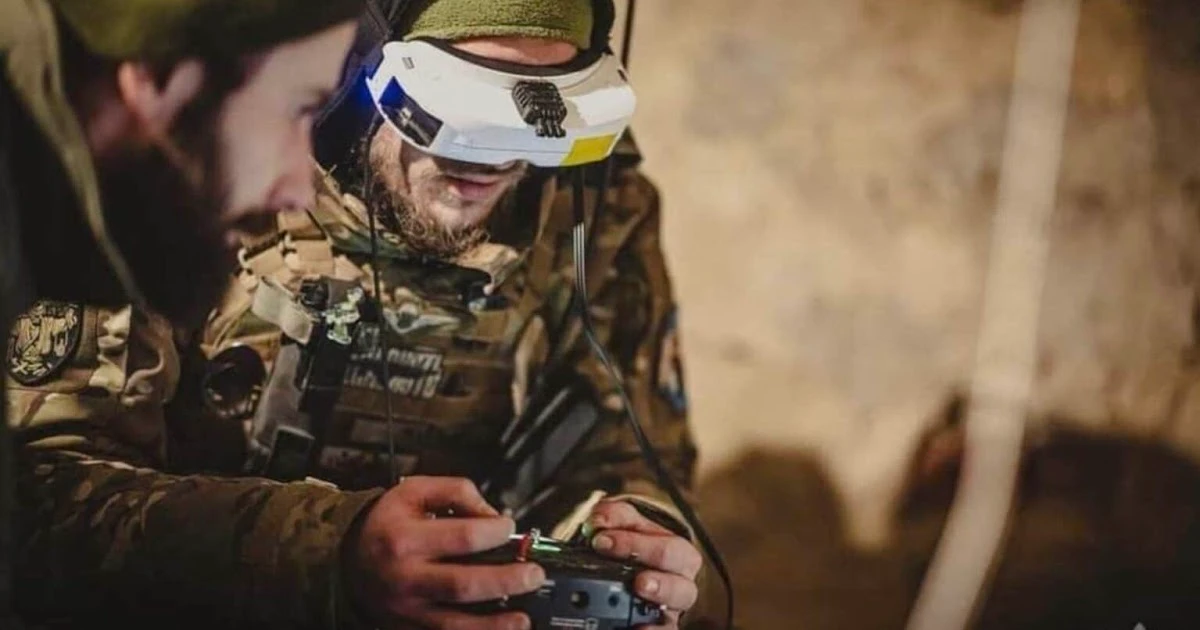
The credibility point is central. Skyeton says its Raybird unmanned aerial system has logged more than 350,000 combat flight hours, a figure that gives Japanese buyers a rare hard metric rather than a brochure claim. Former Japanese defense minister Itsunori Onodera welcomed the idea, saying Japan needs equipment that is actually demonstrating effective power. Volodymyr Zelenskiy has also said Kyiv is ready to share sea-drone technology with Japan.

The same hardware is now being demonstrated farther from the Black Sea. Reporting on Balikatan 2026 said a Ukrainian-developed Magura unmanned surface vessel sank a target ship during a live-fire drill off Itbayat in the Batanes archipelago on April 24, 2026. That kind of showing extends Ukraine’s drone industry beyond wartime survival. It turns combat experience into an export product, and it places Ukrainian manufacturers inside a broader Asian rearmament market shaped by Taiwan risk, maritime competition and demand for systems that have already survived the battlefield.
Sources
- [1]usnews.com
- [2]straitstimes.com
- [3]mod.go.jp
- [4]s3.us-east-1.amazonaws.com
- [5]skyeton.com
- [6]hiwars.com
- [7]iiss.org