World
Ukrainian drone strikes leave Moscow region's biggest refinery offline for months
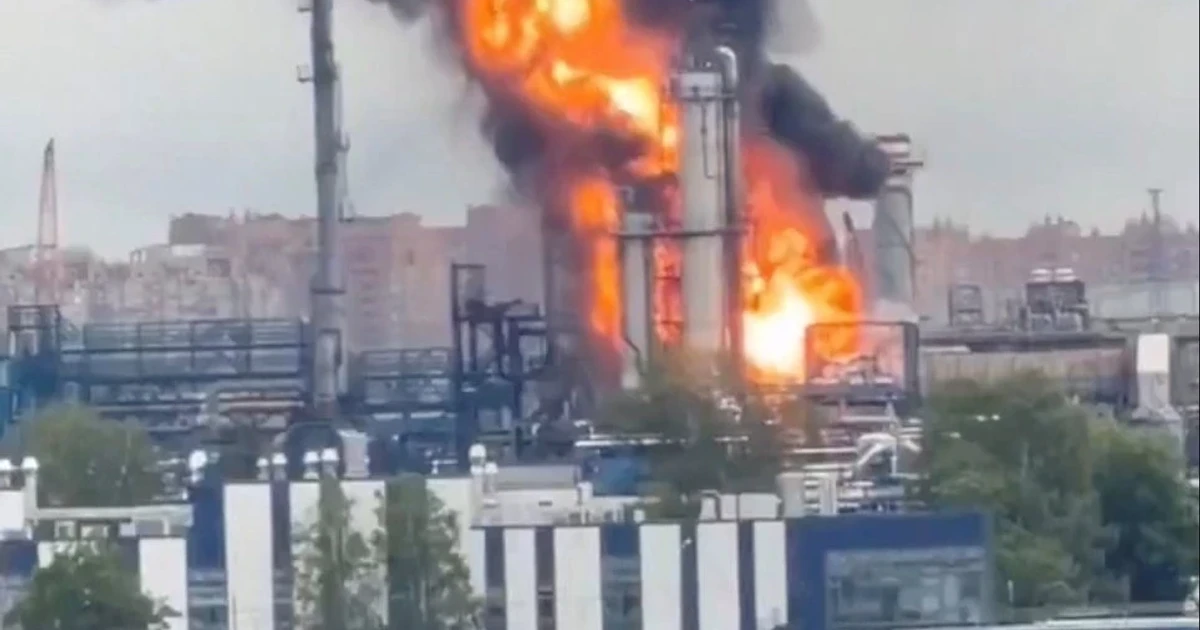
Ukrainian drone strikes knocked Gazprom Neft’s Moscow oil refinery in Kapotnya offline for months, cutting into the largest fuel supplier to the Moscow region and exposing a weak point in Russia’s domestic energy system.
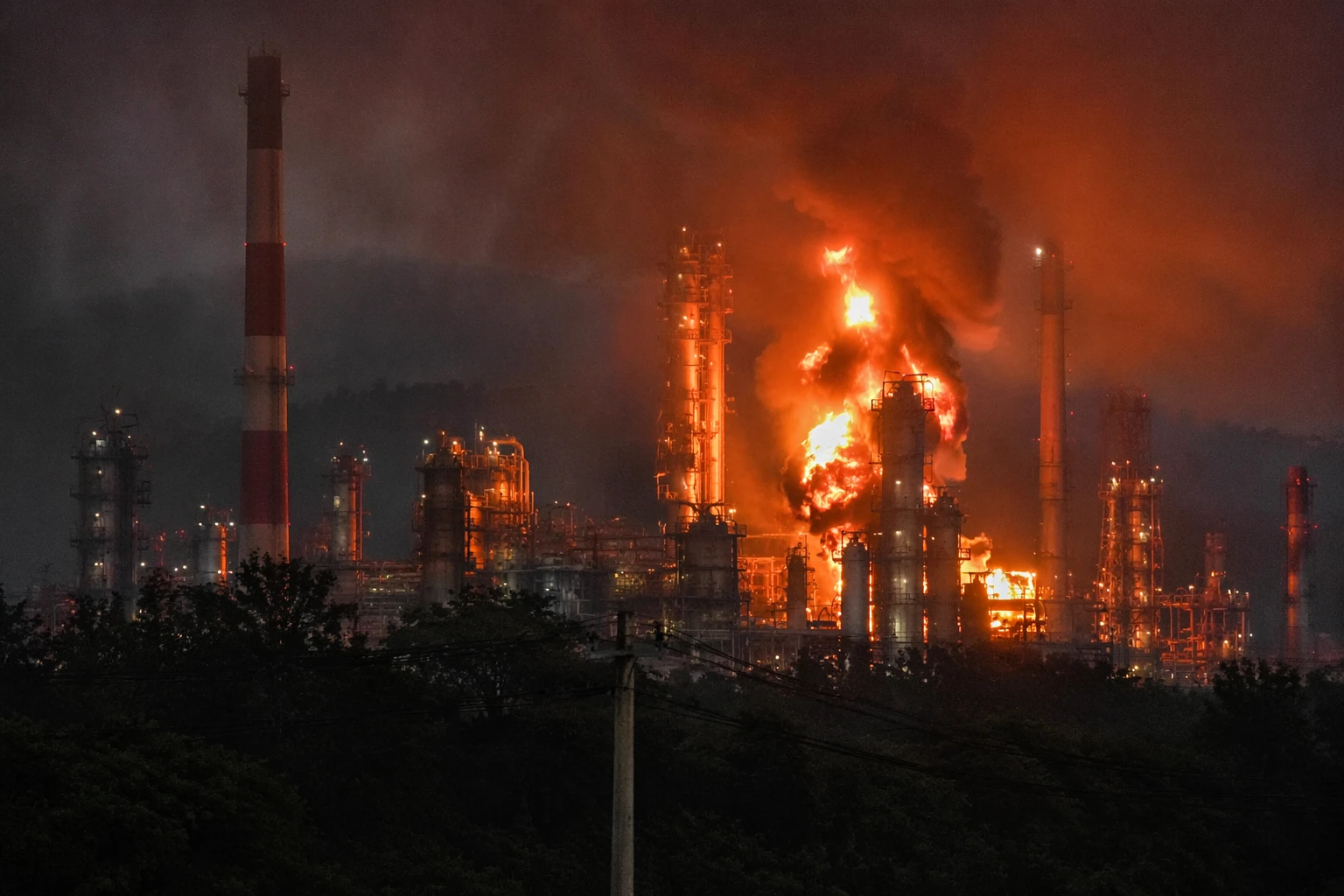
The plant on Moscow’s southern outskirts was hit twice in June. The first strike damaged a primary refining facility that accounted for 53% of the refinery’s capacity, and a later attack damaged the Euro+ combined oil refining unit, auxiliary power units, inter-unit pipelines, secondary processing facilities and storage tanks. Industry sources said the damage was severe enough to keep the refinery out of action for at least six months, with some assessments pushing the outage to the end of 2026 or into early 2027.
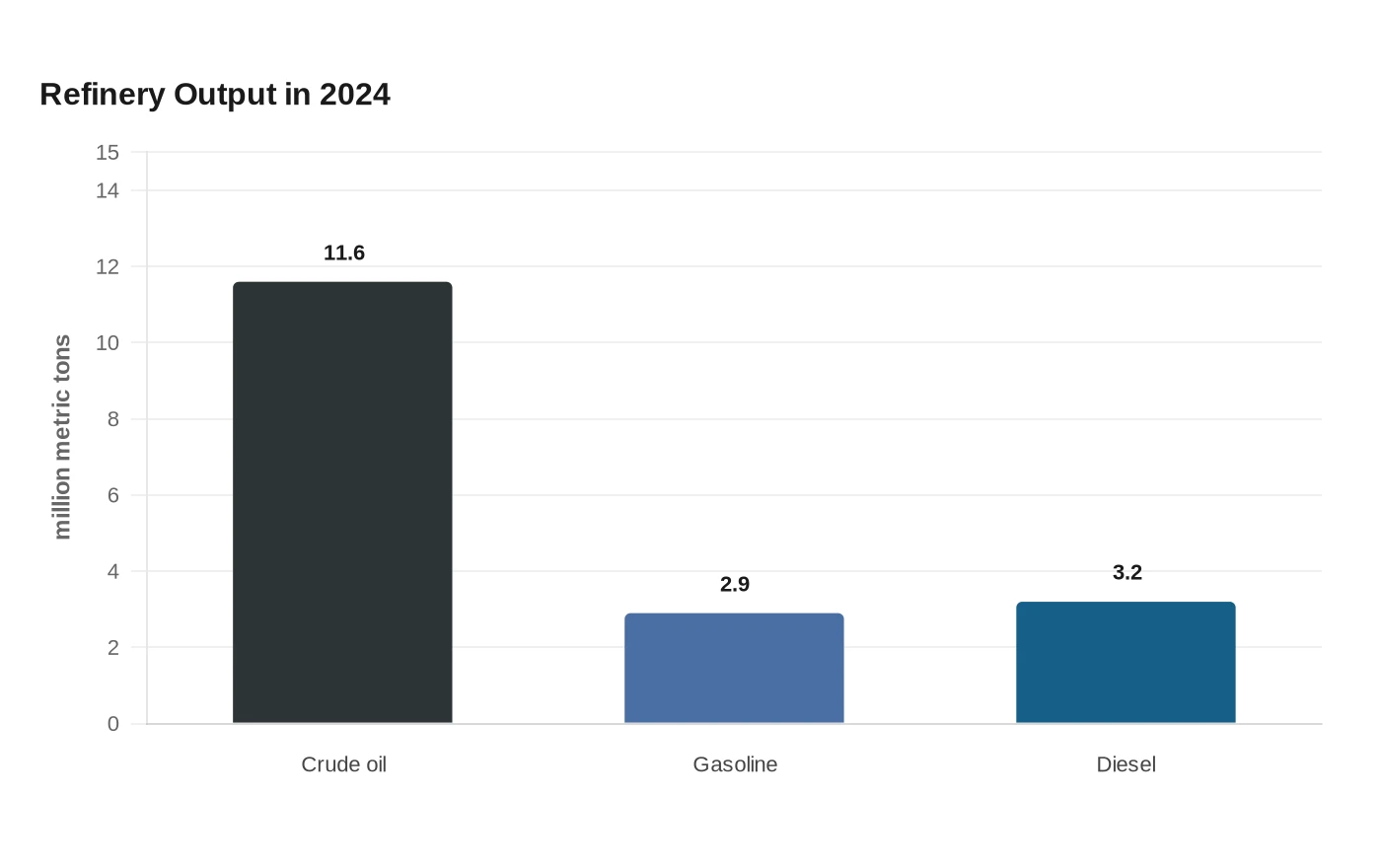
That timing matters because the Moscow oil refinery processed 11.6 million metric tons of crude oil in 2024, producing 2.9 million tons of gasoline and 3.2 million tons of diesel. With so much output tied to one site, a prolonged shutdown can tighten fuel availability in and around the capital, force more product to be rerouted from farther away and add strain to already sensitive transport and industrial supply chains.
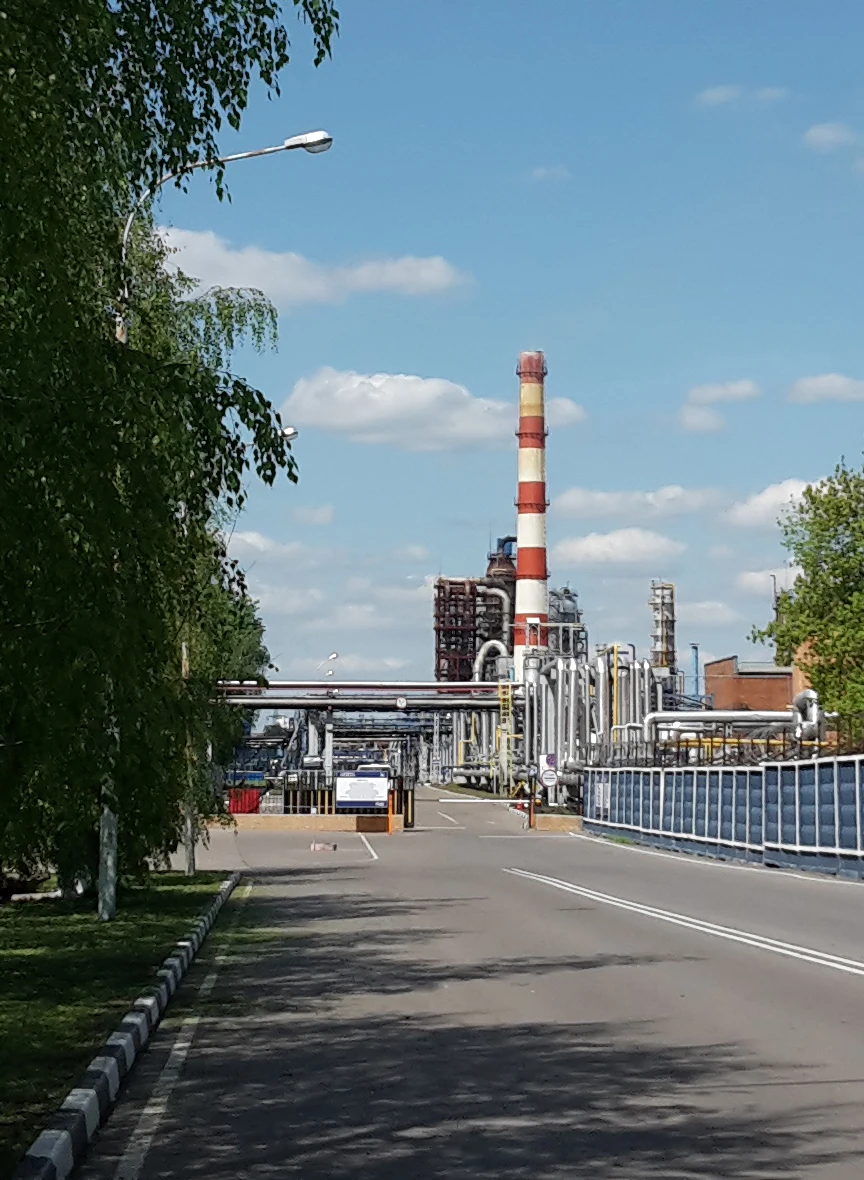
The broader risk is not just technical, but economic. A refinery of this size is central to local fuel balance, and a lengthy outage can ripple into retail prices, logistics costs and distribution planning for agriculture and freight. Diesel shortages would be particularly awkward for a system that depends heavily on road transport and on uninterrupted movement of goods into Moscow, where demand is concentrated and alternatives are limited.
The refinery has been targeted multiple times during the war, underscoring how Ukraine’s drone campaign has moved beyond symbolic damage and into the mechanics of Russia’s war economy. By striking assets that are difficult to replace quickly and expensive to repair, Ukraine is pressuring a part of the Russian system that sits far from the front line but remains vital to Moscow’s resilience.
Sources
- [1]yahoo.com
- [2]usnews.com
- [3]meduza.io
- [4]themoscowtimes.com