World
Ukrainian drones hit Russian oil sites, deepening fuel shortages
Ukrainian drones struck oil infrastructure across Russia on Thursday, setting two tankers ablaze in the Sea of Azov and igniting fires at depots and pumping stations from the western city of Tver to Stavropol in the south and Ufa farther east. The overnight attacks widened a campaign that is pushing deep into Russia’s energy network and forcing Moscow to defend facilities far from the front.
In Tver, acting governor Vitaly Korolyov said a drone strike triggered a fire at an oil depot. In Stavropol, Gov. Vladimir Vladimirov said oil reservoirs were set ablaze and residents of several apartment buildings near the site were evacuated as the fire spread. In the Sea of Azov, Rostov Gov. Yuri Slusar said one tanker was still burning while crews were evacuated. Russia’s Defense Ministry said air defenses shot down 73 Ukrainian drones overnight.
Volodymyr Zelenskyy framed the strikes as part of what he called Ukraine’s “long-range sanctions,” arguing that Russia should feel the war at home if it refuses to end its invasion. He said Ukrainian forces also hit a reserve fuel storage site about 800 kilometers from the front line, an oil-pumping station in Ufa nearly 1,500 kilometers from Ukraine’s border, and an oil-loading terminal in the Rostov region. The breadth of those targets shows a deliberate effort to raise the cost of Russia’s energy logistics, not just to damage isolated facilities.
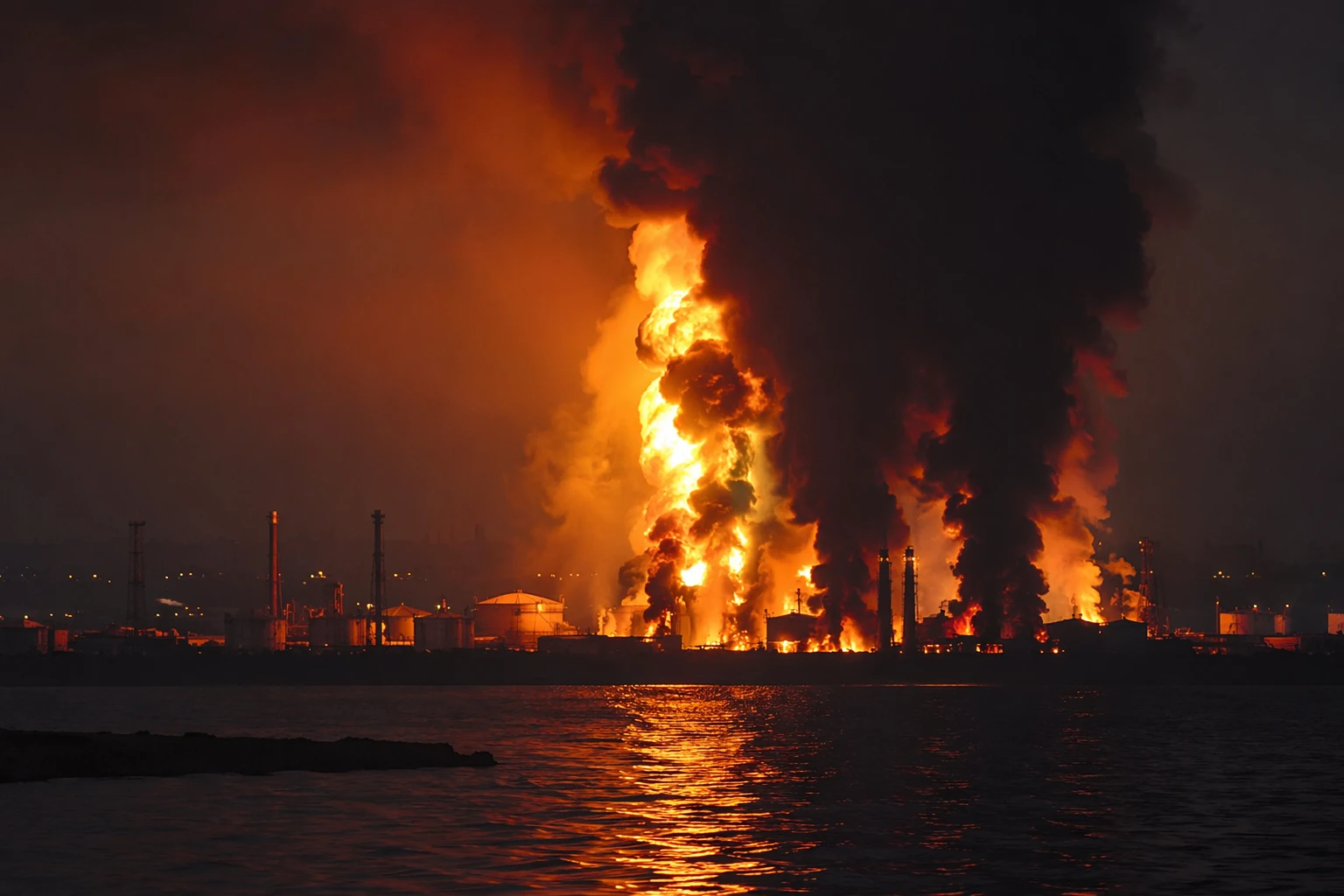
The attacks come as Ukraine has stepped up pressure on Russia’s oil system. An Associated Press count has recorded more than 50 Ukrainian strikes on refineries, depots, terminals and other energy infrastructure in Russia and occupied Crimea since late March. Some sites have been hit repeatedly, including Tuapse, where the refinery was struck four times in just over two weeks. That pattern points to a broader campaign aimed at disrupting export capacity, fuel flows and the industrial base that keeps Russia’s war machine moving.
The pressure is already visible inside Russia. Fuel shortages, rationing and hourslong lines at gas stations have spread across multiple regions, and Vladimir Putin publicly acknowledged a “certain deficit” of fuel on June 28. He later said the Kremlin was weighing a temporary ban on diesel exports to stabilize domestic supply and vowed to strengthen protection of oil facilities and boost fuel output.

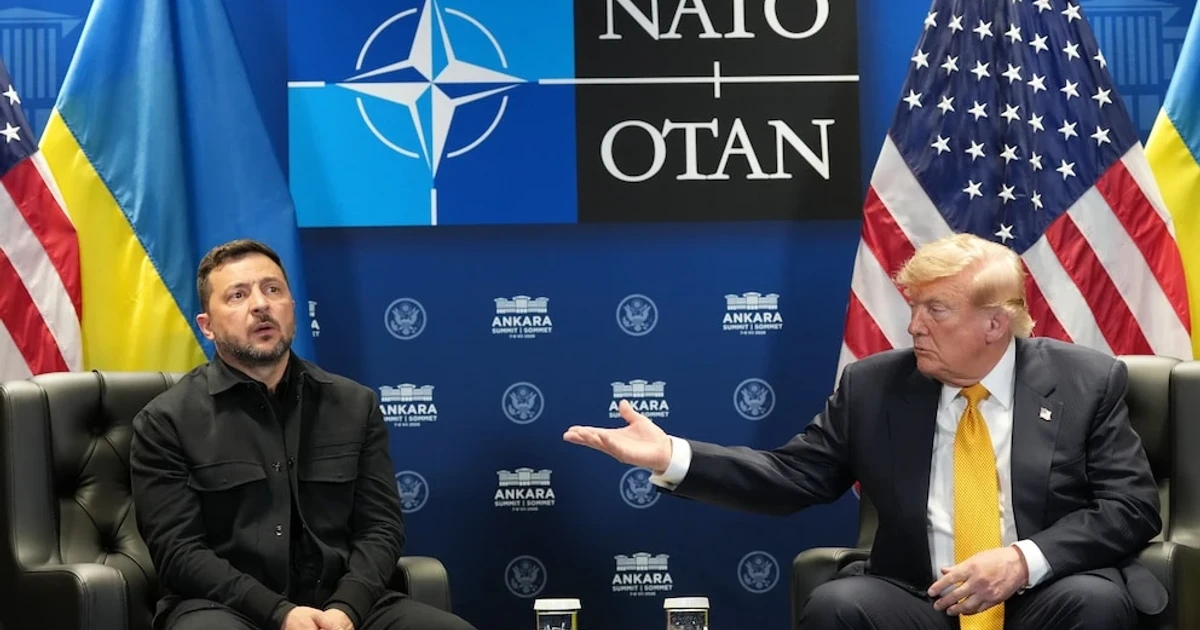
The strike campaign is unfolding alongside a new military-policy backdrop from Washington. Donald Trump said on July 8 that the United States would grant Ukraine a license to manufacture Patriot air-defense systems and interceptors, a move that could help Kyiv protect its own cities and infrastructure while it keeps pressing Russia’s energy network deeper behind the lines.
Sources
- [1]www-cdn.abcnews.com
- [2]abcnews.com
- [3]politico.com