World
Ukrainian Drones Strike St Petersburg Oil Facility Ahead of Economic Forum
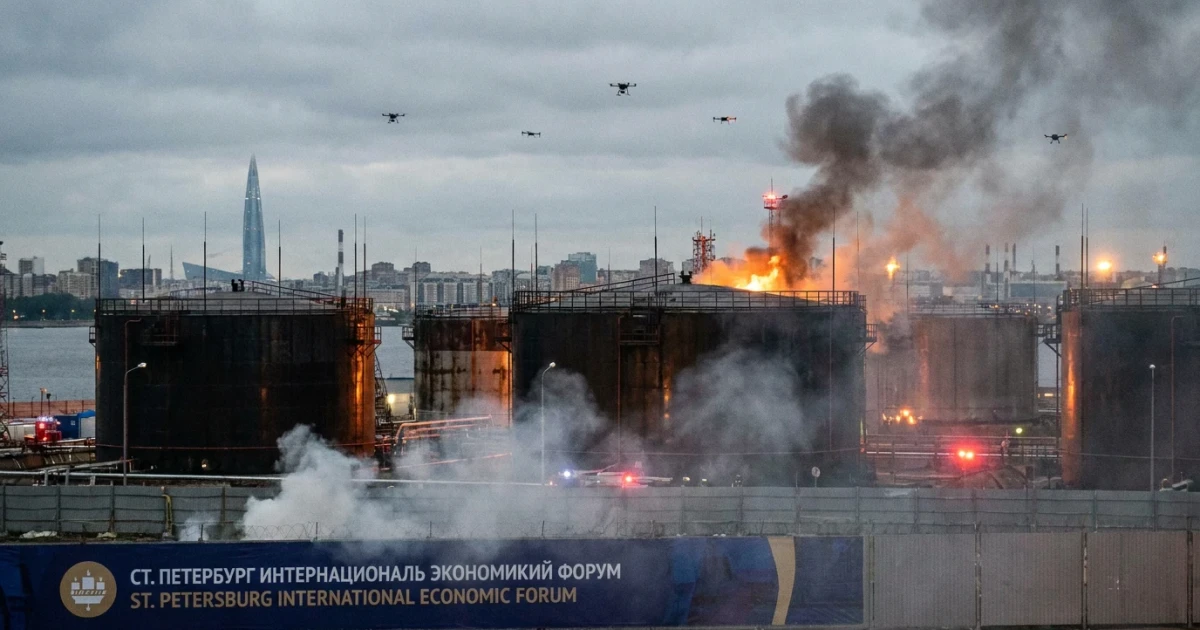
Ukrainian drones struck an oil terminal in St Petersburg on Monday, marking a significant escalation in the ongoing conflict and coinciding with the start of Russia’s high-profile economic forum in the city.
Attack Coincides With Major Russian Event
The drone strike, reported by AP News, targeted a key oil facility in St Petersburg hours before the opening of the St. Petersburg International Economic Forum (SPIEF), an event that draws government officials, business leaders, and investors from around the globe. The timing underscores Ukraine’s resolve to disrupt Russian economic and strategic assets far from the front lines.
Details of the Strike
While Russian authorities did not immediately disclose the full extent of the damage, AP News noted the attack occurred at an oil terminal that plays a crucial role in both domestic supply and export logistics. St Petersburg’s oil infrastructure is a vital part of Russia’s energy sector, with several major Transneft terminals in the region facilitating the movement of crude and refined products to international markets.
- St Petersburg is Russia’s second-largest city and a strategic energy hub
- The city’s oil terminals handle a significant share of Russian oil exports via the Baltic Sea
Escalation of Ukrainian Drone Campaign
The strike in St Petersburg represents one of the northernmost attacks attributed to Ukraine since the start of the war. Ukrainian drone operations have steadily expanded in range and sophistication, increasingly targeting Russian energy infrastructure deep inside the country. According to recent research by the OSW think tank, such attacks aim to disrupt logistics, reduce Russian export revenues, and send a message about Ukraine’s reach.
- Previous drone strikes have hit oil refineries and fuel depots in Russia’s border regions and as far east as Tatarstan
- The St Petersburg attack demonstrates Ukraine’s ability to threaten assets in Russia’s core economic centers
Potential Impact on Energy Exports and Forum Proceedings
St Petersburg’s oil terminals are integral to Russia’s ability to move energy products to Europe and beyond. The International Energy Agency notes that the Baltic Sea route accounts for a large portion of Russia’s seaborne oil exports. Any disruption to these facilities could have ripple effects on supply chains and global markets, although the immediate operational impact of Monday’s strike remains unclear.
The attack’s timing, just as the SPIEF was set to begin, is likely to heighten security concerns among forum participants. The event, held annually, has served as a showcase for Russian economic policy and international partnerships, even as Western sanctions and the war in Ukraine have isolated Moscow from much of the global financial system.
Broader Context: Conflict Moves Deeper Into Russia
This latest strike underscores a pattern of Ukrainian operations targeting critical infrastructure far from the active front. Data from the ACLED Conflict Event Data Dashboard shows an uptick in drone and sabotage attacks within Russia’s borders in recent months, reflecting Kyiv’s evolving strategy and the limits of Russian air defense coverage.
As the war drags on, such incidents could further complicate Russia’s efforts to present a picture of stability and attract foreign investment. The coming days will reveal how authorities respond to the strike and whether additional security measures are implemented for SPIEF attendees.
With high-profile gatherings like the St. Petersburg forum underway, the ability of Ukrainian forces to reach deep into Russian territory sends a clear message to both domestic and international audiences: the conflict shows no signs of abating, and the risks to Russia’s core infrastructure are growing.