World
Ukrainian strike on Russian oil hub kills 13 in Tatarstan
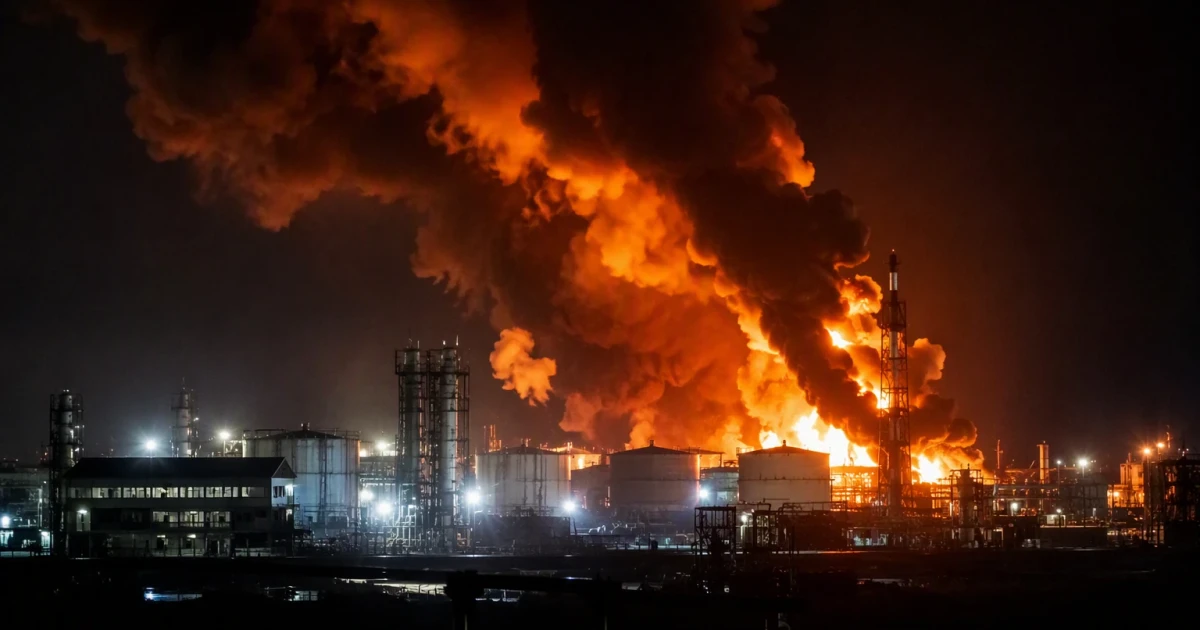
Ukraine struck the petroleum hub of Nizhnekamsk in Russia’s Tatarstan region, killing 13 people and injuring dozens in one of the deadliest attacks inside Russia in the four-year war. Local authorities said the attack hit the Taneco oil refinery on Aug. 10, and Tatarstan authorities declared a day of mourning after the deaths.
The toll showed how far the conflict has pushed into Russia’s energy network and the civilians who work around it. Reuters said 78 people were injured, while CBC News put the number of wounded at 48 and reported that one of the dead was a child. The Ukrainian military said it hit an oil refinery in Nizhnekamsk, which is about 1,200 kilometers, or 750 miles, from the Ukrainian border.
The strike landed in a region far from the front line, underscoring how refinery sites have become part of the war’s target set. NBC News reported that Ukraine has hit Russian oil facilities with long-range drones almost daily in recent months, a campaign that has caused fuel shortages, cut into refining capacity and unsettled the Russian public. Ukrainian President Volodymyr Zelenskyy said the attack aimed to force Russia to the bargaining table.
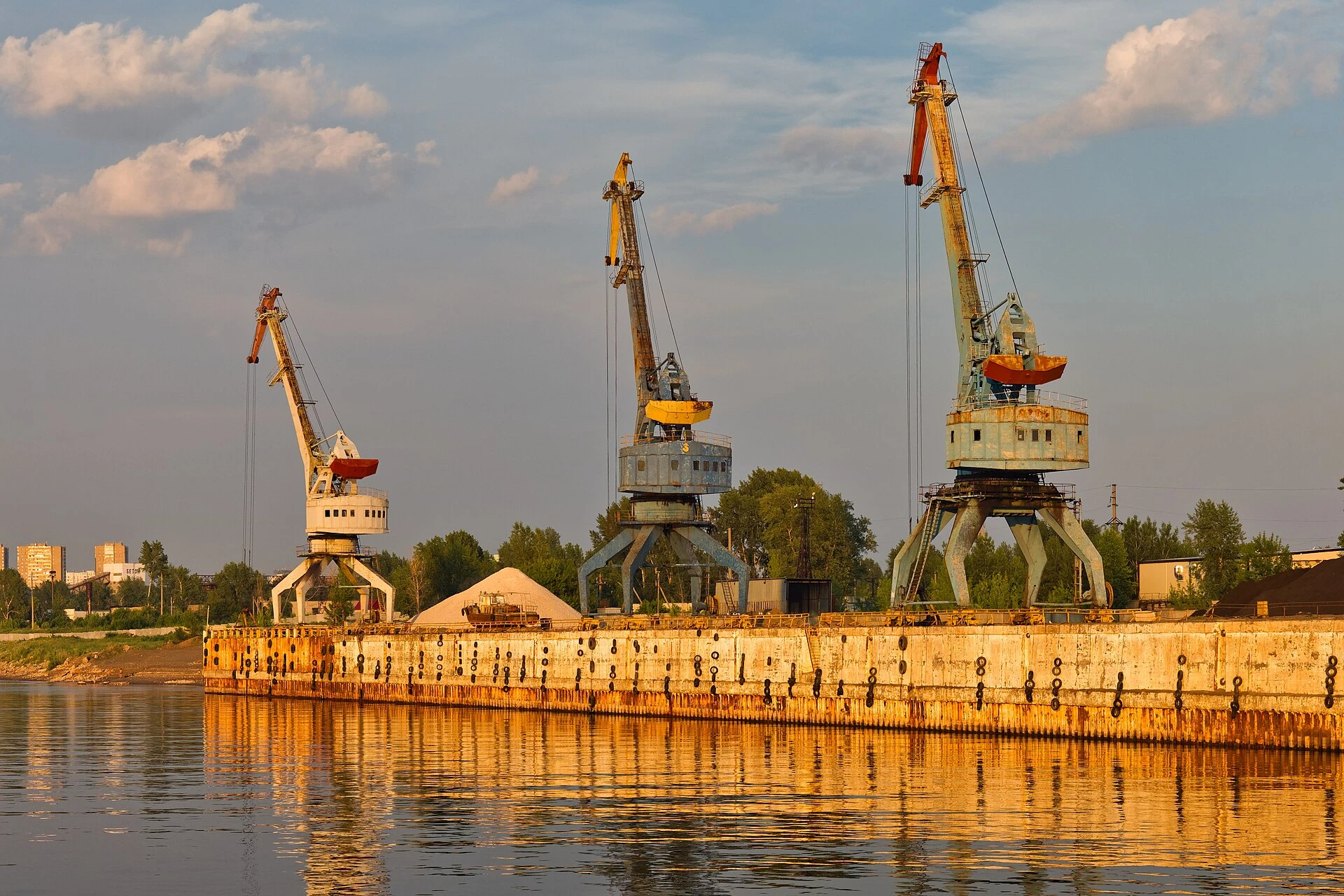
The Nizhnekamsk strike fits a broader pattern of attacks on fuel and logistics infrastructure. In November 2025, a Reuters report said Ukrainian attacks halted oil exports from Russia’s Novorossiysk port and affected about 2% of global supply, a reminder that damage to Russian energy sites can ripple beyond the battlefield. Recent strikes have also hit facilities in Russia’s Krasnodar region, the port of Temryuk, Primorsk and warehouses used by the Russian e-commerce giant Wildberries.
The civilian toll has risen alongside the energy war. France 24 reported on July 21 that the United Nations said the first six months of 2026 brought a steep rise in civilian casualties and that both sides had increased air strikes on vital infrastructure. In that context, the attack on Nizhnekamsk carried two messages at once: Russia’s fuel system remains vulnerable, and the cost of that vulnerability is being paid by workers, commuters and families far from the front.
Sources
- [1]apnews.com
- [2]pbs.org
- [3]aljazeera.com
- [4]reuters.com
- [5]cbc.ca
- [6]nbcnews.com
- [7]dw.com
- [8]cnbc.com
- [9]themoscowtimes.com
- [10]france24.com