World
UN agencies seek $202 million to protect 8.8 million from El Niño

A $202 million appeal is being pitched as a way to protect 8.8 million people in 22 countries before El Niño turns a climate warning into a food crisis. The idea is simple: spend now on prevention, and avoid far larger losses later in crops, livestock, water systems and emergency relief.
The Food and Agriculture Organization of the United Nations and the World Food Programme launched their first-ever Joint Anticipatory Action Appeal on June 18, 2026, covering June 2026 through March 2027. FAO and WFP said they are already positioned to support 1.2 million people, and that an additional $167 million would expand help to 7.6 million more. Their case rests on a blunt calculation, that every $1 invested in anticipatory action can generate up to $7 in avoided humanitarian losses.
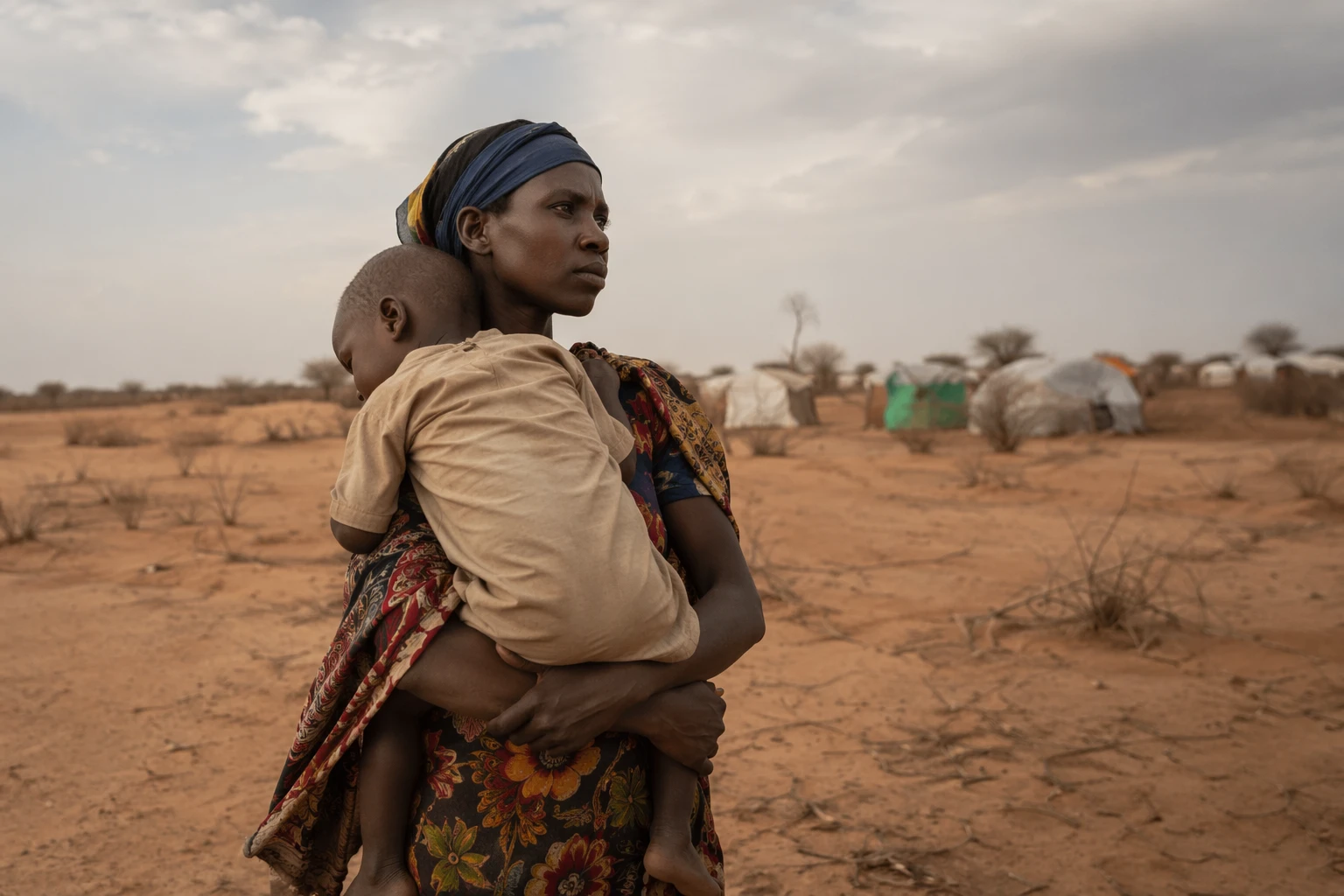
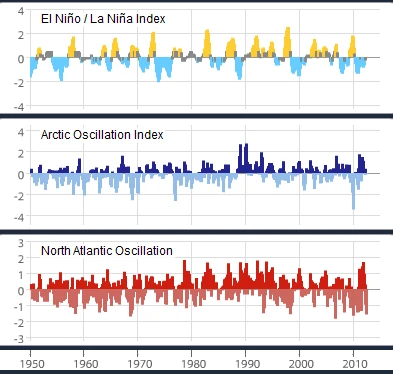
The appeal names Cameroon, Ethiopia, Kenya, Madagascar, Malawi, Mozambique, Nigeria, Somalia, South Sudan, Sudan, Uganda and Zimbabwe in Africa; Afghanistan, Pakistan, the Philippines and Timor-Leste in Asia and the Pacific; and Colombia, El Salvador, Guatemala, Haiti, Honduras and Venezuela in Latin America and the Caribbean. FAO and WFP said strong El Niño conditions are developing and are expected to intensify drought, flood and storm risks across Africa, Asia, the Pacific, Latin America and the Caribbean. They also warned that a positive Indian Ocean Dipole could deepen drought in parts of Asia, the Pacific and Southern Africa while raising flood risk in the Horn of Africa.
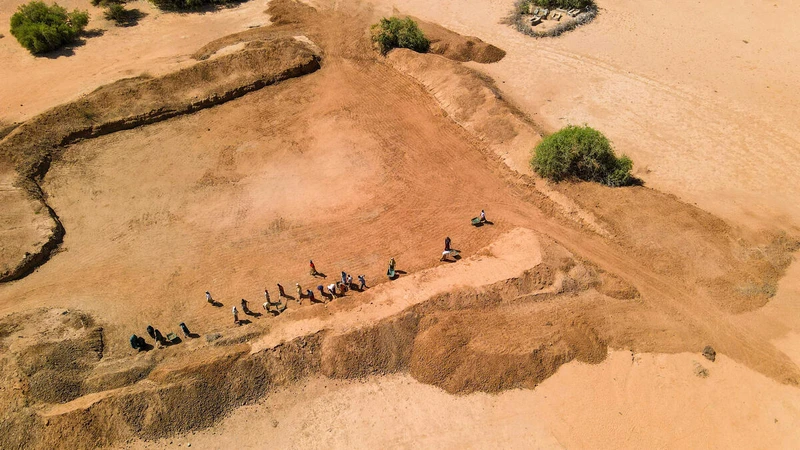
The pressure point is not weather alone, but where weather hits hardest. Rural households, low-income communities, and places already strained by malnutrition or fragile food supplies are the most exposed to crop failure, pasture loss and displacement. FAO’s May 21 seasonal precipitation outlook said the transition into El Niño conditions was progressing as expected and could become one of the strongest on record, with some agricultural and pasture areas in the Sahel, Southern Africa, South and Southeast Asia, and Central America’s Dry Corridor and the Caribbean facing more than a 50 percent chance of drought in the coming months.
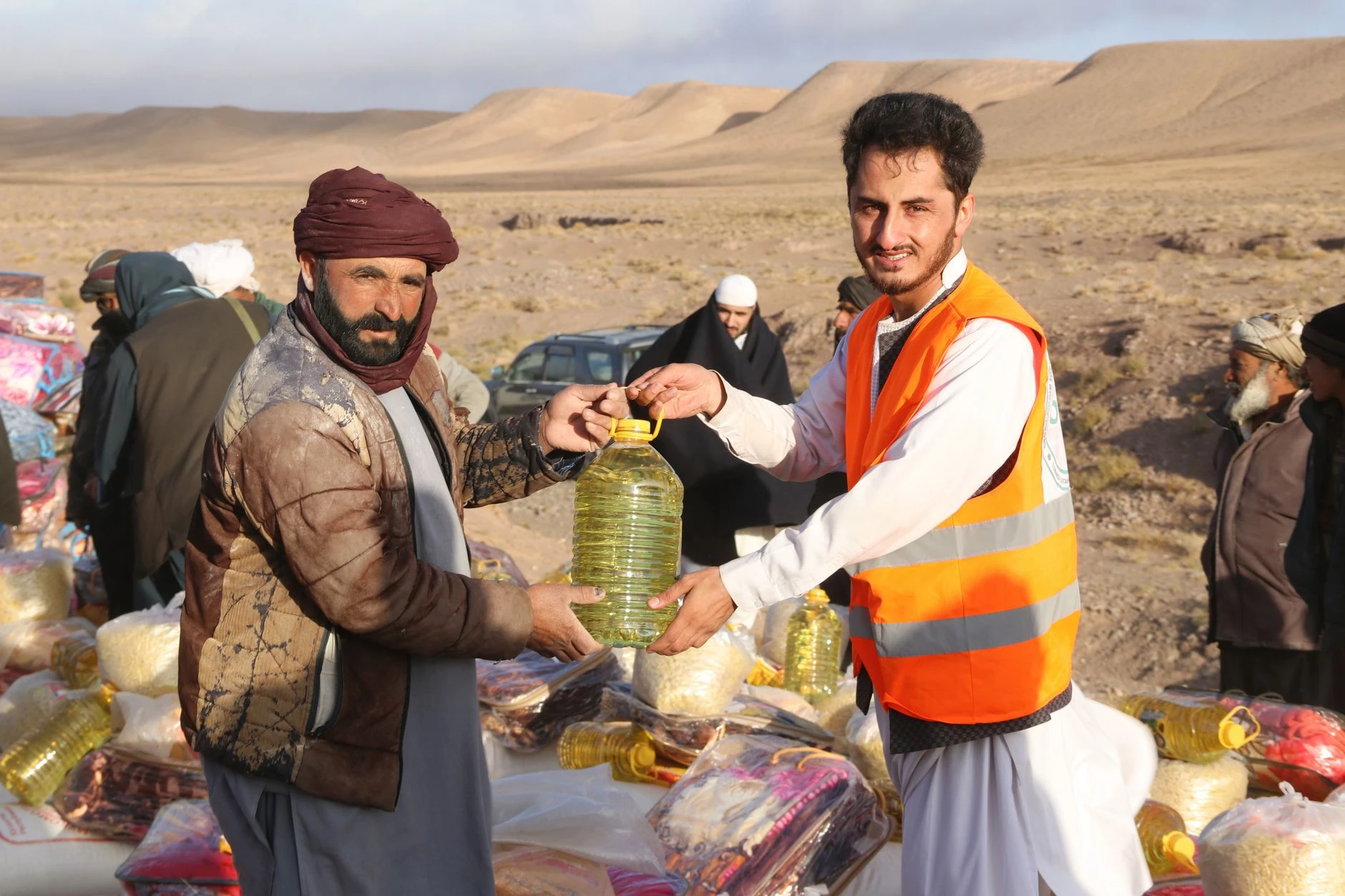
The package is built around early actions that can still change the outcome: cash transfers, drought-tolerant or flood-resistant seeds, livestock support, flood defenses and water-storage systems. That approach reflects a wider food-security emergency already under way. The 2026 Global Report on Food Crises said acute hunger has doubled over the past decade and that two famines were declared last year for the first time in the report’s history. WFP said its broader anticipatory action work protected more than 6 million people in 2024. In Latin America and the Caribbean alone, FAO, IFAD and WFP say more than 33 million people face hunger, 167 million suffer moderate or severe food insecurity, and more than 181 million cannot afford a healthy diet.
Sources
- [1]usnews.com
- [2]wfp.org
- [3]openknowledge.fao.org
- [4]fao.org