Technology
UN approves first global rules for fully autonomous driving
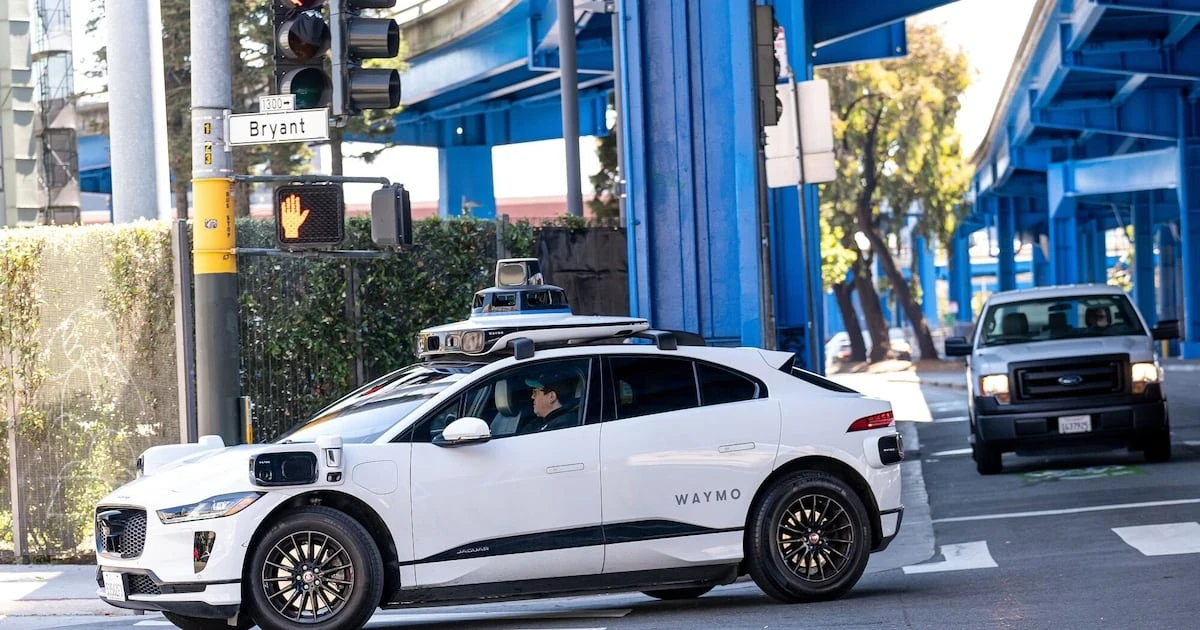
The United Nations Economic Commission for Europe adopted the first global framework that legally enables fully autonomous driving systems on June 24, giving regulators and automakers a shared template for driverless vehicles across major markets. The rules are backed by the United States, China, the European Union, Japan, Canada and the United Kingdom, and they are set to enter into force in about a month.
The new framework goes beyond a simple approval test. It requires a Safety Management System, credible testing, structured safety-case validation, continuous in-service monitoring and a Data Storage System for Automated Driving, or DSSAD, that records safety-relevant automated-driving information. In practice, manufacturers will have to show more than a car that can drive itself on a closed course or a polished demo route. They will have to document that the system can be audited over time and that it poses no unreasonable risk.

The decision caps roughly a decade of work inside UNECE on automated driving. It builds on UN Regulation No. 157 on Automated Lane Keeping Systems, which was adopted in 2021 as an early international milestone for Level 3 automation. UNECE later amended that rule in January 2023 to extend automated lane-keeping capability, including operation up to 130 km/h on motorways and lane changes under certain conditions. The latest draft was adopted by the agency’s Working Party on Automated/Autonomous and Connected Vehicles, known as GRVA, in January 2026 before going to WP.29 for final approval in Geneva.
The United States Department of Transportation published a Request for Comment on the draft on January 23, 2026, and Chinese regulators indicated they would draft a national standard following the structure of the global regulation. That makes the new framework more than a technical milestone: it is an effort to avoid a fragmented patchwork of national rules that could force automakers to duplicate compliance work in each market.
Even with the new rulebook in place, the hardest questions remain unresolved. Liability in crashes, the depth of safety verification, cybersecurity oversight and whether U.S. policy will move in lockstep with the international framework will shape how quickly fully driverless systems reach public roads. The regulation gives the industry a clearer path forward, but it also puts governments on record that deployment must be measured, auditable and built on a common safety methodology before autonomous vehicles are treated as routine transportation.
Sources
- [1]unece.org
- [2]tuvsud.com
- [3]sidley.com
- [4]connectedautomateddriving.eu