World
UN deploys 44 rescue teams as Venezuela quake toll tops 900
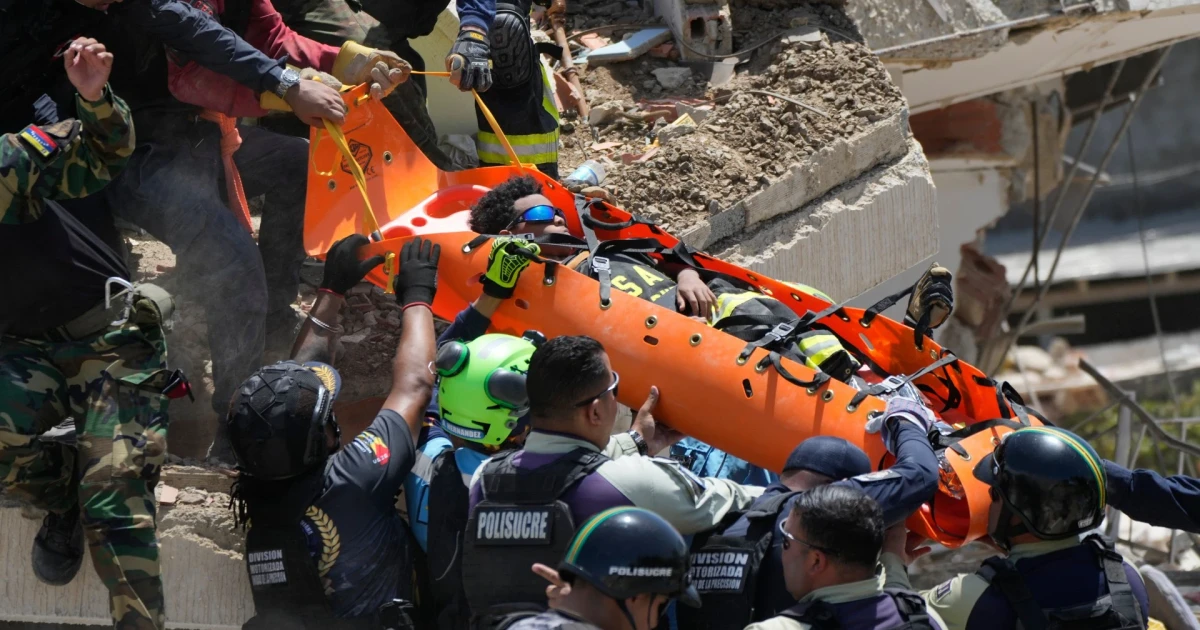
Specially trained search dogs have become the first instrument into the wreckage in Venezuela, sorting live bodies from dead ends and showing clearance crews where to dig before time runs out. That work has taken on urgent weight after twin earthquakes struck on June 24, 2026, leaving collapsed buildings in Caracas and La Guaira, more than 900 people dead, and many others trapped or missing.
The United Nations said 44 international urban search-and-rescue teams had deployed 2,245 specialists and 140 search dogs to help extract possible survivors from damaged structures and deliver initial medical care. The dogs are central to the response chain because they can detect human scent beneath mounds of concrete and twisted steel, narrowing the search zone for rescuers trying to move fast through unstable debris. Officials and rescue leaders have warned that the critical 72-hour survival window is closing, even as aftershocks and broken roads slow access to the worst-hit areas.
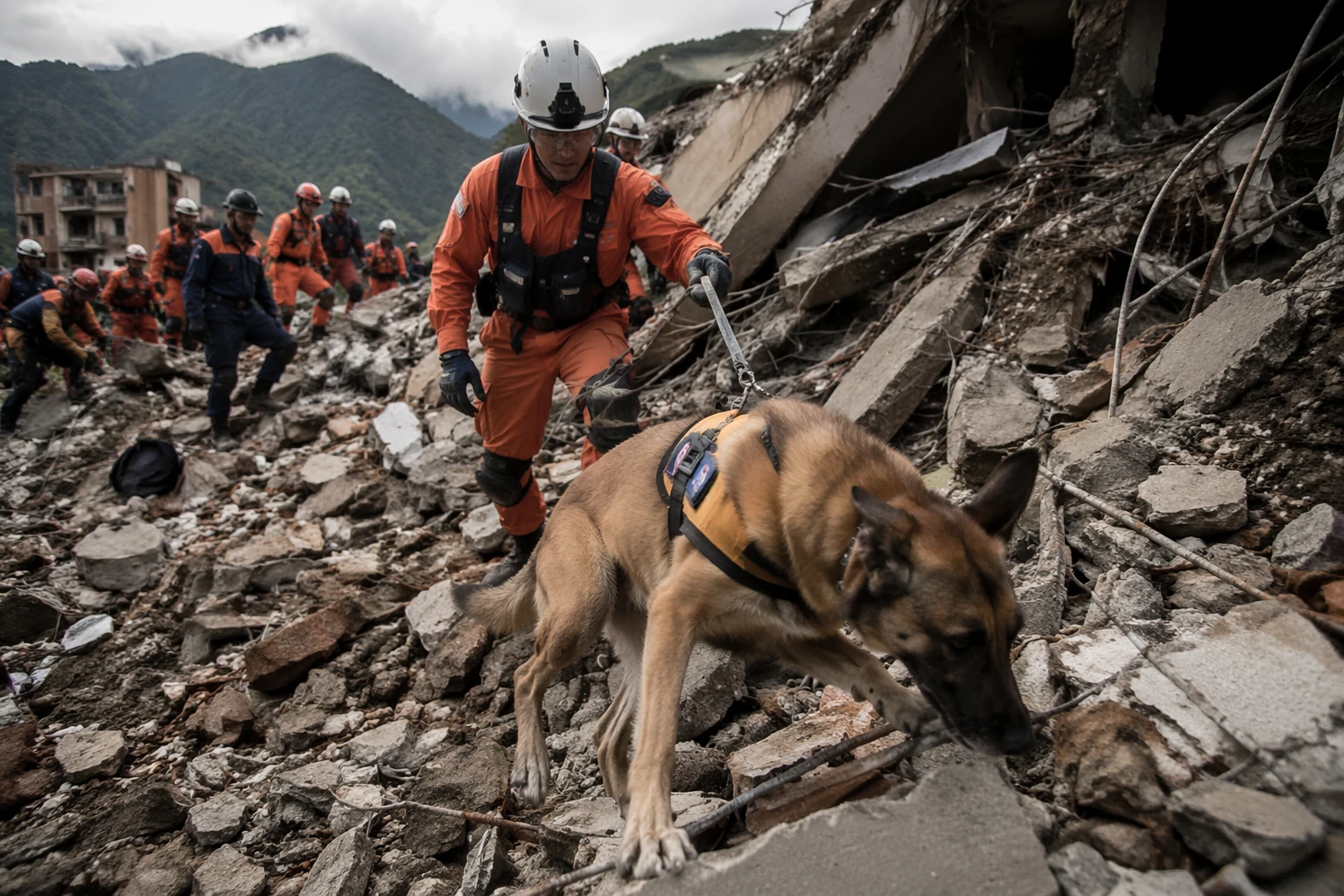
The Netherlands sent its own Urban Search and Rescue team to Venezuela, with 65 specialists and eight search dogs, adding another layer to the international operation. The U.S. State Department said it deployed a Disaster Assistance Response Team with more than 250 people, including three specialized urban search-and-rescue teams. The scale of the response underscores how quickly Venezuela’s own emergency system has been stretched by the earthquakes and the pace of destruction they left behind.
Search dogs have already delivered at least one stark success. A dog named Tsunami helped save a man who was trapped under rubble in Caracas, one of the isolated live rescues that have kept crews pressing into compromised buildings despite the risk of additional collapse. Those rescues remain the exception rather than the rule as teams work through damaged neighborhoods, racing the hours when survivors are most likely to be found.
The growing international deployment also reflects the limits of Venezuela’s emergency capacity under extreme pressure. Firefighters, urban search teams and medical responders have been forced to operate in a landscape shaped by collapsed structures, crowded hospitals and disrupted infrastructure, while the UN-led effort keeps adding personnel and dogs to cover more ground. With fatalities rising and dozens of teams already committed, the next phase of the response depends on whether rescuers can keep finding pockets of life before the rubble goes silent.
Sources
- [1]nytimes.com
- [2]news.un.org
- [3]nltimes.nl
- [4]state.gov
- [5]abc.net.au
- [6]news.sky.com