World
UN officials warn West not to abandon Afghanistan amid deepening crises
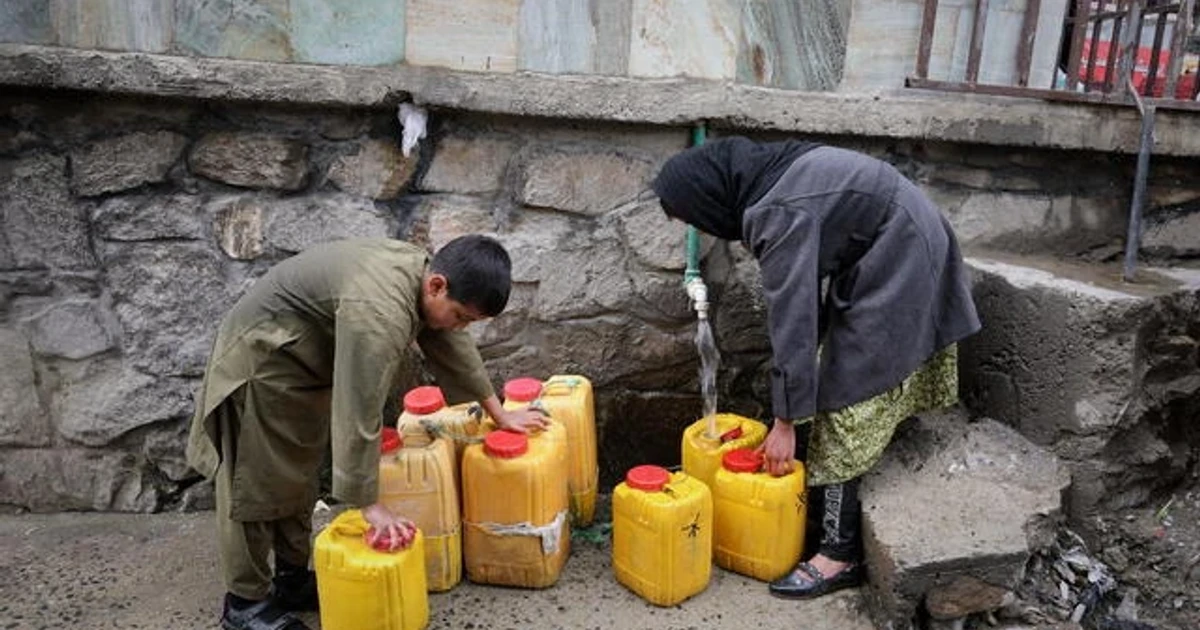
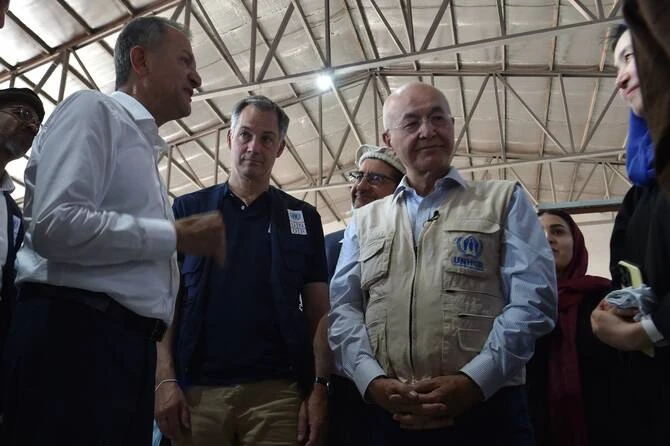
Senior United Nations officials Barham Salih and Alexander De Croo used a visit to Afghanistan to press Western governments to stay engaged as the country absorbs one shock after another. The bigger risk is not political discomfort in foreign capitals but renewed instability inside Afghanistan, where humanitarian collapse, migration pressure, crime, extremism and drug trafficking can spill across borders if the country is left isolated.
UNDP put the number of Afghans unable to meet their most basic needs in 2025 at three in four, about 28 million people, in May 2026, even as the economy grew by just 1.9 percent, below rapid population growth. UNHCR warned Afghanistan enters 2026 facing a convergence of crises that threaten fragile stability, from poverty and climate stress to natural disasters and the return of millions of people from neighboring countries.
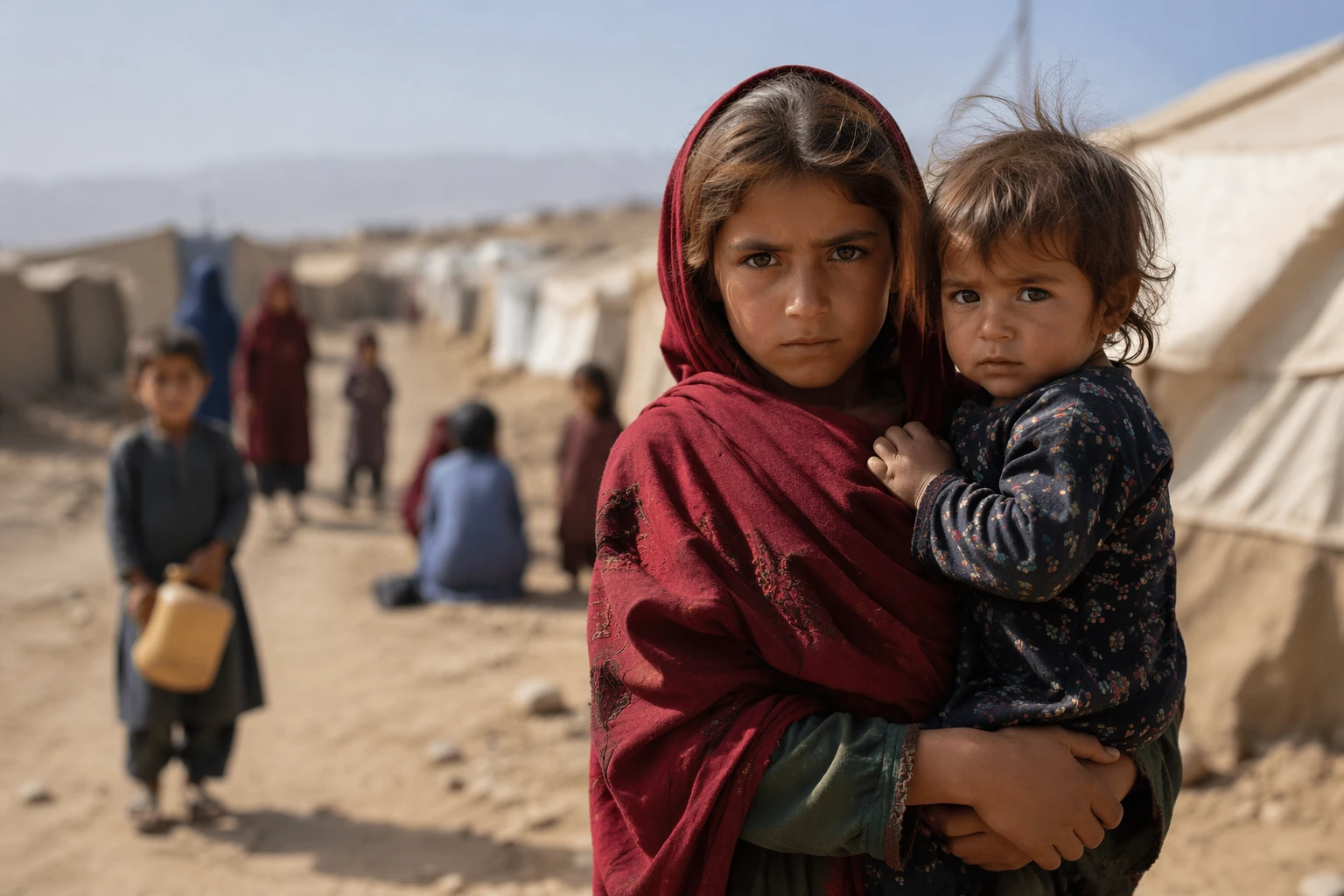
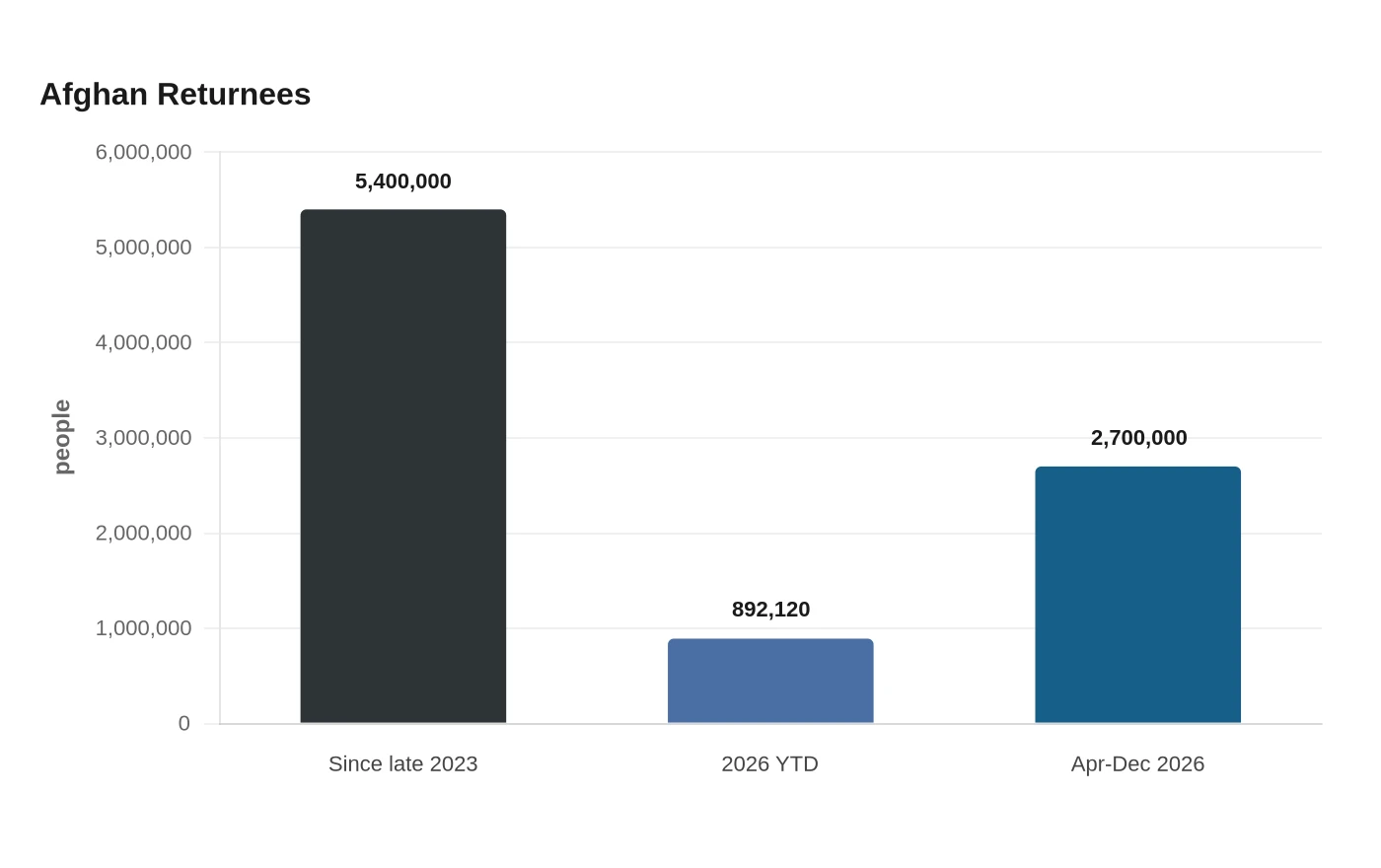
Those returns are concentrating pressure in the same districts where services are thinnest. UNHCR put the number of Afghans who had returned since late 2023 at 5.4 million, and its Afghanistan data showed 892,120 returns in 2026 as of June 27. A UN-backed response plan launched in June projected another 2.7 million Afghan returnees from Iran and Pakistan between April and December 2026. Mass and hasty returns sharply increase protection needs and raise the risk of further instability in Afghanistan and the region, including onward movement, UNHCR and IOM warned. UNDP put returnees in impoverished eastern and northern districts in May, where competition for jobs, housing and water is intensifying and local coping capacity is being pushed past its limits.
UNICEF warned in April that the country could lose more than 25,000 female teachers and health workers by 2030 because of restrictions on girls’ education and women’s employment, and said more than one million girls have been denied secondary education since the Taliban ban began in September 2021. Human Rights Watch found the Taliban maintained its ban on secondary and higher education for girls and women in 2026, while Amnesty International identifies Afghanistan as the only country in the world with such a ban. UN Women counted zero women in national or local decision-making bodies in June 2025. No Western nation has formally recognized the Taliban government since it seized Kabul on August 15, 2021.
Sources
- [1]usnews.com
- [2]unhcr.org
- [3]undp.org
- [4]data.unhcr.org
- [5]afghanistan.un.org
- [6]iom.int
- [7]news.un.org
- [8]hrw.org
- [9]amnesty.org