World
UN report says cocaine and meth trade surge worldwide
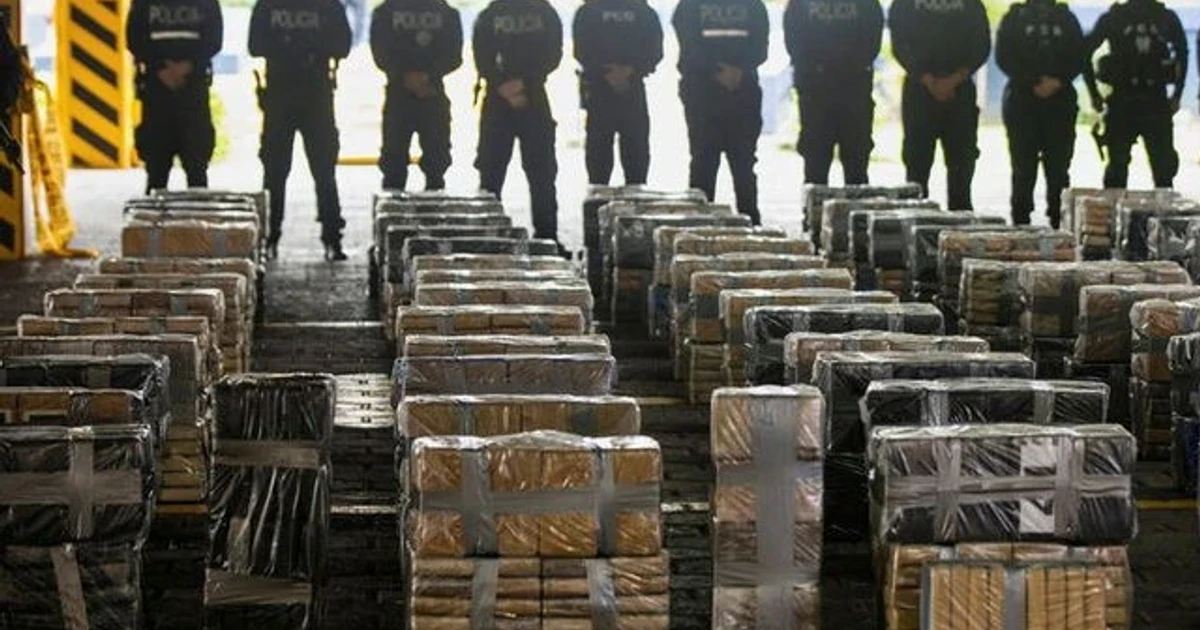
Cocaine production and methamphetamine trafficking surged to new highs in 2024, extending a global drug market that now reaches farther, moves faster and is increasingly built around synthetic substitutes. The United Nations Office on Drugs and Crime said global drug use rose to 331 million people last year, equal to 6.2% of the world’s population aged 15 to 64, while 755 new psychoactive substances were reported in drug markets, including 118 seen for the first time.
The World Drug Report 2026, released in Vienna on June 26, showed how sharply cocaine supply has expanded. UNODC estimated that cocaine output from South America grew more than fourfold since 2014 to 4,100 tons in 2024, with a range of 3,800 to 4,700 tons. South America accounted for 64% of global cocaine seizures last year, the highest share since 1984, and Colombia alone was linked to 966 tons, or 40% of the global total.
The enforcement picture is moving in the opposite direction from the scale of the trade. UNODC said cocaine seizures rose 70% between 2020 and 2024, while opiate seizures, measured in heroin equivalents, fell 65% over the same period. That shift began in 2022 after Afghanistan announced its poppy ban, with heroin and opium seizures down about 50% in weight since 2021 in Afghanistan-related reporting. In UNODC’s telling, traffickers have not disappeared from the market, they have switched products.
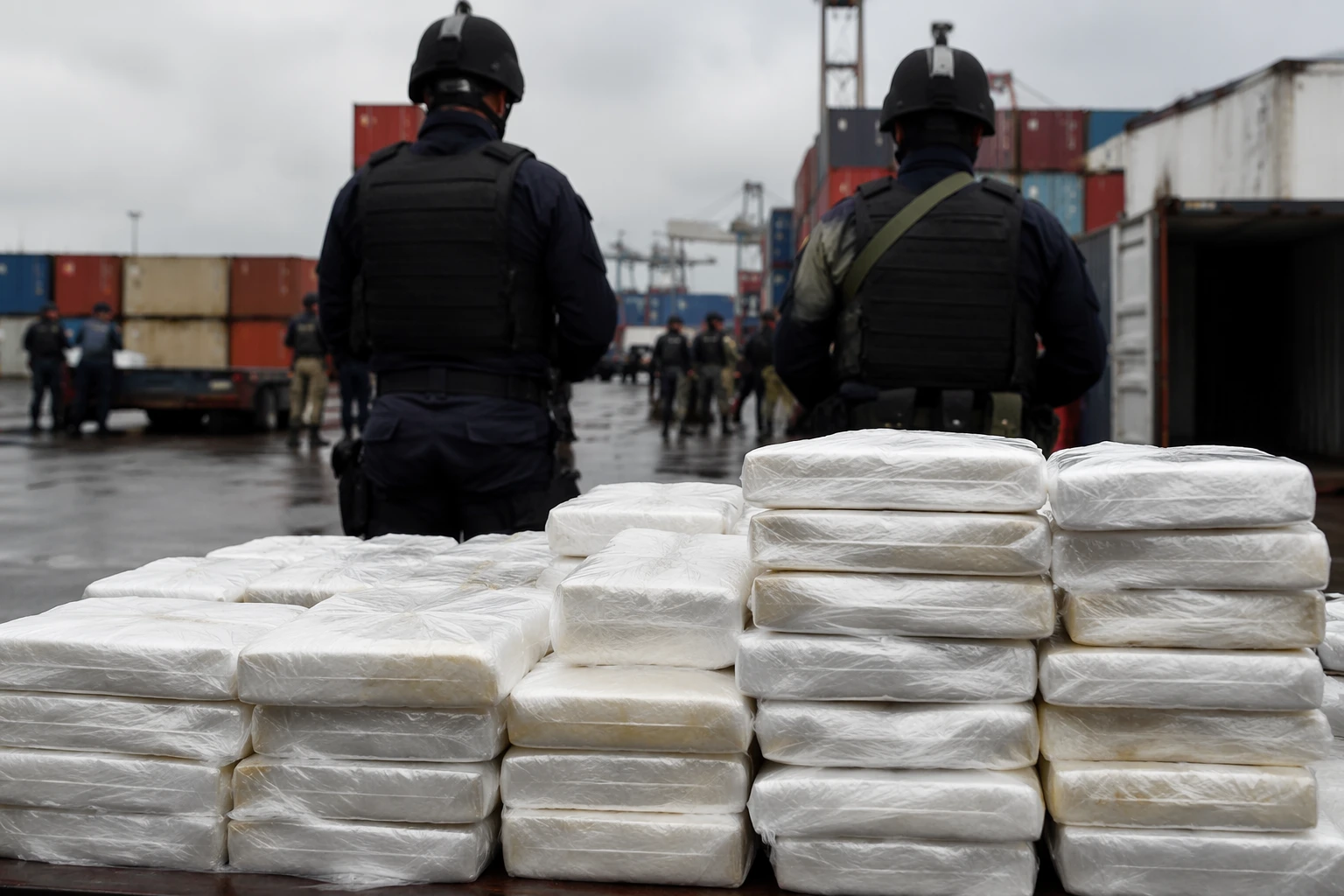
That switch has broad consequences for the United States and its allies because the trade is no longer anchored in a small number of plant-based routes. Methamphetamine seizures have grown by an average of 13% each year, and trafficking corridors are spreading across the Near and Middle East, Africa and parts of Europe. Suppliers have widened beyond Myanmar to North America, West and Southern Africa, and Southwest Asia, underscoring how synthetic-drug chains can be rerouted through multiple continents and adapted quickly when pressure builds in one region.
The opioid market is shifting too. UNODC said synthetic opioids such as fentanyls, nitazenes and orphines are becoming more visible as plant-based opiates lose ground, a change the agency warned could permanently transform the market. Opium production in Myanmar rose from 420 tons in 2021 to more than 1,000 tons in 2025, but that is still far below the more than 6,000 tons Afghanistan produced in 2022. With cannabis still the most widely used drug, followed by opioids, amphetamines, cocaine and ecstasy, the report points to a drug economy that is broader, more diverse and harder for customs officers, police and health systems to contain.
Sources
- [1]usnews.com
- [2]unodc.org
- [3]news.un.org
- [4]data.unodc.org