World
UN report says world faces $4 trillion gap to meet 2030 goals

Only 36% of the 139 Sustainable Development Goal targets with trend data are on track or making moderate progress, leaving the United Nations with a stark verdict: the 2030 agenda is running on a financing system that is still not delivering fast enough. The gap is now estimated at about $4 trillion a year, and the UN says the decisive question is who will fill it, and on what terms.
The answer is not simple aid alone. The UN is pressing for the Sevilla Commitment, together with reforms to the international financial architecture, to unlock more predictable funding for developing countries. That frame puts rich governments, multilateral lenders and private capital in the same equation, while also shifting attention to domestic resource mobilization, debt relief and the rules that determine who borrows, who lends and who pays when shocks hit.
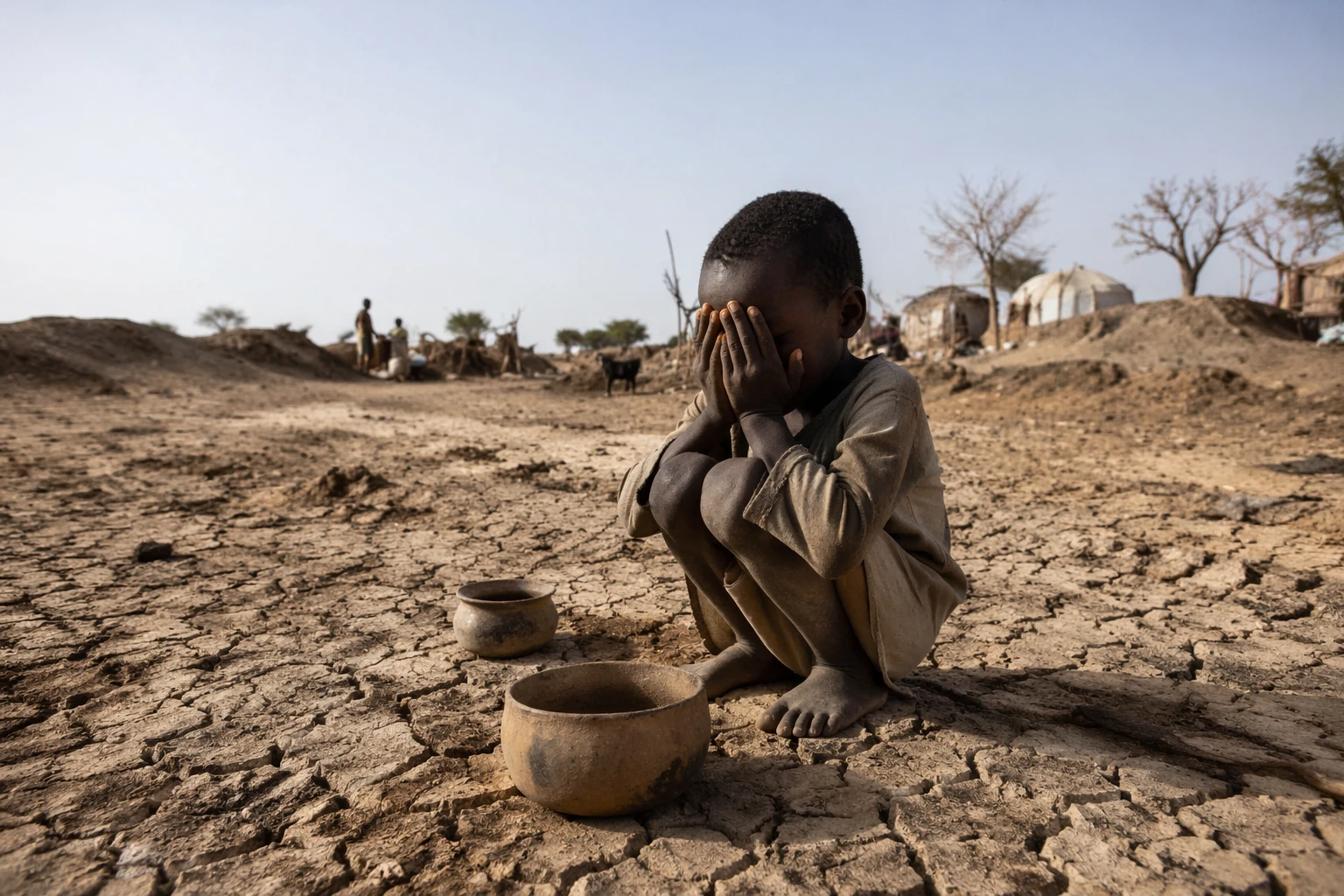
The scale of the strain is already visible. The UN Statistics Division said debt servicing costs in low- and middle-income countries reached a record $1.4 trillion, a burden that crowds out spending on schools, clinics and infrastructure. The same UN reporting says progress since 2015 has been real in education, maternal and child health, and narrowing the digital divide, but that the pace is still too slow to meet all the goals by 2030.
The risks are clearest in the areas the UN now treats as priority tests of the agenda: food systems, energy access, digital transformation, education, jobs and social protection, and climate and biodiversity. Those sectors depend on long-term capital and stable public budgets at the very moment when development assistance has weakened, borrowing costs remain high and climate shocks are becoming more destructive. The UN’s April 2026 financing report said progress has stalled or reversed after COVID-19, rising geopolitical tensions and growing climate impacts.
António Guterres has framed the moment as one of progress that is possible but insufficient, with the collapse in development assistance, rising debt burdens, conflict, slower growth and climate chaos all pushing in the wrong direction. The latest UN message is more blunt than celebratory: the issue is not just a shortage of money, but a test of whether the world can build a financing system capable of keeping the 2030 promise alive.
Sources
- [1]usnews.com
- [2]un.org
- [3]unstats.un.org
- [4]unctad.org
- [5]news.un.org