World
UN review says quiet diplomacy averts wars before they start
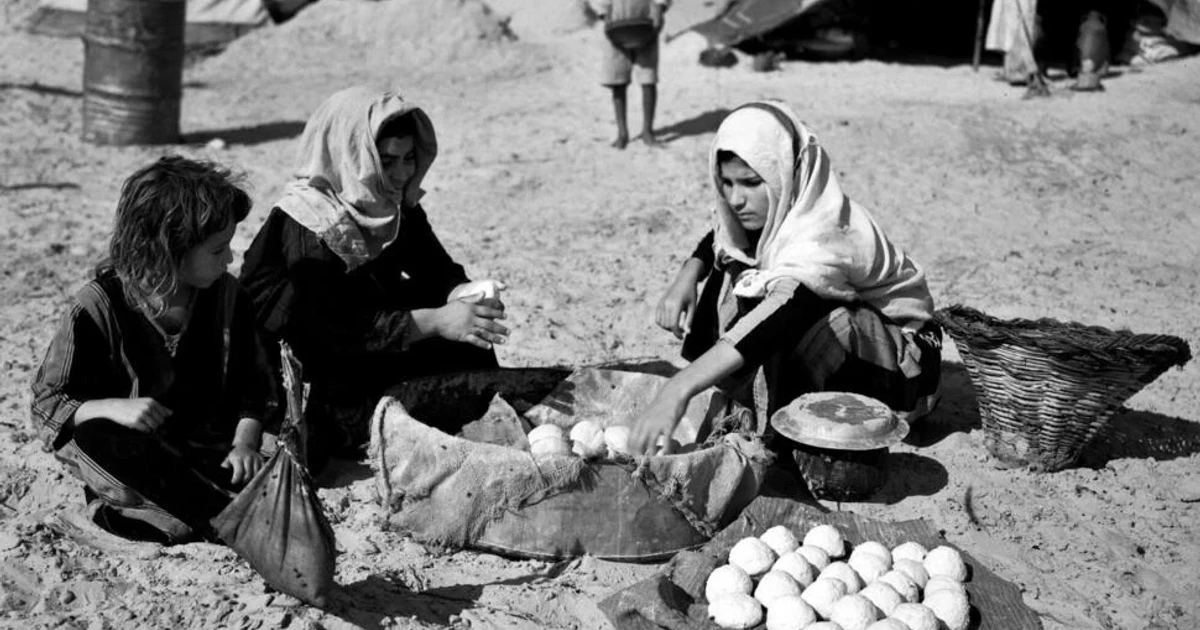
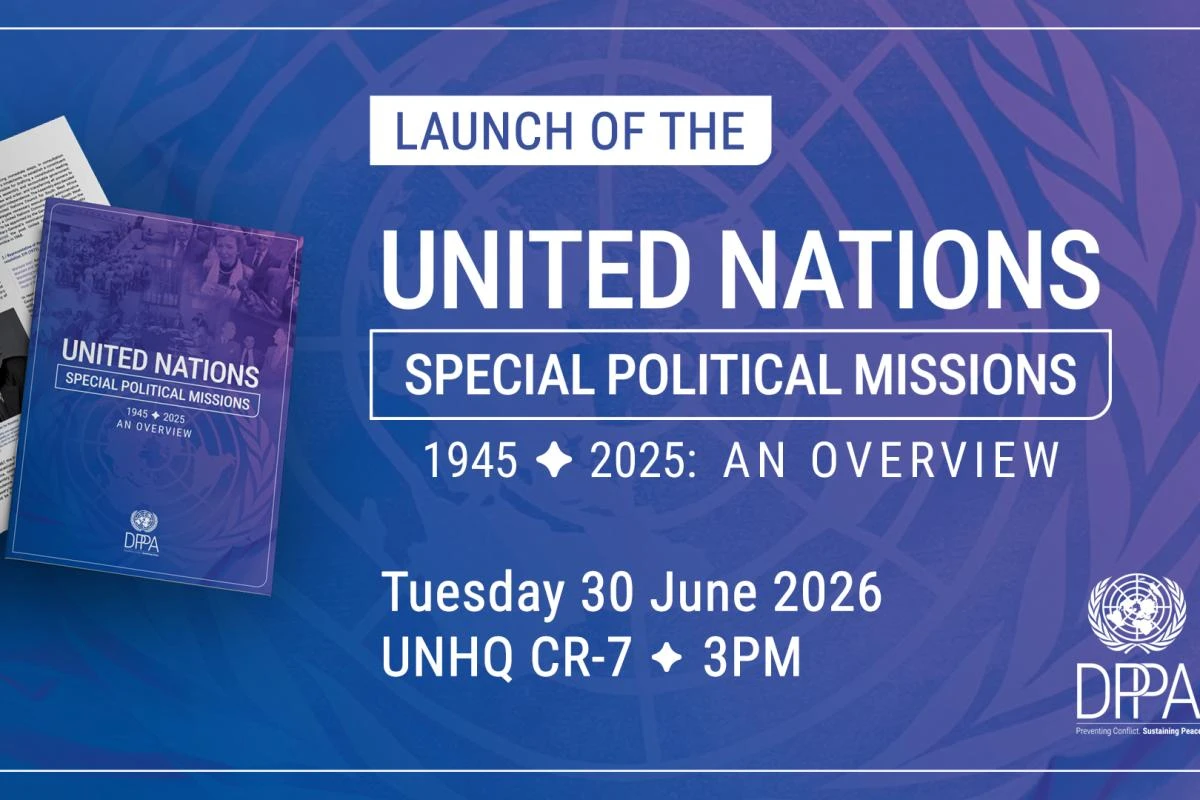
United Nations Special Political Missions 1945-2025: An Overview is the first comprehensive public record of UN special political missions, running from Folke Bernadotte’s appointment as UN Mediator in Palestine in 1948 through 31 December 2025. The United Nations is putting a name, a timeline and a public record to one of its least visible jobs: stopping crises from becoming wars. The overview argues that some of the organization’s biggest wins are the conflicts that never made headlines because diplomacy held the line first.
The quiet machinery behind prevention
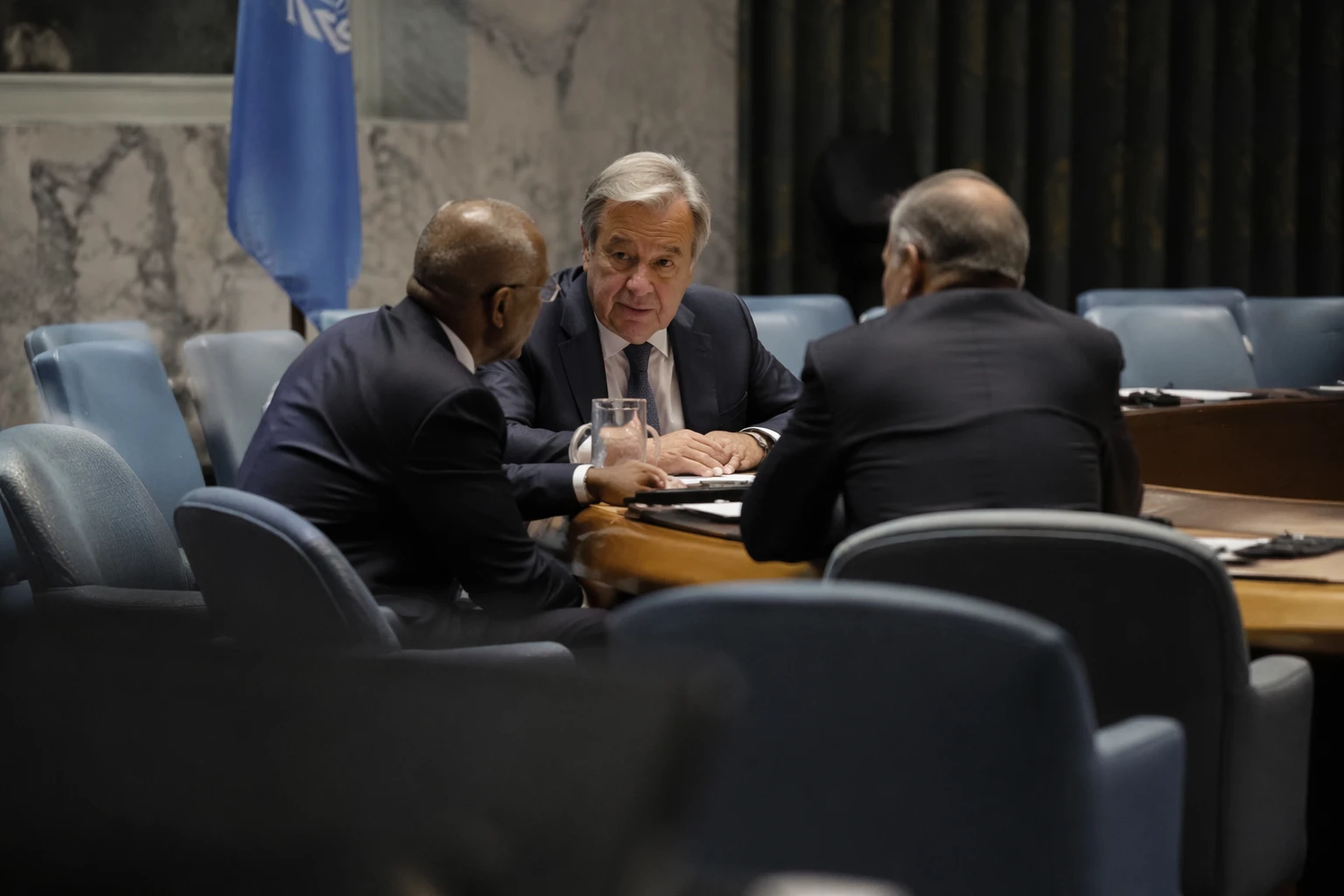
These missions do not look like peacekeeping. They do not arrive with armored vehicles or armed troops. They operate through negotiation, mediation, political analysis and sustained contact with governments, armed groups and regional actors, using the authority of the United Nations as leverage when force is not the tool.
The record maps how the UN’s political presence evolved alongside the changing shape of conflict.
Rosemary A. DiCarlo, the UN’s under-secretary-general for political and peacebuilding affairs, called the record both modest and historic. She said special political missions have helped the UN manage decolonization, peace agreements and political transitions that opened the door to lasting peace.
What these missions actually do
Special political missions are civilian missions mandated to prevent conflict, support peace processes and build sustainable peace. They can be country-specific, regional or global, which gives them room to adapt to everything from a fragile election period to a broader regional crisis.
Their forms have changed over time. Some are envoys of the Secretary-General. Some are fact-finding or investigative missions. Others are regional offices, panels of experts that support Security Council sanctions regimes, or transition missions that accompany delicate political handoffs. The UN is not deploying a single template, but a set of political instruments designed to keep disputes inside a diplomatic channel.
DPPA leads the UN’s work in preventive diplomacy, mediation, conflict prevention, peacebuilding and electoral assistance. Many crises do not begin with open warfare. They begin with deadlock, contested institutions, disputed power-sharing, delayed elections or regional spillover, and those are the conditions where a diplomatic presence can still slow escalation.
A record built from real interventions
A 2013 UN report said political missions helped decolonization and independence processes in Africa and Asia, supported Central America as it ended its civil wars in the 1990s and helped facilitate the Bonn Agreement on Afghanistan in 2001. DiCarlo said these missions have been central to some of the UN’s most consequential achievements, including political transitions that made durable peace more plausible.
Why success is hard to see
The challenge for these missions is that their best outcome is often absence. If mediation lowers temperatures in a capital, stabilizes a transition or keeps armed factions from turning talks into war, there may be no single battlefield to photograph and no headline that says what did not happen. The evidence is usually a conflict that never widened, a deal that held long enough to matter or a transition that did not collapse under pressure.
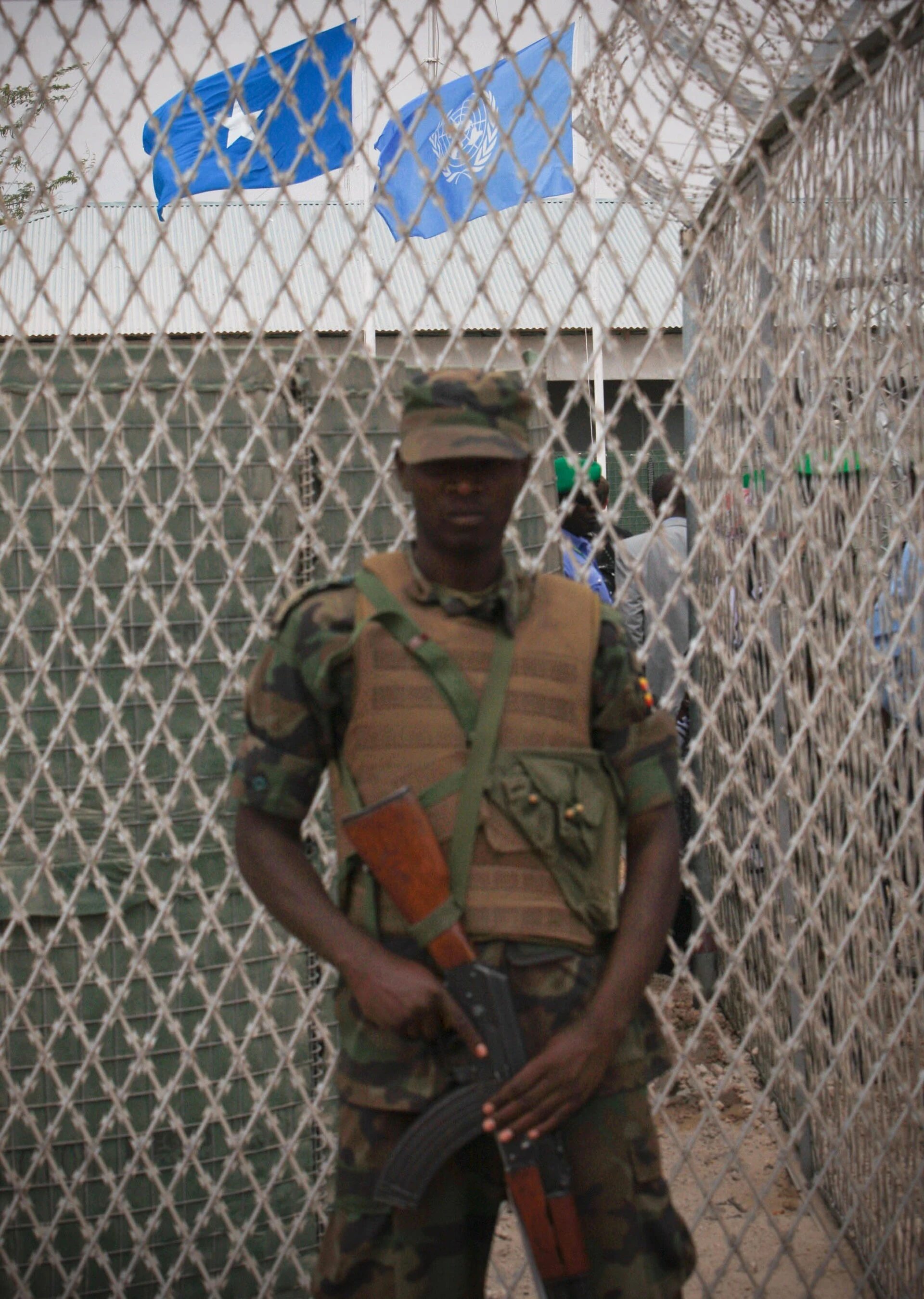
That makes measurement unusually difficult. Peacekeeping can be counted in troop deployments and ceasefire lines; political prevention depends more on credibility, access and timing. These missions work when they are backed by member states and local buy-in, because their influence rests on persuasion rather than coercion.
In remarks to the Security Council in March 2024, DiCarlo said prevention saves lives and development gains and is cost effective. She described prevention as diplomacy for peace, not a theoretical preference but a practical tool in a world of coups, political deadlock, regional rivalries and strained multilateralism.
Why the review matters now
The new publication arrives as the UN’s peace and security system faces financial pressure and increasingly complex conflicts. In that setting, special political missions are one of its core instruments, especially when a military response would come too late or would make the problem worse.
Sources
- [1]news.un.org
- [2]dppa.un.org
- [3]dppa.unmissions.org