World
UN Rights Chief Calls for Global Rejection of Hatred Ahead of International Holocaust Day
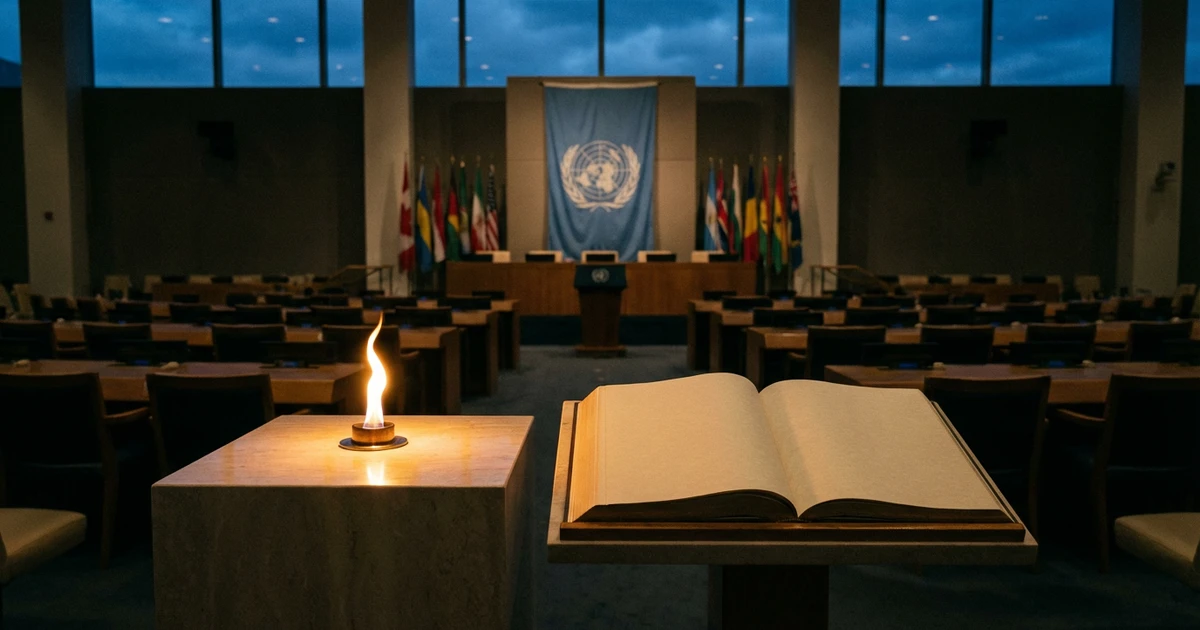
As the world prepares to mark International Holocaust Day, the United Nations' top human rights official has called for a united global stance against hatred and intolerance. The appeal comes at a time when antisemitism and other forms of discrimination have seen a worrying rise in numerous countries.
The Significance of International Holocaust Day
International Holocaust Day, observed annually on January 27th, commemorates the liberation of Auschwitz-Birkenau, the largest Nazi concentration and extermination camp. This day serves as a reminder of the six million Jews and millions of other innocent victims murdered during the Holocaust. It is also a call to action for societies worldwide to confront and reject all forms of hatred.
UN Rights Chief's Warning and Appeal
Speaking ahead of the commemoration, the United Nations human rights chief urged the international community to remain vigilant against hatred. The official emphasized that the lessons of the Holocaust remain deeply relevant as contemporary society faces resurgent antisemitism, racism, and xenophobia. The message was clear: remembrance must be paired with concrete action to challenge hate in all its forms.
Why Remembrance Matters
Holocaust remembrance is not just about honoring victims; it is also about ensuring that the atrocities of the past are not repeated. The UN's call highlights how education about the Holocaust can help inoculate societies against the resurgence of extremism. By fostering understanding and empathy, remembrance initiatives contribute to building more inclusive communities.
Rising Challenges in Combating Hate
Recent years have seen a troubling increase in hate crimes and discriminatory rhetoric, not only targeting Jewish communities but also affecting other minorities. The UN rights chief's warning resonates amid reports of antisemitic incidents, hate speech online, and attacks on vulnerable groups in various regions. This context underscores the enduring relevance of Holocaust education and the universal lessons it imparts.
Global Responsibility and Forward-Looking Solutions
- Support for survivor testimonies: Preserving the stories of Holocaust survivors ensures that future generations understand the consequences of hatred unchecked.
- Investment in education: Comprehensive educational programs on the Holocaust and human rights are essential in combating ignorance and intolerance.
- Legislative action: Governments are urged to strengthen laws against hate crimes and discrimination, reinforcing the message that such behavior has no place in society.
- Vigilance against denial: Addressing Holocaust denial and distortion is critical, as these phenomena undermine the truth and fuel further hatred.
Conclusion: A Call to Action
As International Holocaust Day is observed, the United Nations' message is especially poignant: remembrance must translate into action. Rejecting hatred, educating future generations, and standing in solidarity with all communities at risk are moral imperatives for a just and peaceful world.