Science
UN says extreme heat is growing more frequent and deadly
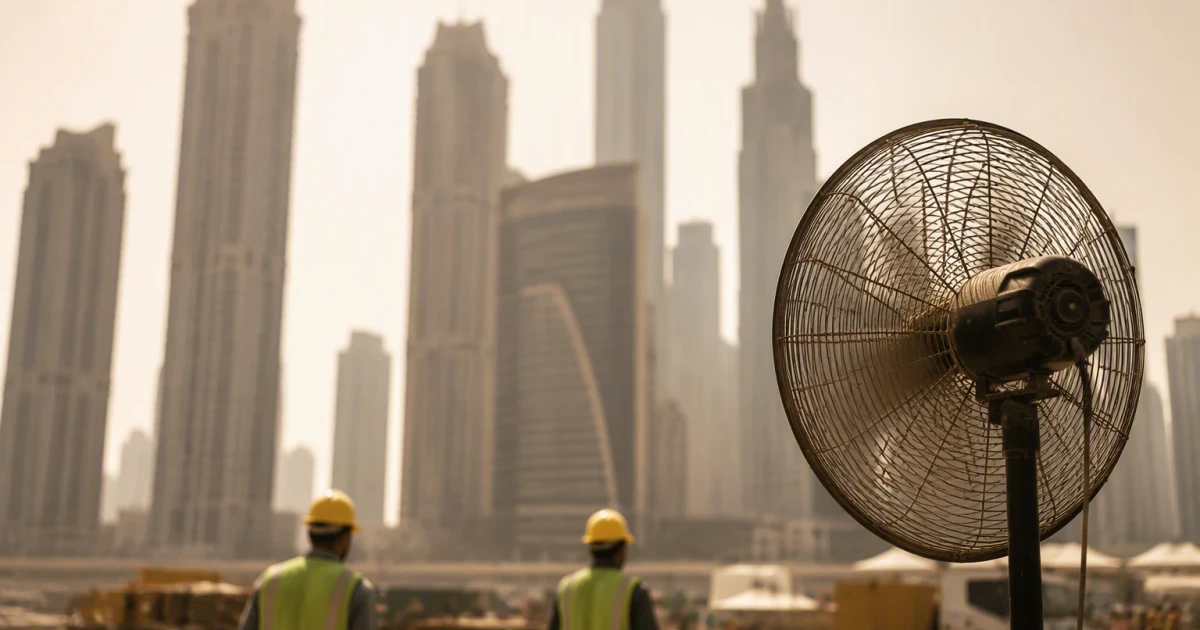
Europe has already faced another difficult summer marked by drought, wildfires and record-breaking temperatures, while warm seas and dry soils have amplified the toll of oppressive heat. Periods of extreme heat are becoming more frequent, more intense and longer-lasting as the planet warms. Heat is now a recurring climate hazard for power grids, hospitals, schools and outdoor workers.
The warning followed António Guterres’ Call to Action on Extreme Heat, launched in New York on 25 July 2024, when the UN secretary-general said, “It’s summertime. But the living is no longer easy.” The call brought together ten specialized UN entities, including the World Meteorological Organization.
The UN background document attached to that call estimated about 489,000 heat-related deaths each year between 2000 and 2019, with 45% of those deaths in Asia and 36% in Europe. It also said heat exposure-related loss in labour capacity caused average potential income losses equal to US$863 billion in 2022, and more than 70% of the global workforce is exposed to excessive heat.
July 2024 included the world’s hottest day on record, and 21 July 2024 was the hottest day on record, according to the World Meteorological Organization and the European Union’s Copernicus Climate Change Service. The WMO’s State of the Global Climate 2025 later said 2015-2025 were the hottest 11 years on record and that 2025 ranked as the second or third hottest year on record, about 1.43 °C above the 1850-1900 average.
The European State of the Climate 2025 report put record heatwaves from the Mediterranean to the Arctic, while glaciers shrank and snow cover declined. Extreme heat hit hundreds of millions of people throughout July, one of the hottest, if not the hottest, months on modern record, in a WMO July update. In August 2025, the World Meteorological Organization and the World Health Organization issued new guidance on heat stress at work, calling for stronger early warnings, cooling centers, urban shade, building design, water management and public health alerts.
Sources
- [1]reuters.com
- [2]wmo.int
- [3]un.org
- [4]heathealth.info
- [5]who.int