World
UN says no progress in stabilizing Syria’s Sweida province
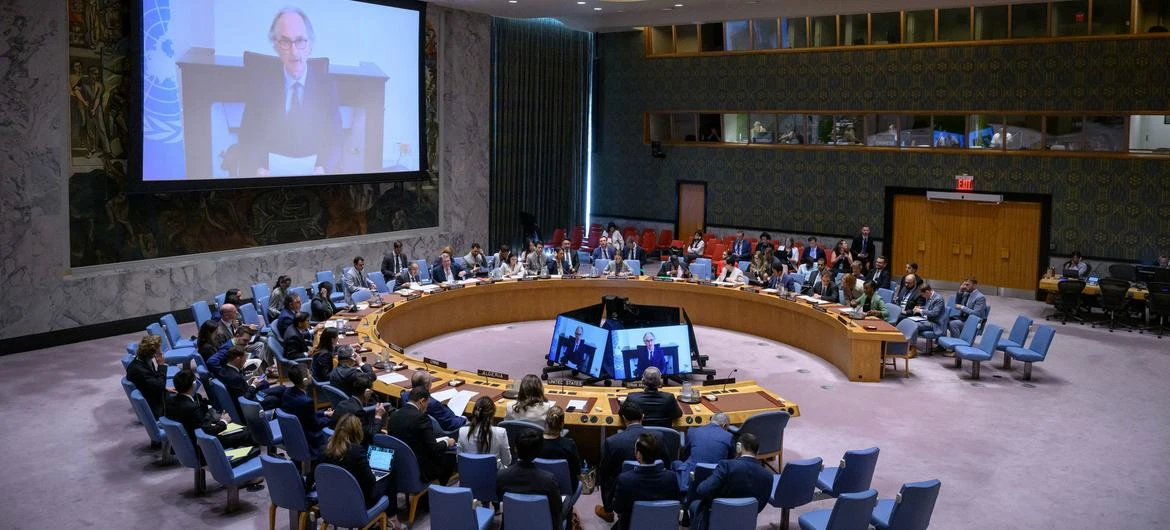
Sweida remained trapped in the aftermath of sectarian violence as a U.N. official told the Security Council that the plan meant to restore confidence, security and state control had gone nowhere. Claudio Cordone said there had been “no progress on the implementation of the September 2025 roadmap of confidence-building and reintegration in Sweida.”
That stasis carried real consequences for civilians. The U.N. said 13,500 students in Sweida were unable to sit national examinations this month after mediation failed to settle where the tests would be held and how they would be secured. Most students in the province have now missed exams for two consecutive years, underscoring how governance failures have seeped into daily life.
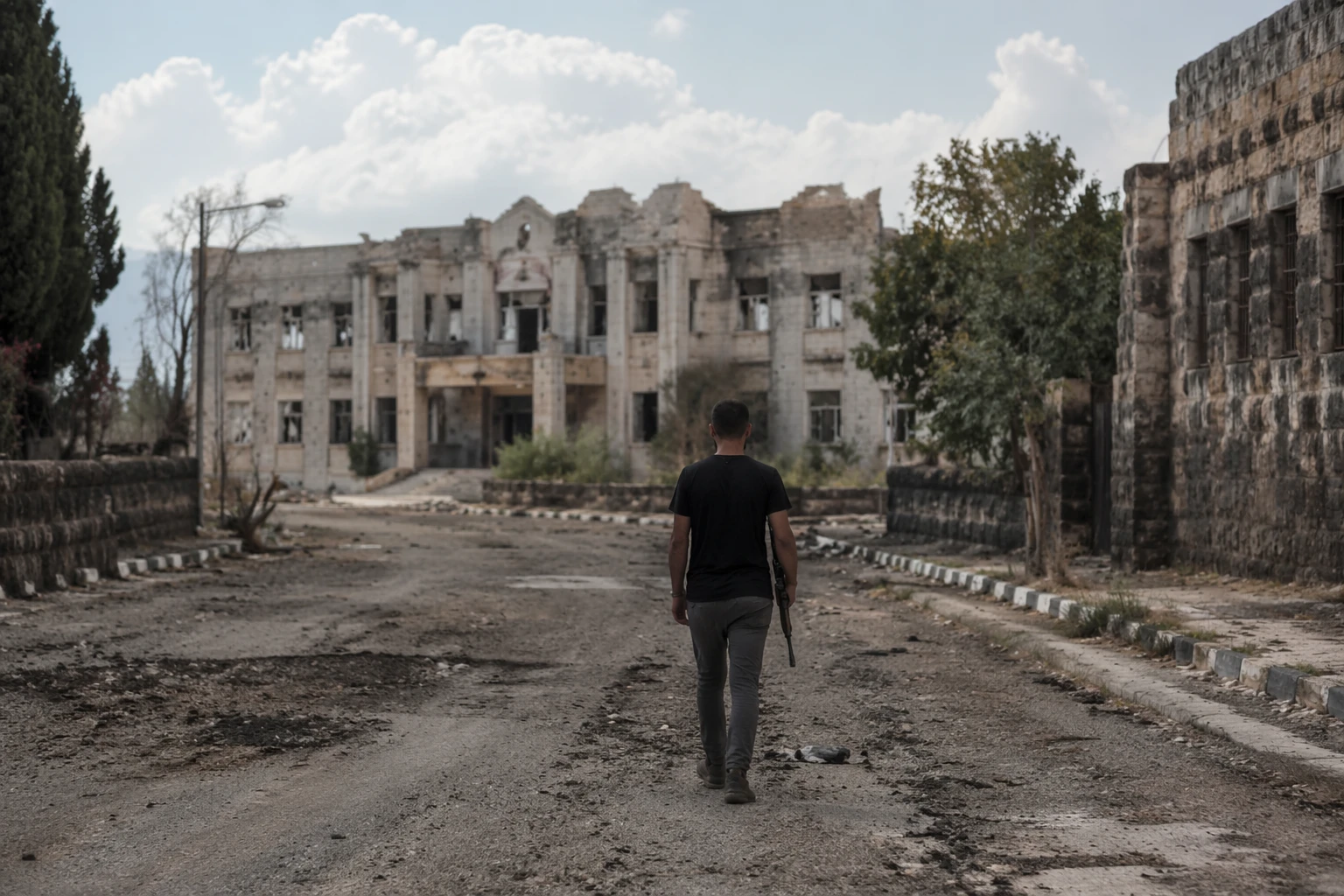
The security picture was no better. Cordone said unresolved grievances continued to destabilize the area, while kidnappings, counter-kidnappings and rivalry among Druze factions still undermined order. Sweida Governor Mustafa al-Bakour, a Damascus appointee, said Druze armed groups had obstructed efforts to restore state institutions, services and trust. Calls from some Druze for Sweida to secede have also sharpened fears in Damascus that the province could pull farther away from the central state.
The diplomacy around Sweida was supposed to build a way back. The Syrian foreign ministry said the roadmap was adopted at a September 16, 2025 meeting in Damascus with the United States and Jordan, after earlier talks in Amman on July 19 and August 12. But the U.N. briefing on June 22 showed that the separate agreement moving forward in northeastern Syria, where Cordone said implementation of the January 29, 2026 deal with the Syrian Democratic Forces had continued and about 1,300 detainees had been released, had no equivalent in Sweida.
The stakes were laid bare by the violence that opened the crisis in July 2025. The U.N. Commission of Inquiry said the attacks unfolded in three waves from July 14 to July 19, killed more than 1,700 people and displaced nearly 200,000. It said it drew on more than 400 firsthand accounts and documented executions, torture, gender-based violence, forced displacement and tens of thousands of burned homes, businesses and places of worship in Druze villages. The commission said the abuses may amount to war crimes or crimes against humanity, depending on further investigation. In Sweida, nearly a year later, the question is no longer only accountability. It is whether postwar diplomacy can still deliver local stability before the province’s fractures harden into another round of violence.
Sources
- [1]usnews.com
- [2]press.un.org
- [3]news.un.org
- [4]un.org
- [5]mofaex.gov.sy
- [6]sana.sy
- [7]arabnews.com