Politics
UN Security Council holds first straw poll for next secretary-general
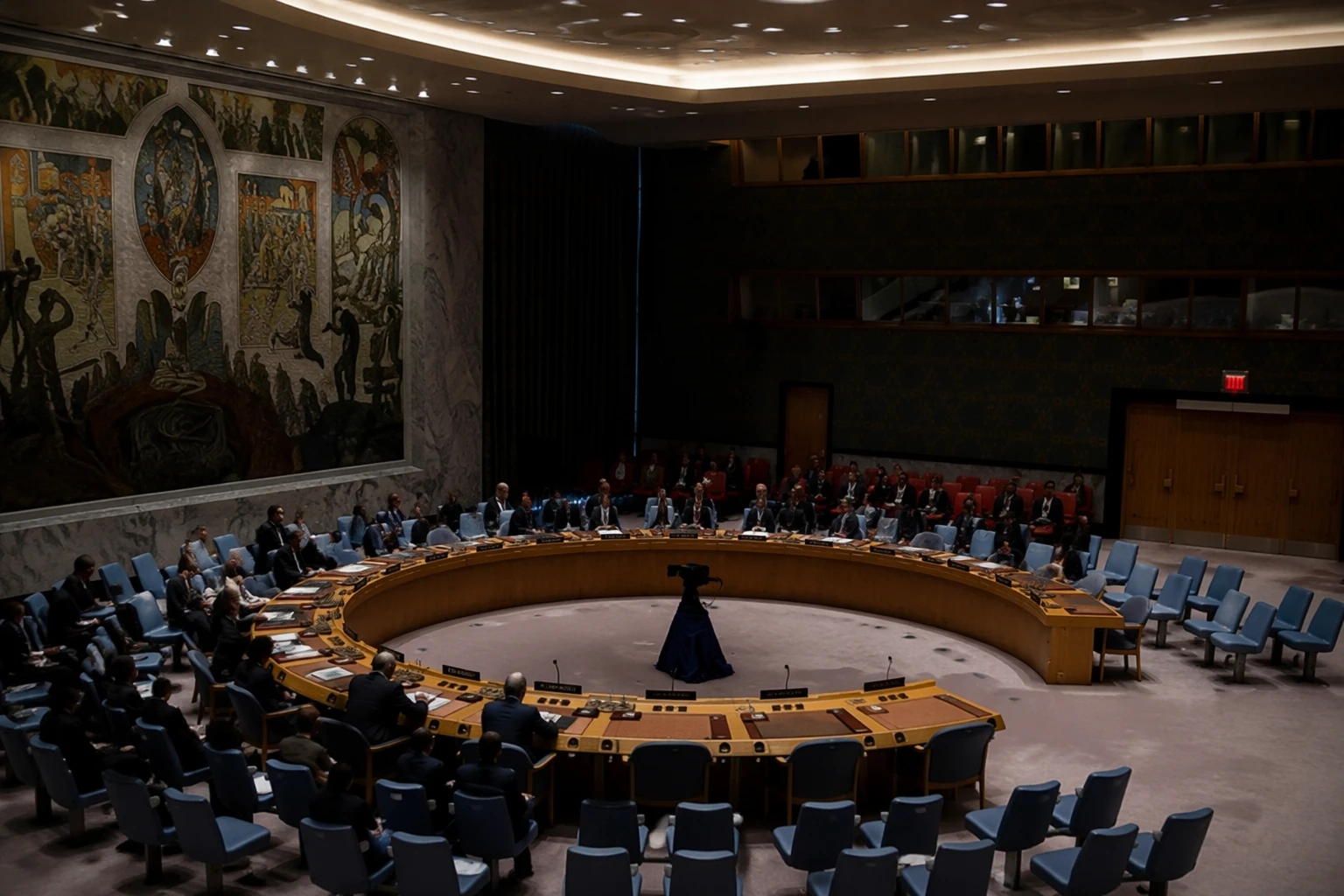
The UN Security Council held its first informal closed-door straw poll of seven candidates, opening the secretive contest to choose the next secretary-general. The ballot is an early power map: it shows who can attract support, who faces resistance, and who may be blocked before the field is narrowed for a formal recommendation to the General Assembly.
Under Article 97 of the UN Charter, the General Assembly appoints the secretary-general on the Security Council’s recommendation, giving the 15-member council decisive leverage over the outcome. The council’s five permanent members and ten rotating members use straw polls to test momentum and signal preferences, and in practice to expose whether a contender can survive objections from one of the permanent five.
The 2025-26 selection process was formally opened on 25 November 2025 by a joint letter from the presidents of the General Assembly and the Security Council, and it is being guided by General Assembly resolution 79/327, adopted on 5 September 2025. The candidate field has drawn heavily from Latin America and Africa. Publicly visible contenders have included Michelle Bachelet of Chile, Rebeca Grynspan of Costa Rica, Macky Sall of Senegal, María Fernanda Espinosa of Ecuador, Rafael Mariano Grossi of Argentina and Carolyn Rodrigues-Birkett of Guyana, while Ugandan diplomat Otunnu later joined the race.
The contest has also become a test of policy direction. Candidates had already been pressing for a renewed United Nations and stronger human rights protections, and six of them presented their visions in Geneva as the organization faced a financial and confidence crisis. The first straw poll does not decide the winner, but it can reveal which campaigns have durable cross-regional backing and which are vulnerable to a veto threat.
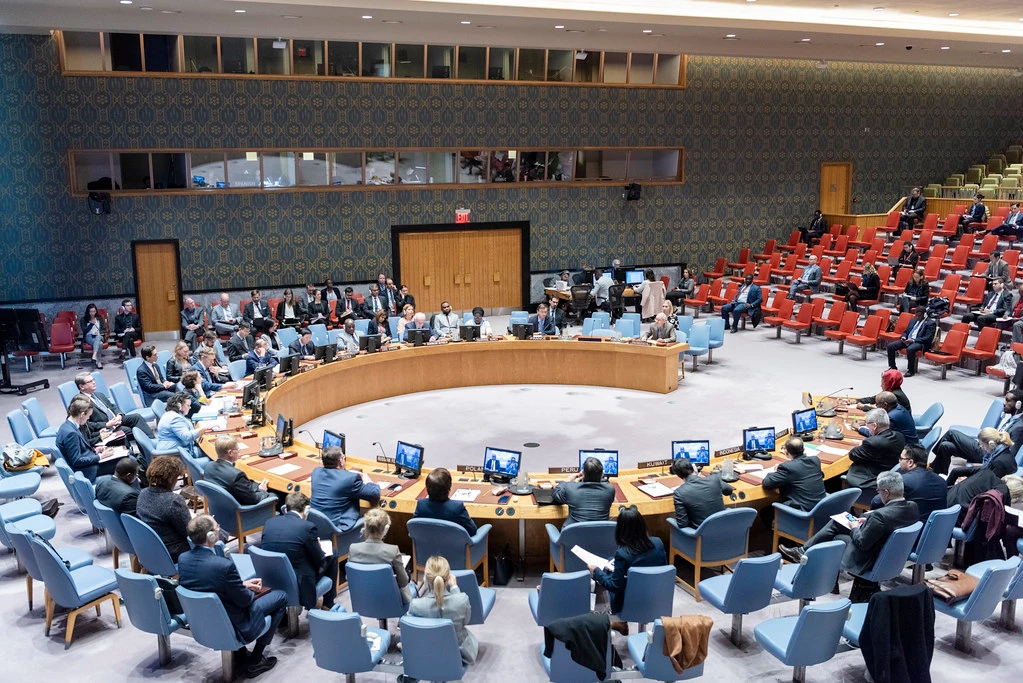
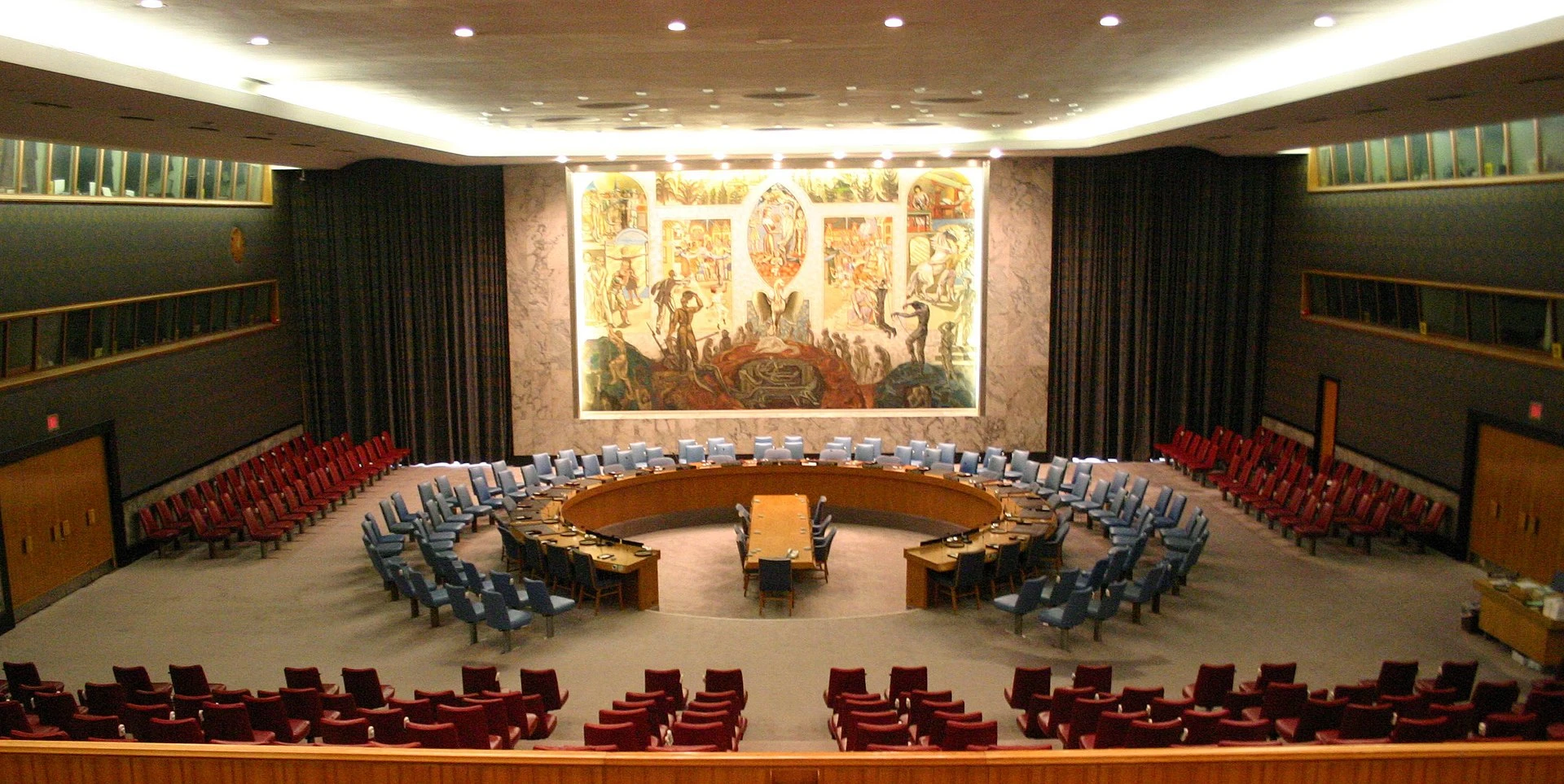
The Security Council has used repeated straw polls before. In the 2016 selection, it voted on 21 July, 5 August, 29 August, 9 September and 26 September before a first colour-coded informal poll on 5 October, a sequence that showed how quickly the field can be pared down before the final recommendation reaches the General Assembly.
Sources
- [1]firstpost.com
- [2]reuters.com
- [3]france24.com
- [4]un.org
- [5]securitycouncilreport.org