Health
UN warns 17 million in northern Nigeria face severe hunger
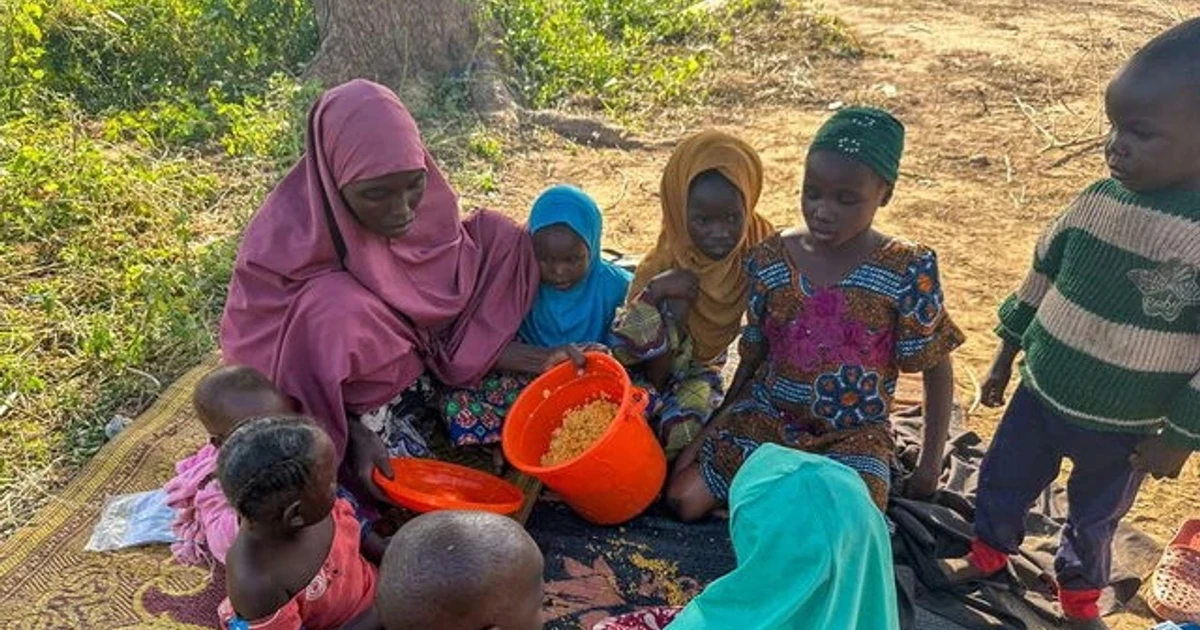
More than 17 million people across nine conflict-hit states in northern Nigeria are now facing crisis, emergency or catastrophic hunger. The U.N. World Food Programme puts the toll at almost two million above its last projections, with conflict, displacement and shrinking aid driving the region into its worst hunger levels in nearly a decade.
In Lagos on July 2, WFP's latest Cadre Harmonisé analysis showed the crisis worsening faster than expected. Fifteen areas are now partially inaccessible to frontline staff, while cargo movements on major routes are being disrupted by attacks and illegal checkpoints. WFP needs $89 million over the next six months to keep food, nutrition and logistics support flowing.
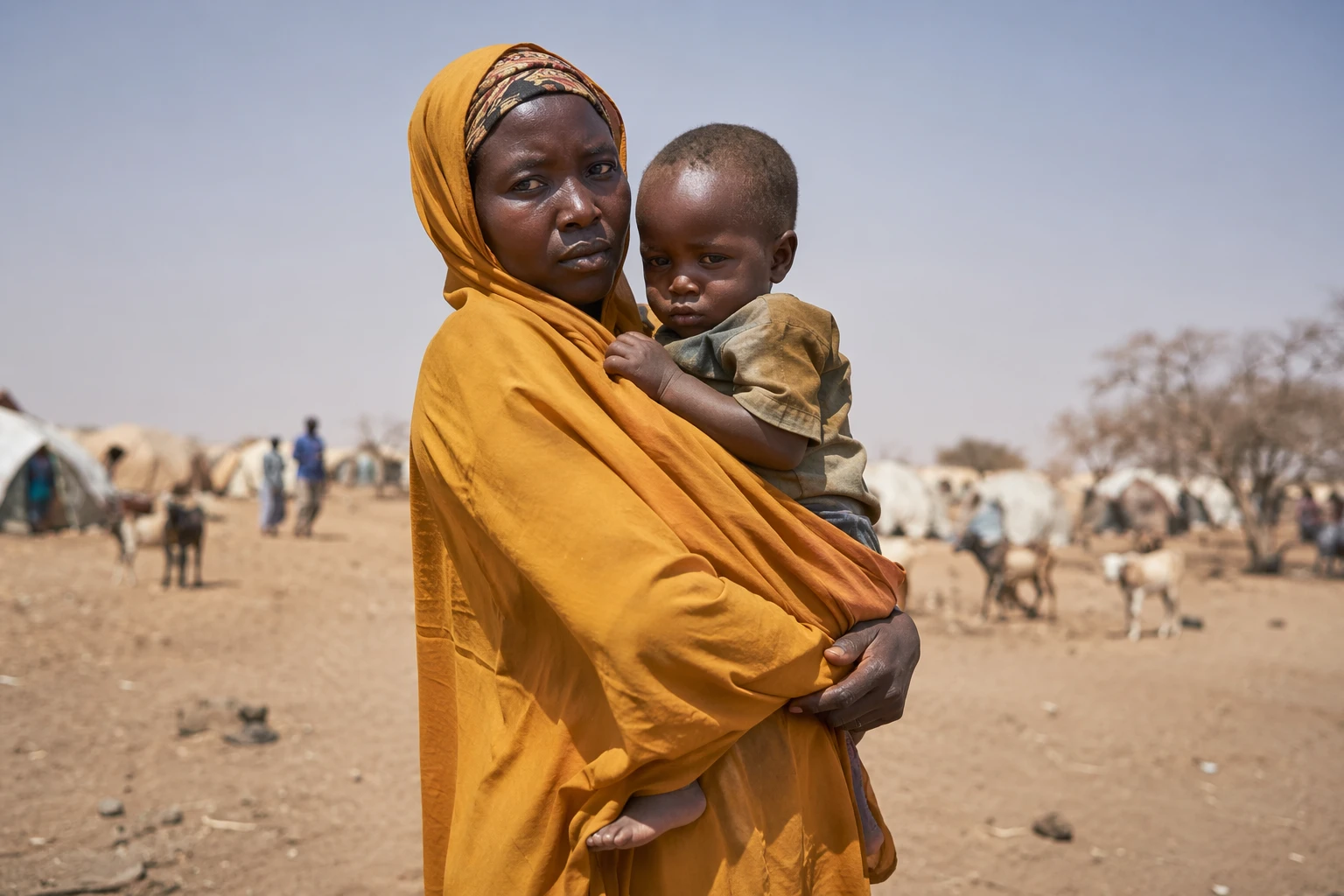
Borno state remains the hardest hit. WFP puts more than 3 million people there acutely food insecure, including more than 750,000 in severe hunger conditions and more than 10,000 facing catastrophic hunger. Across the three northeast states, the number of food-insecure people has risen to 6.2 million, but WFP can support only 740,000 of them, leaving 5.5 million without lifesaving food and nutrition assistance.
WFP has shut down 150 nutrition clinics in Borno and Yobe, leaving 300,000 children at risk of wasting. WFP's emergency page puts 15,000 people in Borno facing catastrophic hunger, one step away from famine-like conditions, as access to clinics and markets continues to narrow.
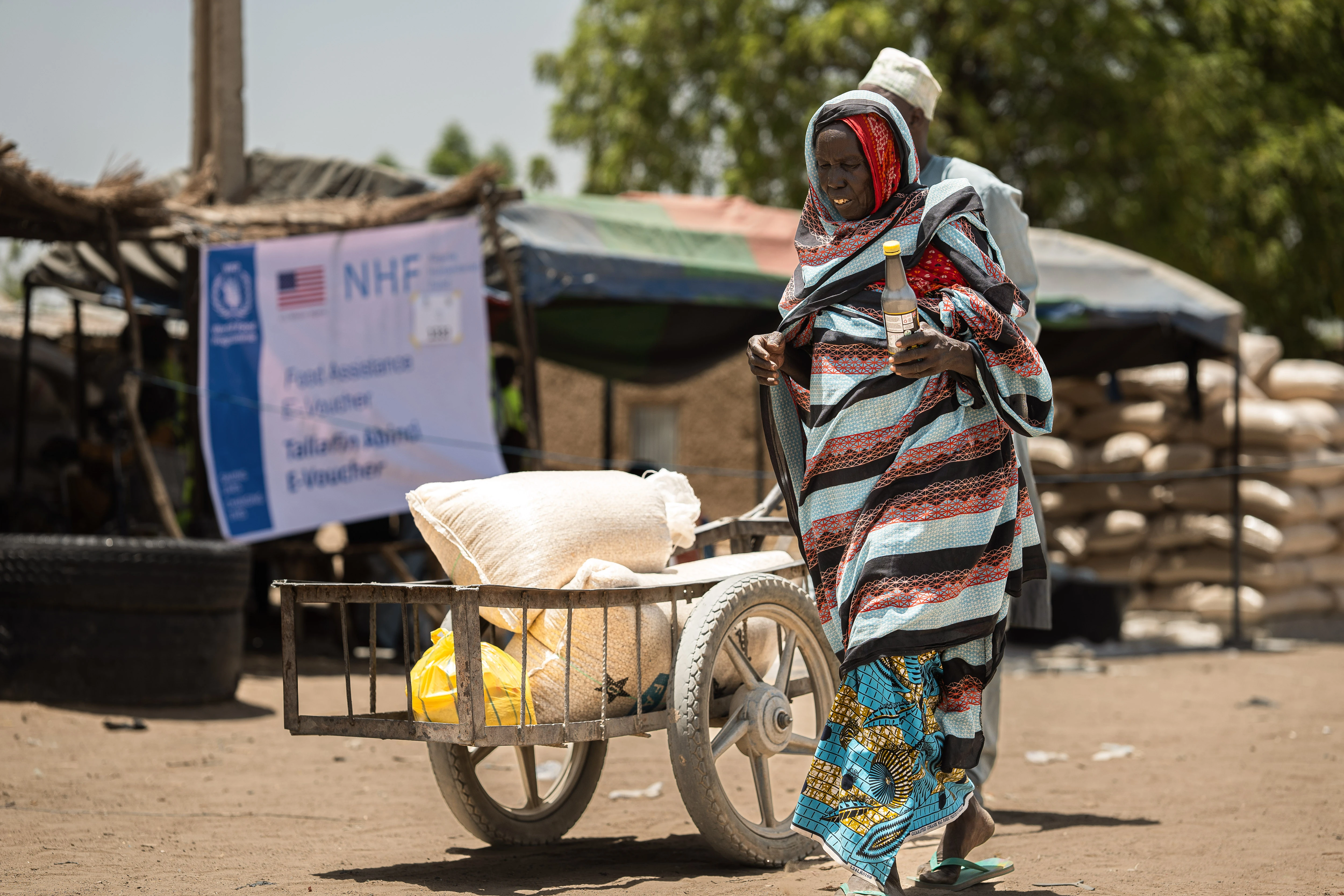
In January, WFP put more than one million people in northeast Nigeria at risk of being cut off from emergency food aid within weeks, and WFP would be limited to assisting only 72,000 people for the first time in Nigeria. WFP also projected that nearly 35 million people would face acute and severe food insecurity during the 2026 lean season, the highest level recorded in a decade.

The United Nations Office for the Coordination of Humanitarian Affairs puts more than 90 percent of the rural population in northern Nigeria affected by multidimensional poverty, with 16 years of armed conflict, flooding, disease outbreaks and weak basic services leaving millions exposed. WFP needs at least $129 million to continue operations until July 2026. Without that funding, relief will shrink further just as families are being pushed toward borrowing, skipping meals and selling assets to survive.
Sources
- [1]usnews.com
- [2]wfp.org
- [3]unocha.org