World
UN warns of famine risk in 13 hotspots as hunger deepens
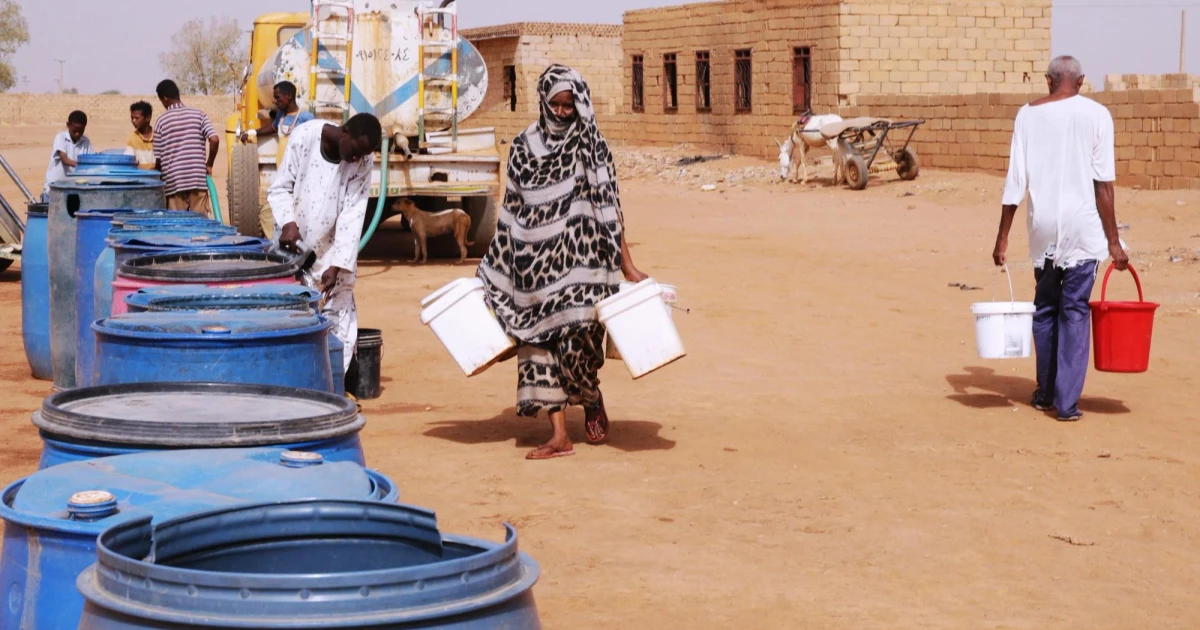
A collapsing aid pipeline is turning hunger into a predictable disaster across 13 hotspots, with Sudan, South Sudan, Yemen and Palestine now the most critical. The joint UN warning said acute food insecurity is set to worsen between June and November as conflict, drought and displacement outpace the response.
The Food and Agriculture Organization of the United Nations and the World Food Programme said the world is not facing a single emergency but a spreading failure of early action. Their latest Hunger Hotspots report identified Sudan, South Sudan, Yemen, Palestine, Haiti, Mali, the Democratic Republic of the Congo, Myanmar, Nigeria, Burkina Faso, Chad, Kenya and Somalia, while warning that funding for food assistance, emergency agricultural aid and nutrition in food crises fell by an estimated 59% between 2022 and 2025. About 266 million people are already facing high levels of acute food insecurity.
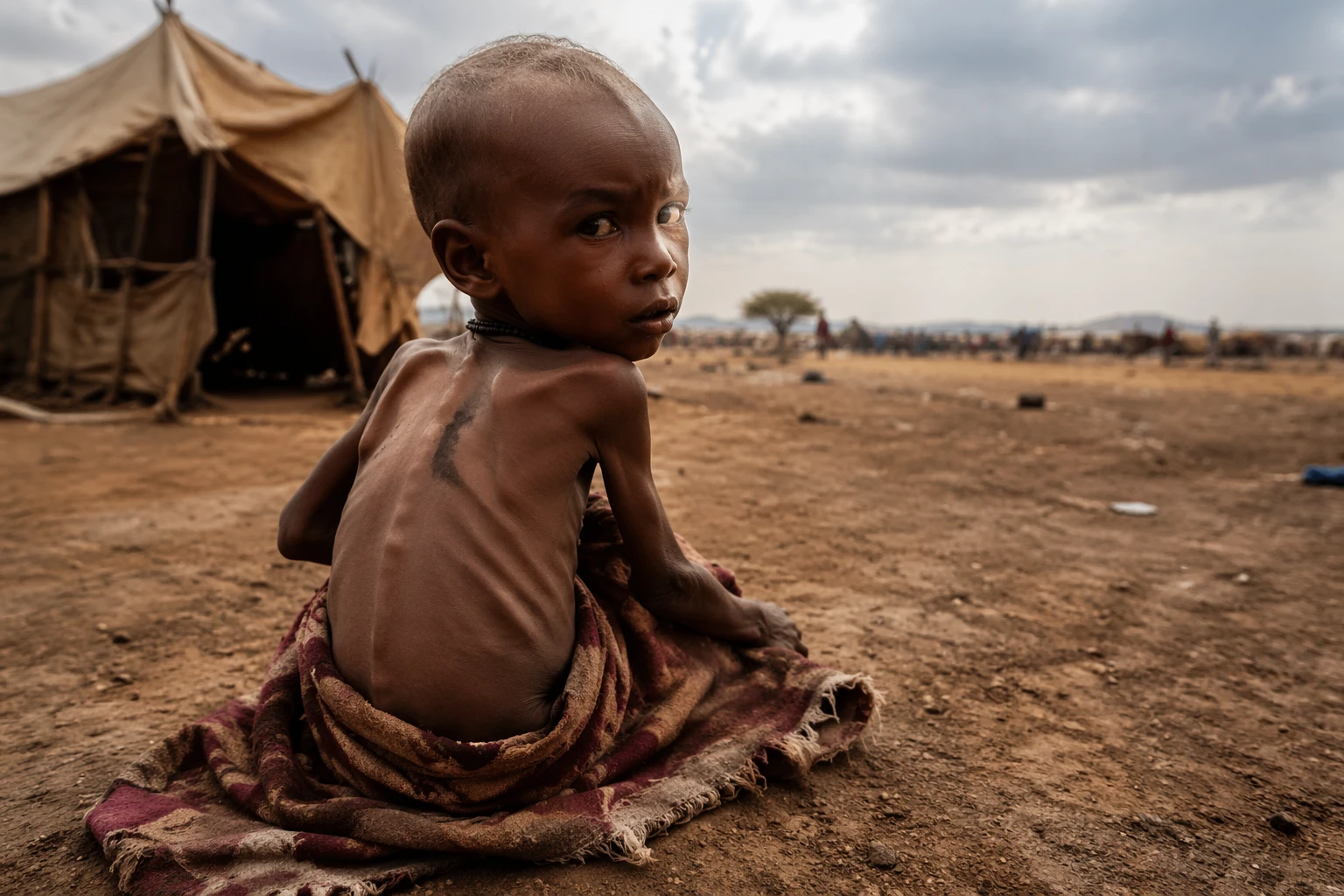
The sharpest danger remains in places where conflict has crushed markets, farming and movement. In Sudan, famine risk persists across several regions, and El Fasher in North Darfur and Kadugli in South Kordofan were classified in IPC Phase 5, or Famine, with reasonable evidence in September 2025. By May 2026, nearly 19.5 million people in Sudan were facing crisis levels of acute food insecurity, and more than 825,000 children were at risk of death from severe malnutrition.
Gaza remains fragile despite some improvement after the October 2025 ceasefire. Late-2025 IPC findings said 1.6 million people in the Gaza Strip still faced Crisis or worse food insecurity, including 571,000 in Emergency conditions and about 1,900 in Catastrophe. Somalia is moving in the opposite direction fast: six million people were facing high acute food insecurity between April and June 2026, including 1.9 million in Emergency, and nearly 1.88 million children were expected to need treatment for acute malnutrition this year. In Somalia’s Burhakaba District, conditions reached IPC AMN Phase 5.

South Sudan is also deteriorating under the weight of violence and hunger. UNICEF said 7.8 million people faced high acute food insecurity in April 2026, while 2.2 million children suffered acute malnutrition and nearly 700,000 were in danger of severe and deadly wasting. Across the region, the report said conflict remained the main driver in almost all of the worst cases, while an Ebola outbreak in eastern Democratic Republic of the Congo has further disrupted livelihoods, markets and access for aid groups.

Carl Skau of the World Food Programme warned that the report’s alarms could not be ignored. Beth Bechdol of the Food and Agriculture Organization called for early and scaled-up action, a direct rebuke to the pattern that has defined too many recent crises: funding drops, access closes, and agencies arrive only after famine is already confirmed. In 2025, famine was confirmed in Gaza Governorate and parts of Sudan, the first time it had been confirmed in two separate contexts in the same year. The warning now is that without money, access and political pressure in the next few weeks, the world will be reading the same emergency in more places, at a much higher human cost.
Sources
- [1]msn.com
- [2]wfp.org
- [3]fao.org
- [4]openknowledge.fao.org
- [5]ipcinfo.org
- [6]un.org
- [7]unicef.org