Health
UNAIDS warns aid cuts, rights backlash threaten HIV progress
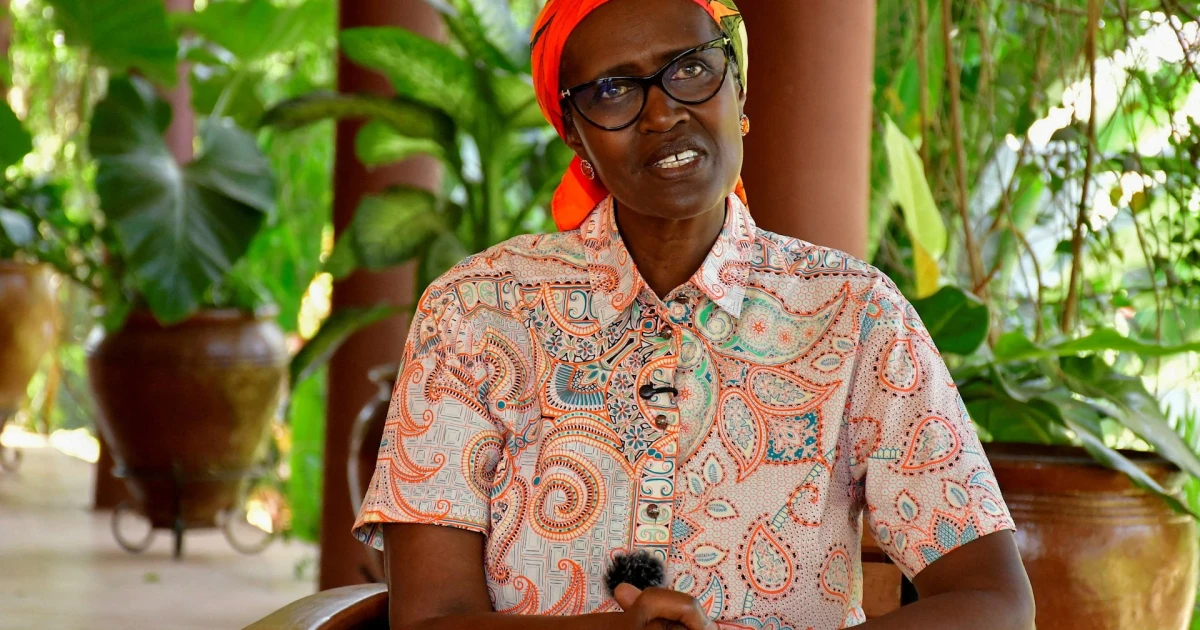
Global HIV prevention is slipping backward as U.S. aid cuts ripple through clinics and outreach programs, leaving fewer people on pre-exposure prophylaxis and threatening treatment continuity in dozens of countries. UNAIDS says the damage is already measurable: 38% fewer people received PrEP in 2025 than in 2024 across 62 countries.
In a report released Friday, UNAIDS said external funding cuts, a backlash against human rights and chronic underinvestment in prevention and community services are reversing years of gains. Winnie Byanyima called it “the most serious disruption in the HIV response since the world came together to fight this disease.”
The agency said the U.S. government's January foreign-aid pause had an immediate impact on HIV medicines and prevention services, and it has tracked the disruption across 55 countries. In eight countries where UNAIDS operates, 99.9% of HIV prevention services are externally funded, leaving only 0.1% domestically financed and highly exposed to donor decisions.
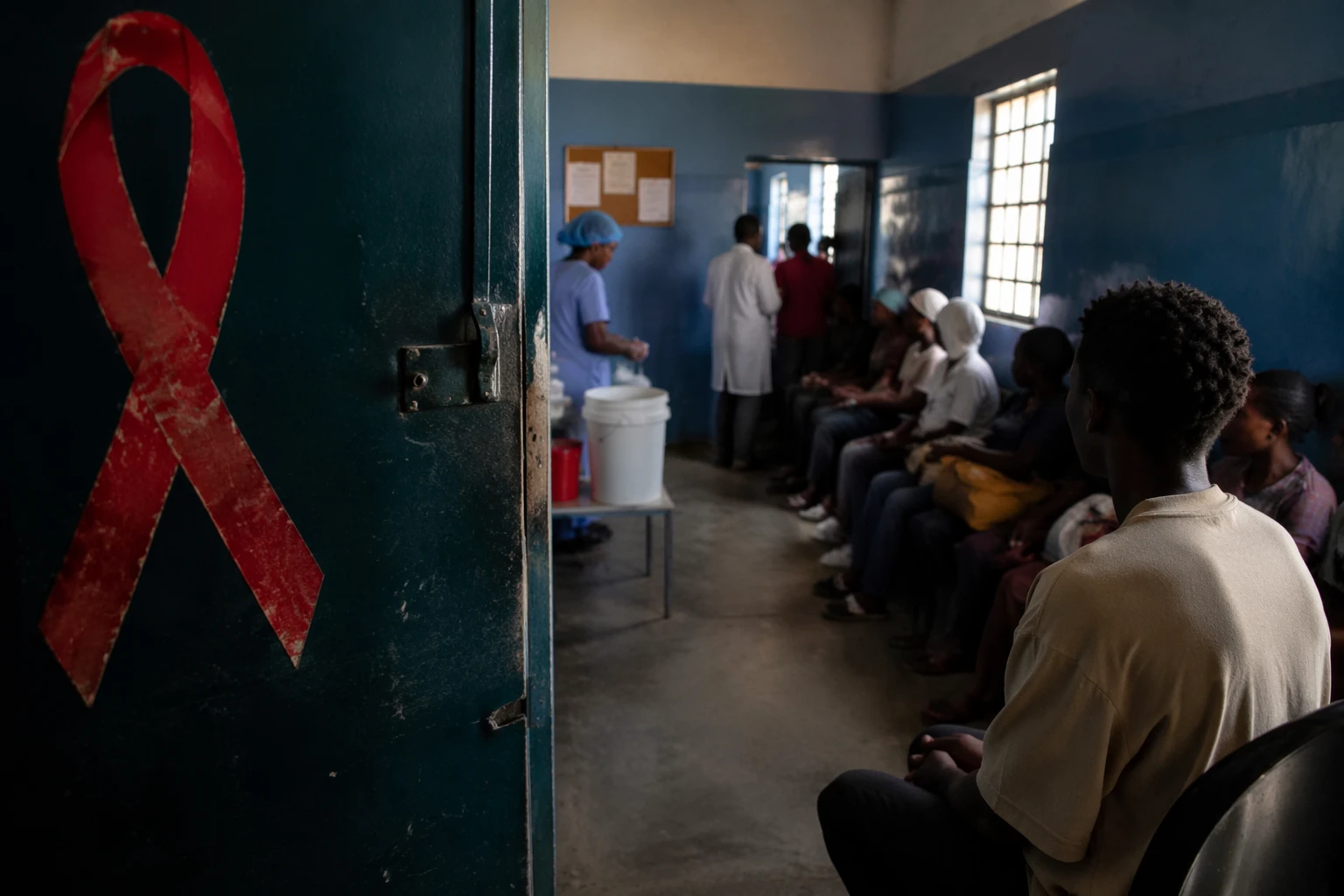
The setback comes after a period of real progress that still fell short of the world's targets. UNAIDS' 2025 Global AIDS Update said new HIV infections were 40% lower in 2024 than in 2010, while AIDS-related deaths were down 56% over the same period. Even so, the pace was not fast enough to meet the 2025 milestones or stay on track to end AIDS as a public health threat by 2030.
The risk is sharpest in places where outside money has long carried prevention programs. Seven countries in eastern and southern Africa reached the global 95-95-95 testing and treatment targets in 2024, showing how much progress can be made when systems are funded and stable. UNAIDS says that progress is now fragile if prevention outreach, community services and medicine supply chains keep losing support.
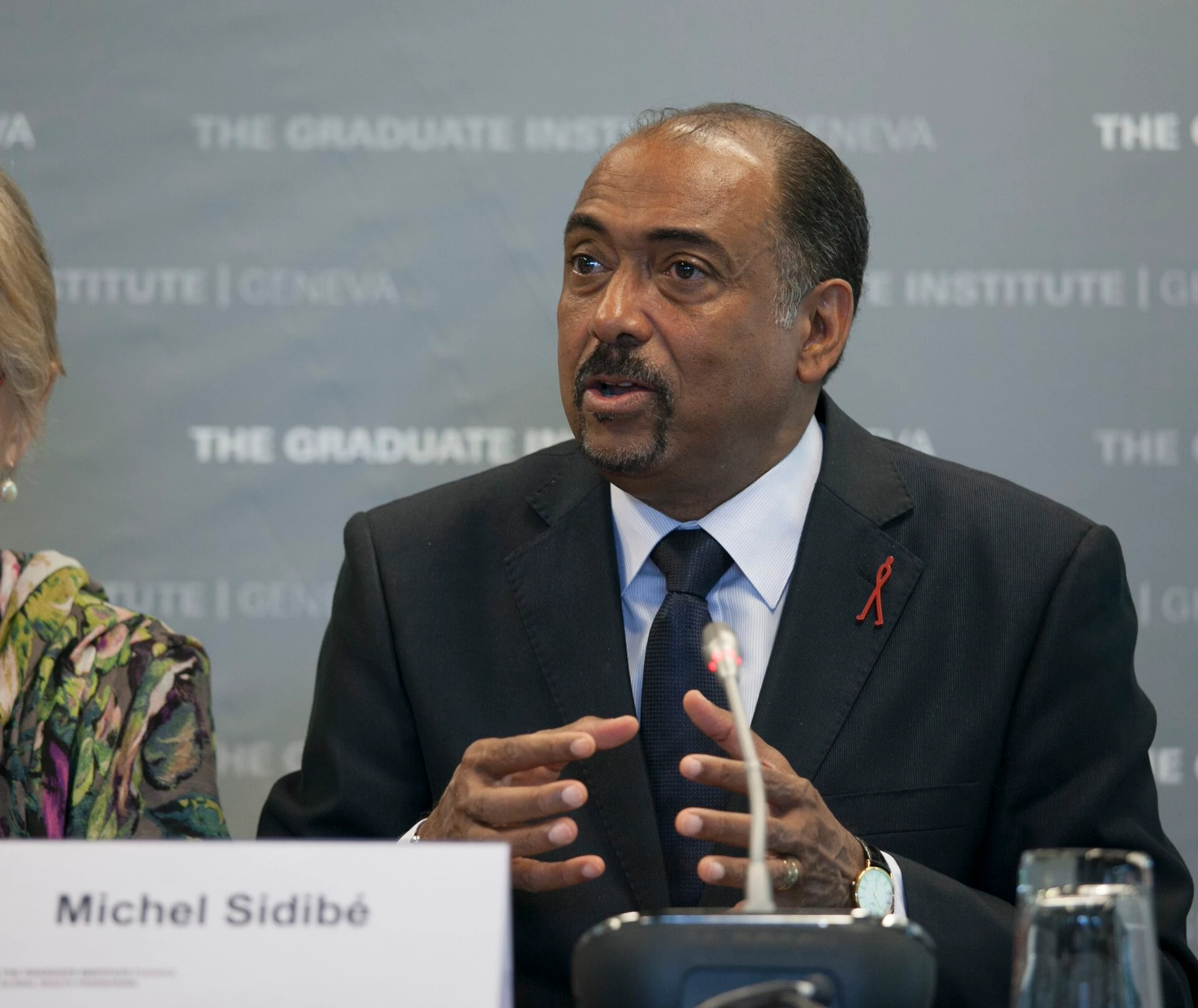
The warning lands as global health leaders prepare for the UN General Assembly High-Level Meeting on HIV/AIDS, scheduled for June 22 to 23 in New York. UNAIDS and UN Secretary-General António Guterres are pressing for renewed global solidarity, arguing that the funding collapse, if left unchecked, could turn a hard-won decline in infections and deaths into a new wave of missed treatments and preventable infections.
Sources
- [1]news.google.com
- [2]unaids.org
- [3]news.un.org
- [4]cnbcafrica.com