US News
Uncertainty Deepens as DHS Shutdown Drags On
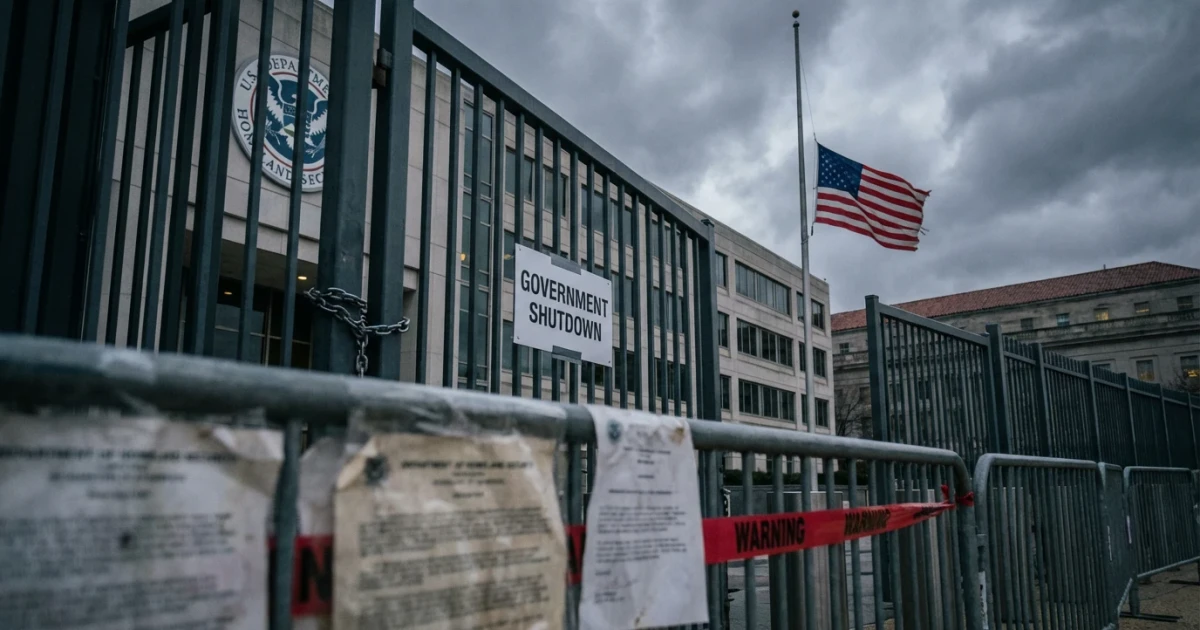
As the Department of Homeland Security (DHS) shutdown enters another week, there is growing uncertainty in Washington over if—and when—the impasse will end. Lawmakers have failed to break the deadlock, leaving critical security operations unfunded and raising the specter of a prolonged disruption to one of the federal government’s most vital agencies.
Senate Stalemate Halts Progress
Despite mounting pressure, Senate Republicans have made no significant moves to resolve the DHS funding crisis. In a brief session reported by multiple outlets, including Politico and The New York Times, the Senate adjourned without progress, highlighting the entrenched positions that have come to define this standoff. The shutdown traces back to a bitter dispute over provisions in the Department of Homeland Security Appropriations Act, H.R. 240, which has become a political flashpoint in ongoing debates over immigration and border security. The official Senate roll call vote shows the party-line divisions that have hampered efforts to pass a clean funding bill.
Operational and Security Impacts Worsen
The effect of the shutdown is being felt across multiple DHS agencies. As detailed in the department’s shutdown impact fact sheet, thousands of employees have been furloughed, while many are still required to work without pay to maintain essential national security and emergency response functions. Critical operations, from border protection to disaster response, are under strain as the funding lapse endures.
- A substantial number of DHS employees face uncertainty about their paychecks and job security.
- Key programs in border security, cybersecurity, and counterterrorism are being disrupted or delayed.
- Previous shutdowns have resulted in significant backlogs and reduced morale among the federal workforce, as documented in the Government Accountability Office’s report on shutdown impacts.
Political Stakes and Public Frustration
The ongoing standoff is fueling frustration among both lawmakers and the public. The Congressional Research Service notes in its analysis of government shutdowns that prolonged funding gaps erode confidence in federal institutions and complicate future budget negotiations. With no clear resolution in sight, the possibility of a protracted shutdown is raising alarms within the national security community.
Politico highlights that the current situation may persist, as neither party appears willing to compromise on core issues. The lack of legislative progress has led some observers to question whether a breakthrough is possible without a significant shift in negotiations or outside pressure.
What’s Next?
As the shutdown drags on, all eyes remain on Congress to find a way forward. The Congressional Budget Office projects that extended funding lapses could have ripple effects across the federal government, including delayed contracts and reduced law enforcement capabilities. The longer the impasse continues, the greater the stakes for national security, federal workers, and the public at large.
For now, the shutdown serves as a stark reminder of the high costs of political gridlock—and the challenges of governing in a divided Washington.