World
Uncertainty Grows as Trump’s Policies Disrupt Global Alliances and Economic Stability
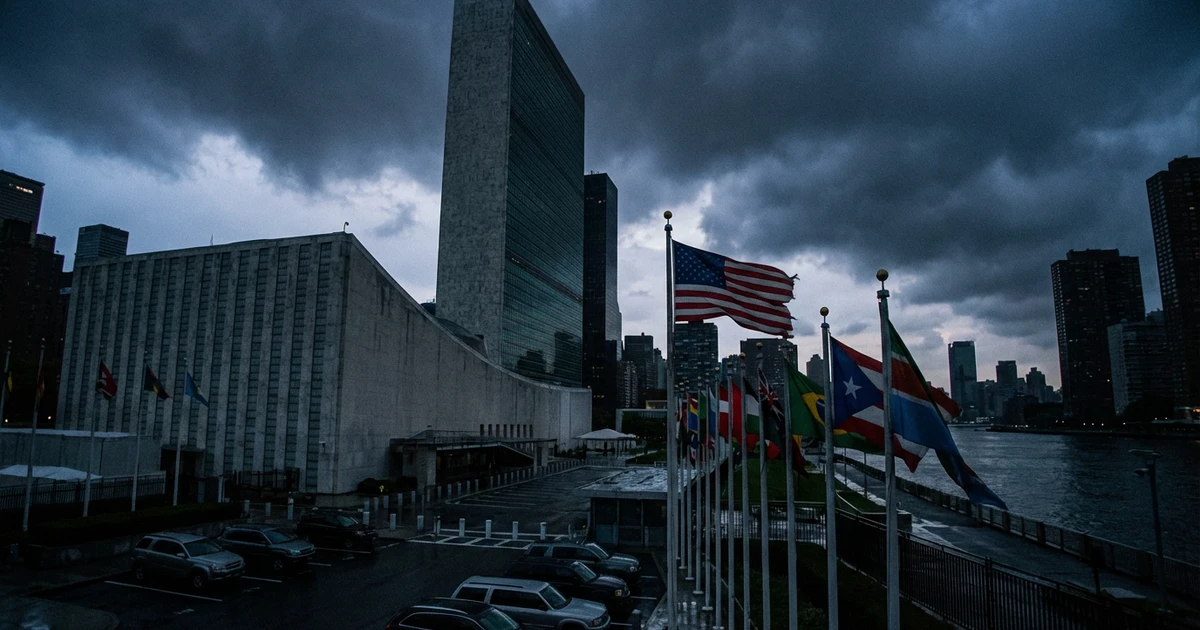
Donald Trump’s recent actions and policy stances are shaking the foundations of the post-World War II global order, leaving U.S. allies anxious about mounting economic and security risks. As the world’s largest economy and a linchpin of multilateral institutions, the United States’ evolving posture under Trump’s leadership signals a dramatic shift from decades of diplomatic precedent, prompting urgent recalibrations among longstanding partners.
Breaking with the Old Global Order
According to reports, Trump’s administration has cast aside traditional alliances in favor of an unpredictable, transactional approach to international relations. This departure disrupts the consensus-driven frameworks that have underpinned global stability since the mid-20th century, including NATO, the World Trade Organization, and other multilateral agreements.
- NATO cohesion is being tested as Trump questions the value of collective defense and presses allies for greater financial contributions.
- Trade relationships face uncertainty as the administration threatens tariffs and reconsiders participation in global economic agreements.
- Diplomatic norms are being challenged by Trump’s willingness to unilaterally negotiate deals—such as the controversial Greenland proposal—without broad Allied consultation.
Allies Brace for Economic and Security Risks
For America’s closest partners in Europe and Asia, these shifts carry profound implications. The prospect of weakened transatlantic ties and a U.S. retrenchment from traditional leadership roles has triggered concerns about both economic turbulence and diminished security guarantees.
- European leaders are reportedly developing contingency plans to manage potential disruptions in defense cooperation and market access.
- Asian allies, particularly those in the Pacific Rim, worry about the reliability of U.S. commitments amid growing competition with China.
- Global markets have seen increased volatility as investors react to the possibility of trade wars and fragmented supply chains.
Controversial Deals and Diplomatic Fallout
Among the most headline-grabbing moves, Trump’s pursuit of a deal to purchase Greenland has drawn sharp criticism from both U.S. allies and foreign policy experts. While such an initiative may be seen as a bold negotiation tactic, it has also been interpreted as a sign of disregard for established diplomatic processes and allied interests.
As highlighted in recent opinion pieces, critics argue that these actions cannot undo the damage inflicted on alliances such as NATO. The erosion of trust and mutual commitment, they contend, may have lasting consequences that extend well beyond the tenure of any single administration.
Analysis: The High Stakes of Disrupted Alliances
The ongoing redefinition of America’s role in the world is prompting allies to brace for a period of uncertainty. The effects are already visible in shifting defense budgets, new trade negotiations, and a growing chorus of voices urging greater self-reliance among U.S. partners.
- Some European nations are increasing their defense spending and pursuing closer regional security initiatives.
- Economic experts warn that a breakdown in traditional alliances could trigger disruptions in global supply chains and slow growth.
- Diplomatic analysts note that the unraveling of shared norms may embolden rival powers and challenge the liberal international order.
Looking Ahead
As the world watches how Trump’s policies will continue to reshape established alliances, the stakes remain high for both economic prosperity and international security. America’s allies are left to navigate an unpredictable landscape, weighing the risks of a realigned global system and seeking new strategies to safeguard their interests.