Health
Uncertainty Surrounds Ebola Spread as Congo Faces Diagnostic Shortage
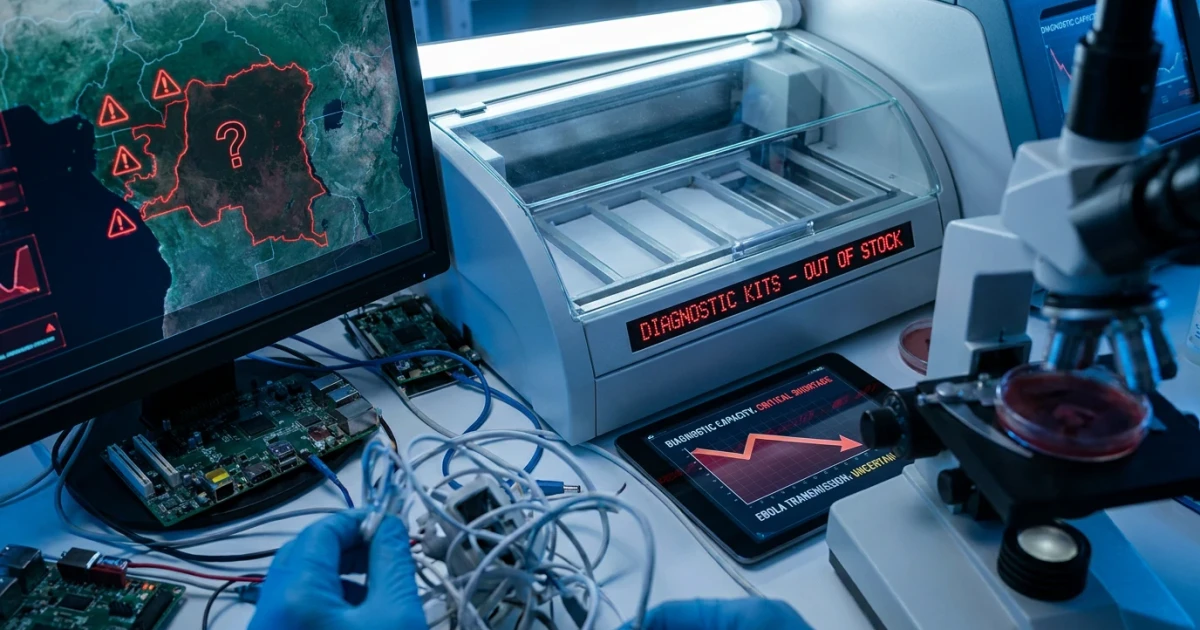
As the latest Ebola outbreak continues to unfold in the Democratic Republic of the Congo (DRC), experts are raising alarms about the uncertain ways the virus is spreading and highlighting the critical shortage of diagnostic testing in the region. The situation underscores the urgent need for improved surveillance and resources to prevent the disease from spiraling further out of control.
Evolving Patterns of Ebola Transmission
While Ebola outbreaks have historically been linked to direct contact with bodily fluids of infected individuals, recent reports suggest that the current outbreak in the DRC is demonstrating transmission patterns that are not yet fully understood. The Washington Post notes a growing consensus among health experts that the virus may be spreading through routes that have not been thoroughly documented or grasped, complicating efforts to contain it.
- Classic transmission has involved caregivers, healthcare workers, and family members in close contact with patients.
- There is rising concern about the role of asymptomatic carriers or environmental persistence in prolonging outbreaks.
This uncertainty makes it difficult for public health authorities to predict how and where the virus might surface next, complicating the implementation of effective containment measures.
Testing Shortages Hamper Response
One of the most pressing challenges, as highlighted by The Washington Post, is the lack of sufficient diagnostic testing in the DRC. Rapid and accurate diagnosis is essential for isolating patients, tracing contacts, and ultimately breaking chains of transmission. However, the country currently possesses only a limited number of laboratories equipped to handle Ebola testing, and logistical hurdles such as transportation of samples from remote areas further delay results.
- Few hospitals and clinics have access to reliable Ebola tests.
- Delays in diagnosis can lead to undetected spread among communities and healthcare facilities.
According to the World Health Organization's official outbreak updates, the lack of rapid testing is a significant barrier to mounting an effective response.
International Response Efforts
International agencies, including the UNICEF Ebola Response program, are working to bolster diagnostic capacity and provide support for local healthcare systems. This includes distributing personal protective equipment (PPE), deploying mobile laboratories, and training health workers in infection prevention.
- UNICEF has shipped testing kits and supplies to affected regions.
- WHO is coordinating efforts to enhance contact tracing and community outreach.
Despite these interventions, the scale of the current outbreak and the uncertainty surrounding its transmission make it clear that more resources and research are urgently needed.
What Needs to Happen Next
Health experts emphasize that stopping the Ebola outbreak will require a multifaceted approach:
- Dramatic expansion of rapid testing and laboratory facilities across the DRC.
- Continued research into all possible outbreak patterns and transmission modes.
- Intensive community engagement to educate the public about infection risks and encourage early reporting of symptoms.
- Support for healthcare workers, who remain on the front lines and are among the most vulnerable to infection.
Until the routes of transmission are fully understood and the diagnostic gap is closed, the DRC—and the world—will remain at risk of further Ebola flare-ups.
Looking Forward
The lessons from this outbreak reinforce the need for ongoing investment in public health infrastructure, research, and rapid response capabilities. As new patterns of disease emerge, global vigilance and cooperation will be crucial in preventing future epidemics not only in Africa but around the world.