Technology
Unconventional AI unveils Un0, image model built on new computer design
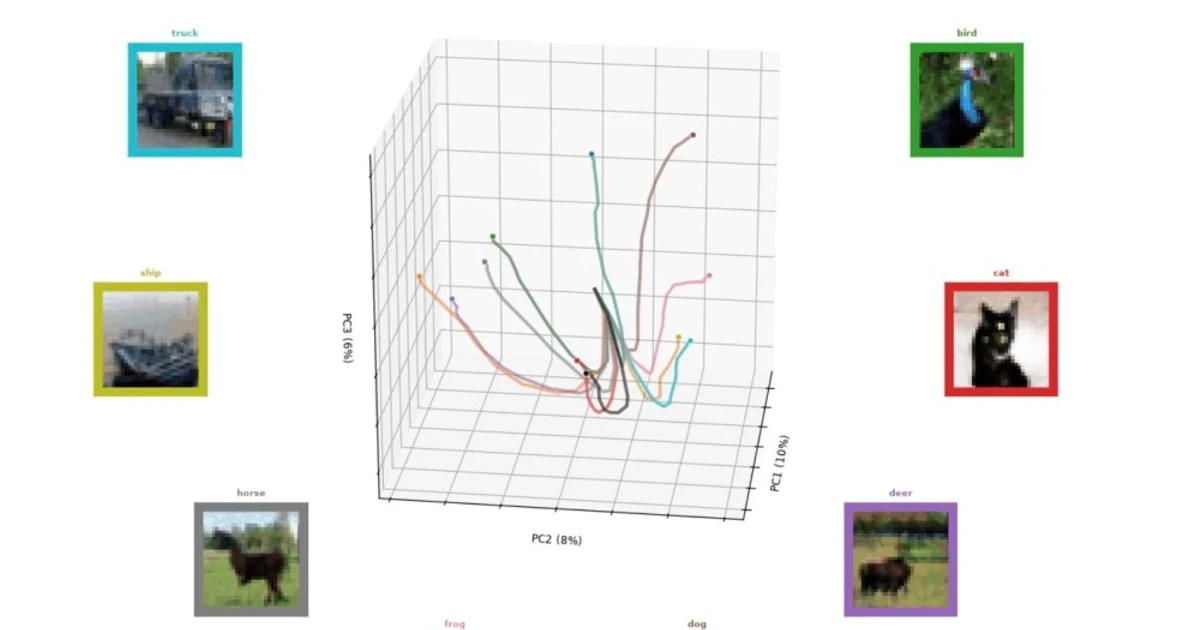
Unconventional AI has unveiled Un0, its first public image-generation model, and the company says the system is a preview of a very different kind of computer built around oscillator-based hardware. The model runs in software simulation rather than on physical chips, but founder Naveen Rao says it already behaves like a conventional image system and could someday slash AI power use by as much as 1,000 times.
Rao, who previously led AI at Databricks, called Un0 the “hello world” of the architecture. The startup says the model was built to show that its planned computer design can replicate the behavior of mainstream AI systems while aiming for far lower energy demands, a claim that lands in a market increasingly worried about the cost of running large models.
The gap between the promise and the product is still wide. Un0 exists only in simulation for now, and the company says actual chip schematics are coming soon. That means the headline energy savings remain a target, not a measured result from deployed hardware. Still, the pitch speaks directly to one of AI’s most expensive constraints: even before electricity and cooling are counted, companies are already confronting runaway model bills.
Databricks moved to address that problem on June 16, 2026, when it launched tools designed to help customers control AI spend after finding that some users had accidentally run up tens of millions of dollars in a single month. The timing makes Rao’s hardware bet easier to understand. If AI workloads keep getting bigger, cheaper power per task could matter as much as benchmark performance.
Rao’s career gives the project added weight in Silicon Valley. He was formerly head of AI at Databricks, co-founded MosaicML before Databricks announced its acquisition agreement on June 26, 2023, and completed the deal on July 19, 2023. Databricks said the acquisition would help companies build, own and secure generative AI models with their own data. Rao also co-founded Nervana Systems, which Intel acquired in 2016, and later led Intel’s AI group.

Unconventional AI has also attracted investor attention. A later report described a $475 million seed round at a $4.5 billion valuation, a sign that backers are willing to fund a hardware thesis at the edge of what current AI systems can do. For now, though, Un0 remains a simulation of a system that has yet to reach silicon, and the real test will come only when the architecture leaves the screen and enters a chip.
Sources
- [1]techcrunch.com
- [2]databricks.com
- [3]axios.com