Health
Under-pillow speakers target insomnia with private nighttime listening
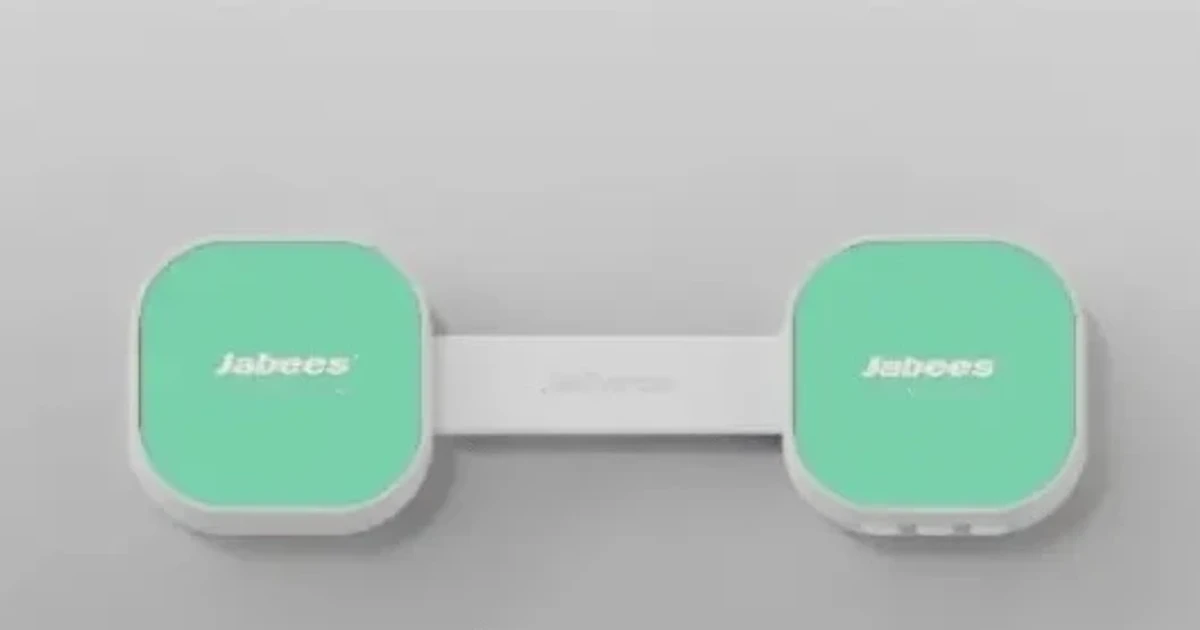
For people who fall asleep to podcasts, rain sounds or TV audio, the problem is not just finding something soothing. It is finding a way to listen without sore ears, a lost bud or a partner who has to hear it too. That is the gap under-pillow speakers are now trying to fill, and manufacturers are selling them as comfort products for a sleep problem that is also a public-health problem.
Insomnia is not just an occasional rough night. Sleep-health experts define its symptoms as trouble falling asleep, waking during the night, waking too early and daytime fatigue or irritability. The CDC says adults need at least 7 hours of sleep a day, and its sleep reporting shows insufficient sleep stayed persistent for U.S. adults from 2013 to 2022. The National Sleep Foundation continues to track sleep health through its annual Sleep in America Poll, while the National Heart, Lung, and Blood Institute says insufficient sleep and under-treated sleep disorders create a substantial economic burden through accidents and lost productivity.
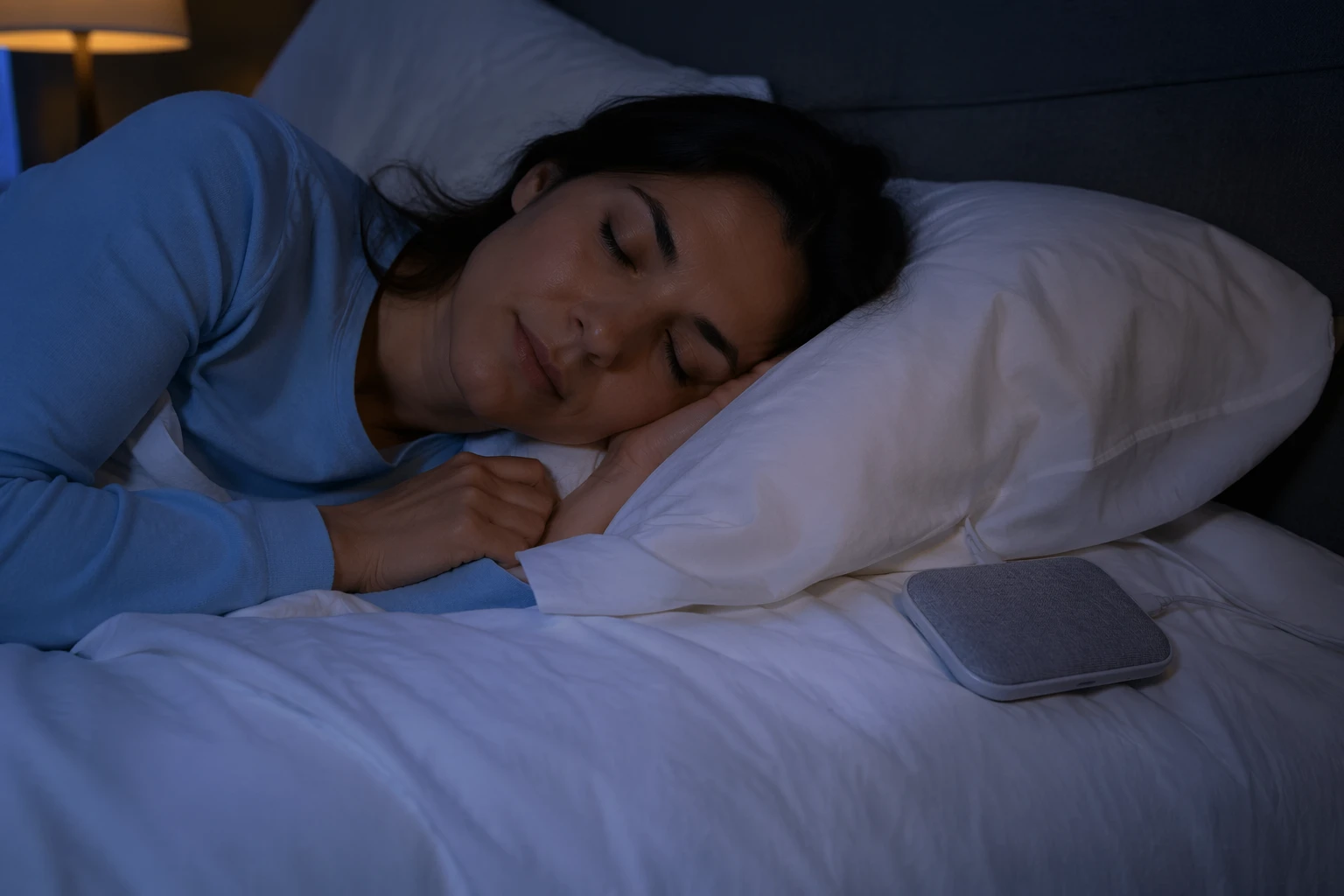
That context matters because the market for sleep gadgets often promises relief without asking who the products actually serve. Under-pillow speakers are most relevant for people who already rely on audio to quiet an overactive mind, but do not want earbuds pressing into a side pillow or open audio disturbing a roommate or partner. Jabees announced PEACE Duo on June 4, 2026, describing it as an under-pillow speaker for private nighttime listening without earbuds, headphones or disturbing a partner. Avantree’s Slumber 2 is pitched in similar terms, with Bluetooth playback, 24 built-in white-noise options, a glow-in-the-dark remote and a machine-washable cushion.
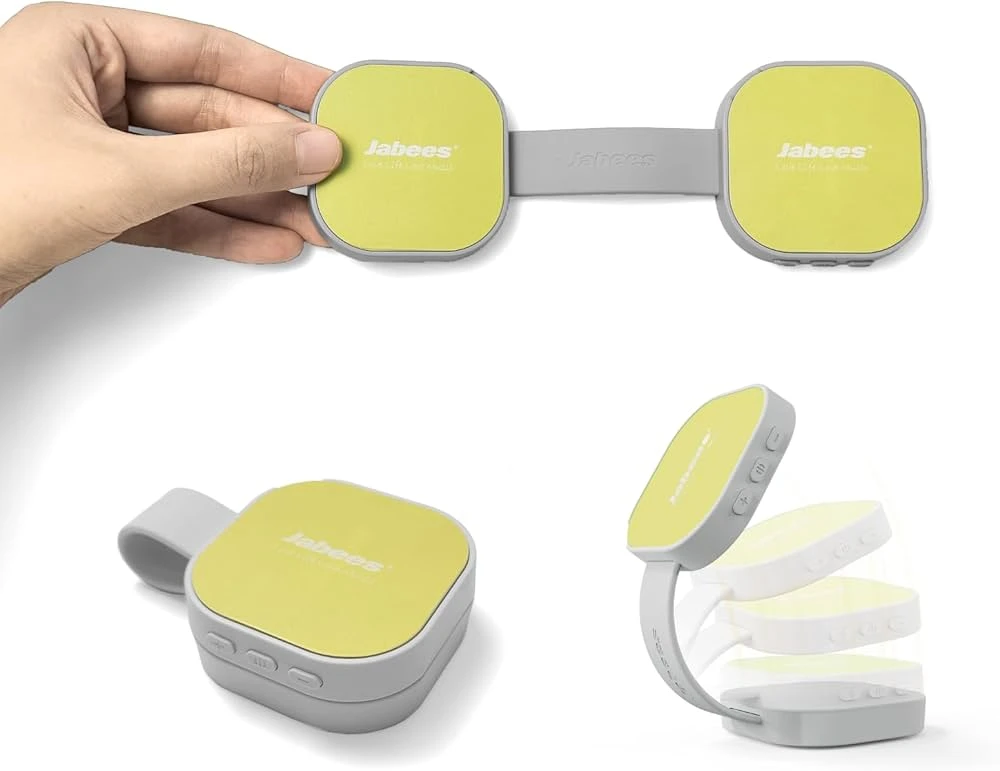
The trade-offs are part of the story too. These devices are not treating insomnia itself, only making one common coping strategy less uncomfortable and less intrusive. That limits the audience to people whose sleep is already linked to audio and whose bedrooms can accommodate a speaker designed to sit under a pillow rather than in the ear. A Best Buy listing for a similar model describes a device meant to help users fall asleep without disturbing others, and says it measures just 3.78 inches high and 0.47 inches wide, underscoring how aggressively these products are being miniaturized to disappear into bedding.
The broader market suggests sleep tech is still chasing the same promise with new packaging: quiet, privacy and a better night without friction. Ultra-thin builds, sleep timers, Bluetooth 5.4 or 6.0 and larger white-noise libraries are becoming the selling points. For chronic poor sleepers, that may be a useful workaround. For a country where adults still routinely fail to get the recommended 7 hours, it is also another reminder that consumer wellness gadgets are arriving in the shadow of a much larger sleep crisis.
Sources
- [1]techcrunch.com
- [2]cdc.gov
- [3]mayoclinic.org
- [4]nhlbi.nih.gov
- [5]avantree.com
- [6]jabees.com
- [7]prnewswire.com
- [8]bestbuy.com