Health
Understanding How Environment Impacts Cancer Risk
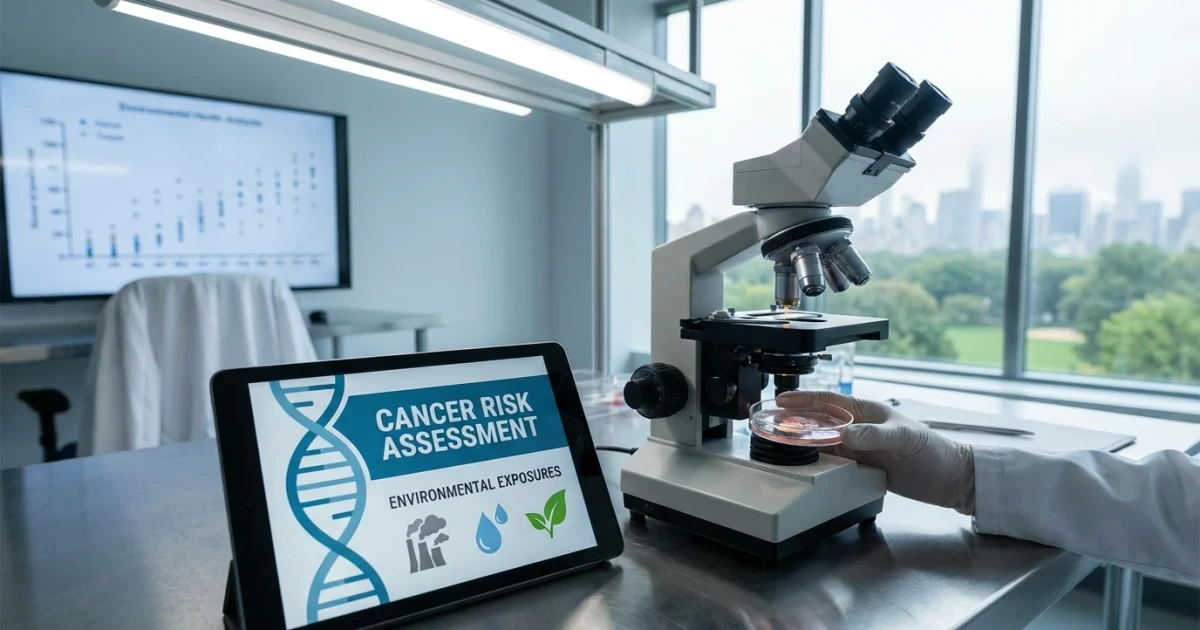
Cancer risk is shaped by a complex mix of genetic, lifestyle, and environmental factors. While genetics and personal habits often receive attention, public health experts emphasize that environmental exposures—from air pollution to chemicals in workplaces—play a significant role in cancer risk for individuals and communities.
What Are Environmental Cancer Risks?
According to the National Cancer Institute, environmental cancer risk factors include substances and exposures people encounter outside of genetic inheritance or personal lifestyle choices. These can range from pollutants in the air and water to chemicals found in household products and workplaces. The International Agency for Research on Cancer maintains a list of carcinogens—agents known or strongly suspected to cause cancer in humans—including tobacco smoke, asbestos, radon, formaldehyde, and certain pesticides.
- Air pollution: Fine particulates and chemicals in the air are linked to increased rates of lung cancer and other diseases. The EPA’s National Air Toxics Assessment offers data about cancer risk by location.
- Drinking water contaminants: Substances like arsenic and industrial solvents can increase cancer risk, particularly in communities with legacy pollution.
- Occupational exposures: Workers in industries such as construction, manufacturing, and agriculture may face higher risks due to exposure to carcinogens like asbestos, benzene, or pesticides.
How Big Is the Impact?
While only a portion of cancers are directly attributable to environmental exposures, the effects can be profound. Epidemiological studies suggest that up to 10 percent of cancers in the U.S. may be linked to environmental factors. The SEER Cancer Statistics program provides data on national cancer incidence and trends, helping to track the role of environmental risk over time.
According to the Washington Post guest column, oncologists see the impact of these risks in their patients, especially those from communities with high levels of air or water pollution, or those working in high-risk jobs. These exposures are often cumulative—meaning decades of contact, even at low levels, can add up to a significant increase in risk.
Reducing Risk and Promoting Prevention
Medical experts and public health agencies recommend several steps to minimize environmental cancer risks:
- Limit exposure: Be aware of known carcinogens in your environment and take steps to reduce contact. For example, use ventilation and protective gear in workplaces where hazardous substances are present.
- Test your environment: Home tests for radon, lead, and other contaminants can uncover hidden risks, especially in older buildings.
- Support regulation: Strong environmental policies and enforcement, such as those documented in EPA chemical assessments, are critical for community-wide protection.
- Stay informed: The CDC National Biomonitoring Program tracks chemical exposures in the population, helping identify new risks and set safety standards.
Cancer Types Linked to Environmental Risks
The National Cancer Institute provides a breakdown of cancers most closely linked to environmental exposures. These include lung cancer (air pollution, radon, asbestos), bladder cancer (industrial chemicals), and leukemia (benzene). Some rare cancers, such as mesothelioma, are almost exclusively caused by environmental or occupational exposures.
Challenges in Assessing Risk
One challenge oncologists and researchers face is that individual cancer risk depends on a multitude of factors. The same environmental exposure may not lead to cancer in every person, depending on genetic susceptibility and other variables. However, reducing environmental exposures benefits all, especially the most vulnerable—children, the elderly, and those with underlying health conditions.
Looking Ahead
Understanding and addressing environmental cancer risks requires both personal vigilance and community action. Ongoing research, careful regulation, and public awareness can reduce exposures and help prevent cancer before it starts. The Washington Post’s column underscores the importance of recognizing these risks and empowering individuals to advocate for safer environments at home, at work, and in their neighborhoods.