Health
Understanding Lipedema: Symptoms, Diagnosis, and Ongoing Challenges
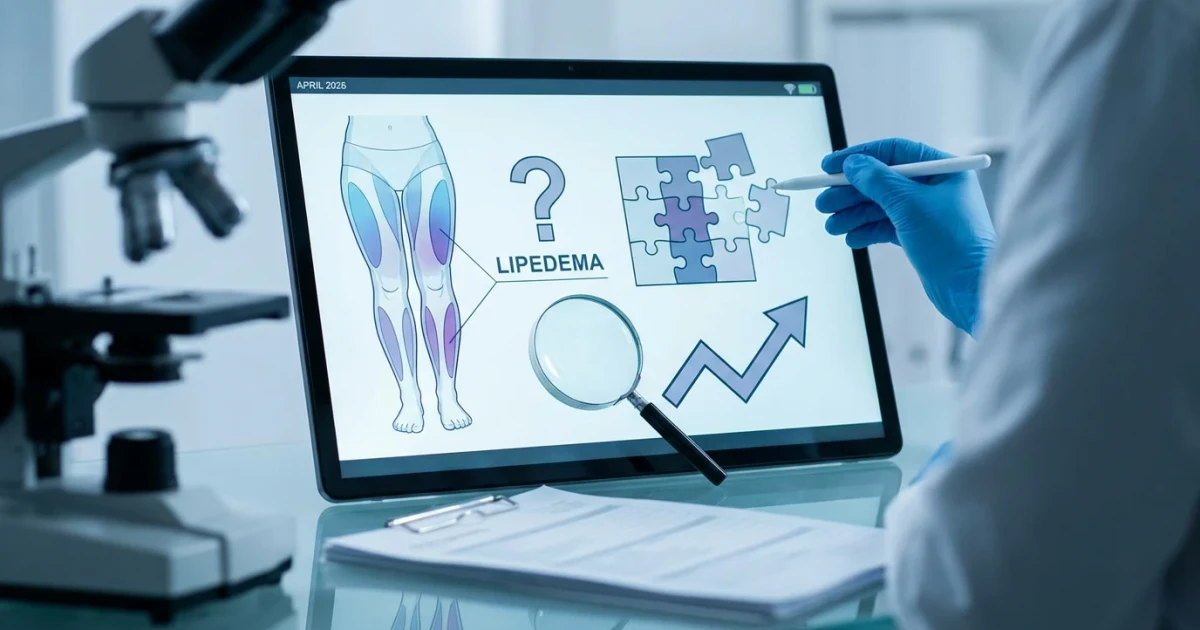
Lipedema, a chronic and often misunderstood condition, is drawing renewed attention as more individuals share their experiences with symptoms like puffy legs, persistent aches, and rippled skin. Despite its prevalence, many remain unaware of what distinguishes lipedema from other disorders, resulting in delays in diagnosis and treatment.
What Is Lipedema?
Lipedema is a chronic disorder of adipose tissue marked by a symmetrical buildup of fatty tissue, primarily affecting the legs and, less frequently, the arms. Unlike general obesity or ordinary weight gain, lipedema fat is often resistant to diet and exercise. Clinical features include:
- Swollen, puffy legs that worsen throughout the day
- Heavy, aching limbs with a sensation of pressure or discomfort
- Rippled or nodular skin texture, sometimes described as resembling an "orange peel"
- Easy bruising and tenderness
These symptoms can be both physically and emotionally challenging, with many patients facing frustration due to misdiagnosis or lack of recognition by healthcare providers. According to the National Institutes of Health, lipedema is often misidentified as obesity or lymphedema, further complicating effective care.
Who Is Affected and Why?
Lipedema almost exclusively affects women and is believed to have a hormonal component, as symptoms frequently emerge or worsen during puberty, pregnancy, or menopause. The Orphanet disease database reports that lipedema may impact up to 11% of women, though true prevalence is difficult to determine due to underdiagnosis and confusion with other conditions. Familial patterns suggest a genetic predisposition, with ongoing research supported by organizations like the Lipedema Foundation exploring hereditary factors and potential molecular pathways.
Diagnostic Challenges
One of the key reasons lipedema remains underrecognized is the overlap of symptoms with more common health issues such as obesity, venous disease, or lymphedema. Standard diagnostic criteria focus on clinical presentation—symmetrical fatty enlargement, sparing of hands and feet, pain, and easy bruising. However, there are currently no specific laboratory tests or imaging standards for a definitive diagnosis. This has led to widespread self-diagnosis, as highlighted in recent media coverage by The Guardian and others, with individuals seeking answers after years of unexplained symptoms.
Treatment Options and Ongoing Research
Management of lipedema typically involves a multidisciplinary approach. Conservative treatments include compression therapy, manual lymphatic drainage, and physical therapy to improve mobility and reduce discomfort. Some patients may pursue liposuction specifically designed for lipedema, though outcomes can vary. The medical community continues to call for more research into the condition, with the Lipedema Foundation supporting studies focused on genetics, pathophysiology, and new treatment modalities.
Rising Awareness and Advocacy
Public awareness is increasing as high-profile individuals and patient advocates share their stories, propelling the conversation around lipedema into the mainstream. This momentum is helping to reduce stigma, encourage earlier recognition, and drive research funding. However, significant gaps remain in clinical education and health policy, as highlighted by the Centers for Disease Control and Prevention, underscoring the need for continued advocacy.
Looking Ahead
Lipedema remains a complex and often overlooked condition, but increased visibility and research are paving the way for better understanding and care. As more is learned about its causes and management, patients and clinicians alike are hopeful for improved outcomes and a future where lipedema is recognized and treated as the significant public health issue it is.