Health
Understanding the Health Impacts of Excess Protein
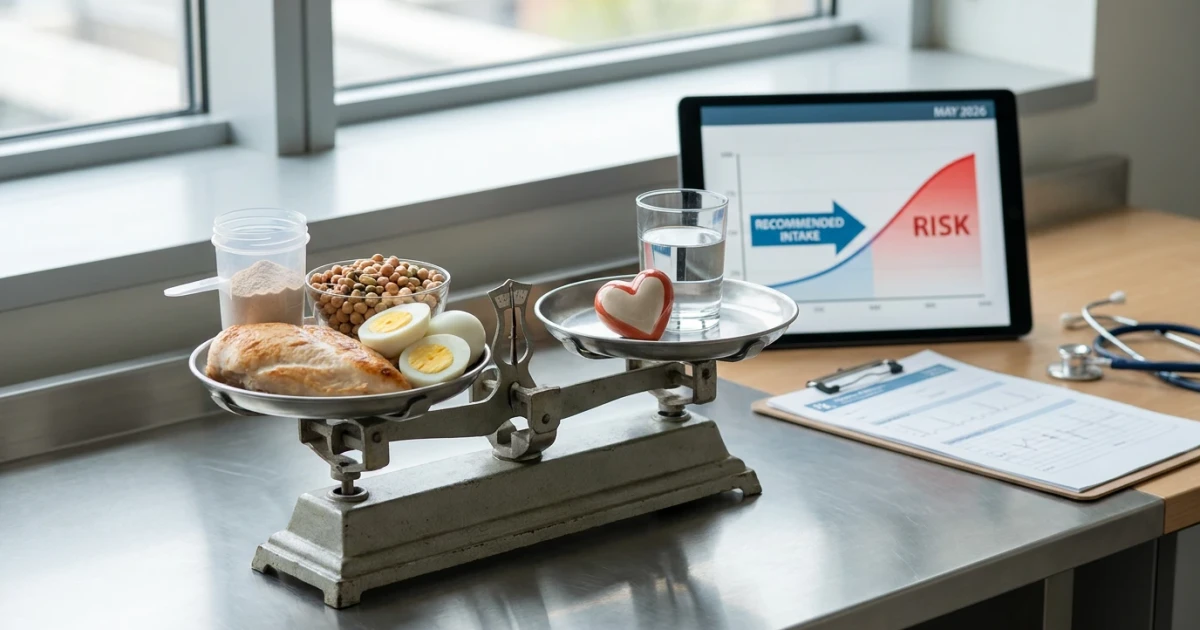
Protein is essential for muscle growth, immune function, and overall health, but recent reports—including a comprehensive overview by The New York Times—highlight the potential health risks associated with excessive protein consumption. As high-protein diets gain popularity, understanding the right balance becomes crucial for long-term well-being.
What Happens When You Eat Too Much Protein?
Most Americans consume more protein than the recommended daily amount, according to CDC data. While protein is vital for health, The New York Times notes that excessive intake can pose several health risks, particularly when intake consistently exceeds guidelines established by health authorities.
- Kidney Strain: Diets very high in protein can put extra stress on the kidneys, particularly in individuals with pre-existing kidney disease. The National Kidney Foundation explains that the kidneys must work harder to eliminate the byproducts of protein metabolism, which may worsen kidney function over time.
- Dehydration: High protein diets increase the production of urea, a waste product that is excreted in urine. This can lead to dehydration if fluid intake does not increase accordingly. The New York Times emphasizes that athletes or those on high-protein regimens should pay particular attention to their hydration status.
- Nutrient Deficiencies: Focusing heavily on protein can crowd out other essential nutrients, leading to possible deficiencies in fiber, vitamins, or minerals often found in fruits, vegetables, and whole grains.
- Digestive Issues: Overconsumption of protein, especially from animal sources, is associated with constipation and other digestive problems, mainly due to reduced fiber intake.
- Potential Long-Term Risks: Some research, as compiled in a systematic review of protein intake health effects, suggests a possible link between high protein diets and elevated risk of heart disease and certain cancers, though more studies are needed for conclusive evidence.
How Much Protein Do You Really Need?
Determining the right amount of protein depends on factors like age, sex, activity level, and health status. The USDA’s Dietary Reference Intakes (DRI) tables recommend that most adults consume about 0.8 grams of protein per kilogram of body weight per day. For an average adult, this translates to roughly 46 grams for women and 56 grams for men daily.
The NIH Office of Dietary Supplements provides a detailed breakdown of protein needs by age and stage of life, highlighting higher requirements for pregnant women, athletes, and older adults. However, the data also cautions against routinely exceeding these guidelines, especially through supplements or processed protein products.
Who Should Be Most Cautious?
While most healthy people can process excess protein without immediate harm, certain groups should be particularly mindful:
- Individuals with kidney disease
- People with a family history of kidney problems
- Those with digestive disorders aggravated by low-fiber diets
- Anyone considering high-protein diets for weight loss or bodybuilding
Balancing Your Diet for Optimal Health
Experts recommend a balanced approach: include a variety of protein sources, prioritize plant-based options like beans and lentils, and ensure adequate intake of fruits, vegetables, and whole grains. The CDC’s nutrition guidance offers practical strategies for meeting but not exceeding your daily protein needs.
Takeaway
While protein plays a key role in maintaining muscle and supporting overall health, too much can carry risks—especially if it comes at the expense of other nutrients. For most people, following established dietary guidelines and regularly reviewing protein sources is the best way to support health and longevity.