Health
Understanding Warts and Effective Home Treatments
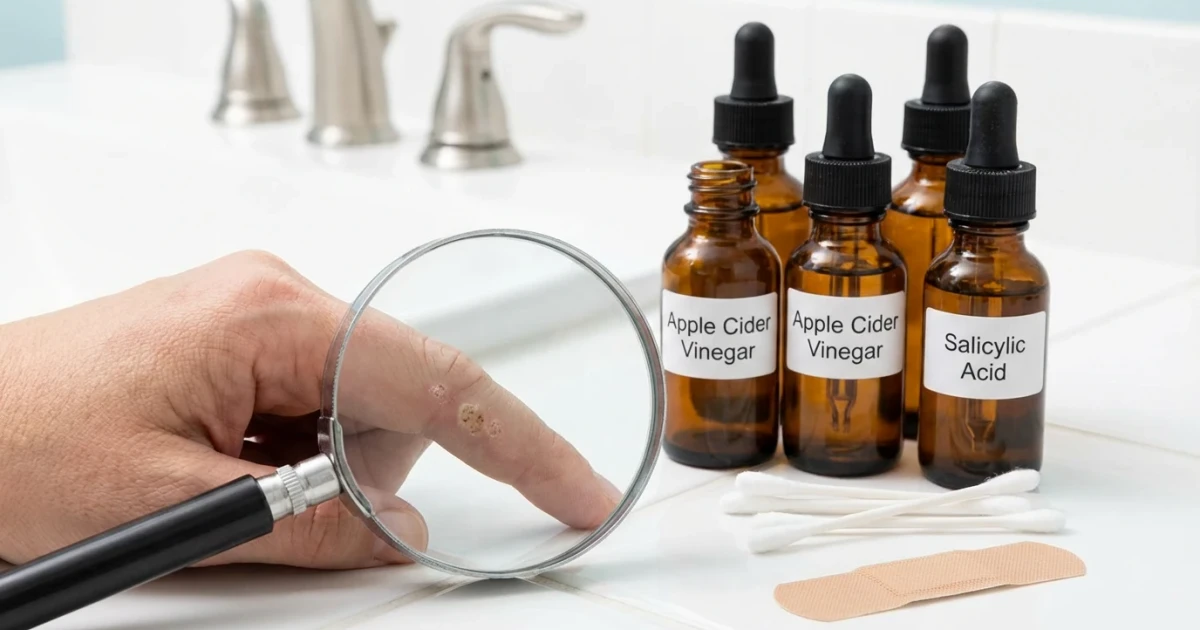
Warts are a frequent nuisance for people of all ages, raising questions about their origins, contagiousness, and the best ways to remove them at home. As public attention grows around skin health and self-care, understanding the facts about warts and available treatments has never been more important.
What Are Warts and Why Do They Occur?
Warts are noncancerous skin growths caused by infection with certain types of human papillomavirus (HPV). These growths can appear anywhere on the body but are most common on hands, fingers, and feet. According to the Centers for Disease Control and Prevention (CDC), the virus enters the skin through tiny cuts or abrasions, leading to the characteristic rough, raised bumps. While generally harmless, warts can be bothersome, especially if they cause discomfort or spread to other parts of the body.
Types of Warts
- Common warts (verruca vulgaris) usually appear on fingers and hands.
- Plantar warts grow on the soles of the feet and may feel like a pebble in your shoe.
- Flat warts are smoother and smaller, often appearing on the face or legs.
- Filiform warts feature thread-like projections, commonly on the face around the mouth or eyes.
Warts are especially common in children and teenagers, but adults can get them, too. Data from Statista shows that prevalence is highest in the pediatric population, with rates decreasing as age increases.
How Do Warts Spread?
Warts are contagious and can be passed through direct or indirect contact. The CDC notes that activities such as sharing towels, walking barefoot in communal showers, or biting nails can increase the risk of transmission. While not everyone exposed to HPV develops warts, maintaining good hygiene and avoiding skin-to-skin contact with existing warts can reduce the likelihood of infection.
Treating Warts at Home
Many warts resolve on their own, but some persist and may require intervention. Home treatment is often effective for common and plantar warts. The American Academy of Dermatology and other medical sources recommend several approaches:
- Salicylic acid is an over-the-counter treatment applied directly to the wart. It works by gradually peeling away the infected skin. Consistency is key; it may take weeks or months of daily use to see results.
- Duct tape occlusion therapy involves covering the wart with duct tape for several days, then soaking and gently filing the area. Some studies support this method, but results can be variable.
- Freezing sprays (cryotherapy) are available for home use and freeze the wart tissue, causing it to eventually fall off. Multiple applications may be required.
For a detailed look at the effectiveness and safety of these home remedies, readers can consult this comprehensive guide by the American Academy of Dermatology.
When to See a Doctor
While most warts are harmless, there are situations where professional medical advice is warranted. Seek guidance if:
- The wart is painful, bleeds, or rapidly changes appearance
- There are signs of infection (redness, warmth, swelling)
- Warts persist despite several months of home treatment
- You have underlying health conditions or a weakened immune system
The UK's National Institute for Health and Care Excellence (NICE) offers clinical guidance on when to escalate care and options for medical removal.
Prevention and Outlook
Preventative strategies focus on reducing exposure to HPV and minimizing spread. These include:
- Avoiding direct contact with warts (your own or others')
- Keeping skin clean and dry
- Wearing footwear in communal areas
- Not sharing personal items such as razors or towels
Most warts eventually disappear on their own, but effective home treatment can speed recovery and reduce the risk of spreading to others. For those seeking additional information, the CDC provides detailed resources on types, causes, and prevention, while medical references like StatPearls offer insights into clinical management and epidemiology.
As research continues into the most effective treatments, individuals can feel confident that most common warts are manageable at home with patience and care. Remaining informed and vigilant is the best defense against persistent or spreading warts.