World
UNESCO adds Normandy D-Day beaches, Mount Olympus to World Heritage List
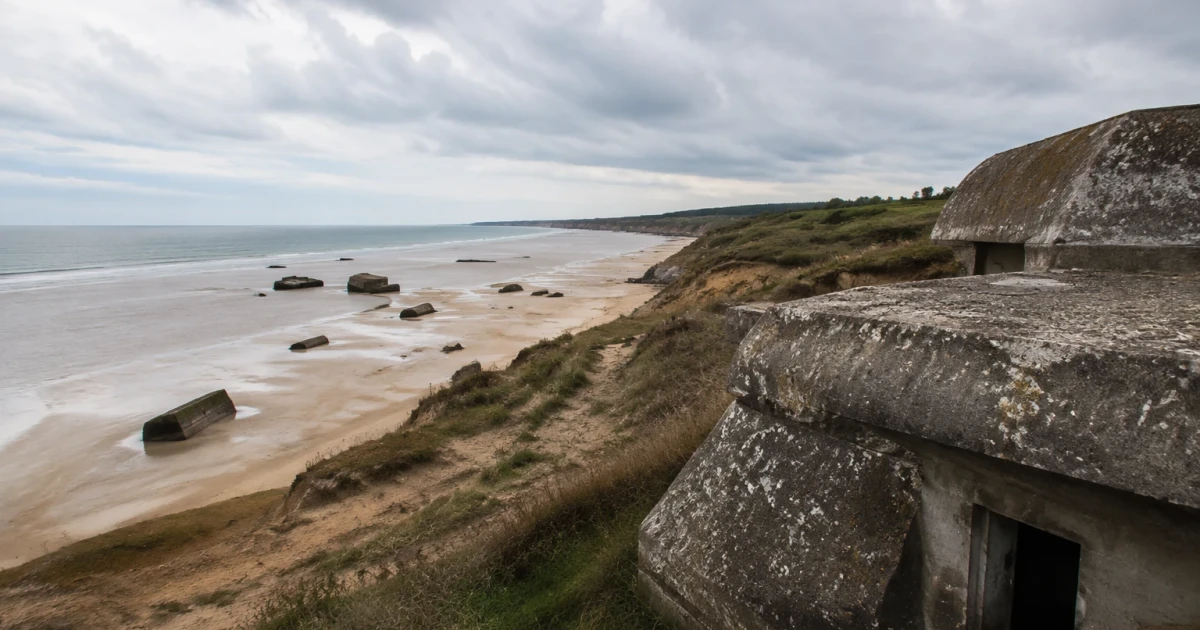
UNESCO added France’s D-Day landing beaches and Greece’s Mount Olympus to its World Heritage List during the committee’s 48th session in Busan, South Korea, bringing formal heritage status to two places already central to European memory and identity. The committee reviewed dozens of nominations at the July 19 to 29 meeting.
The Normandy listing, titled Beaches of the D-Day Landings, Normandy, 1944, covers an 80-kilometre stretch of coastline in northwest France that includes Utah Beach, Omaha Beach, Gold Beach, Juno Beach and Sword Beach. The shoreline was the site of the Allied landings in Europe on June 6, 1944, a military operation that became one of the defining events of the war against Nazi Germany and its allies.
Mount Olympus rises to 2,918 meters, or 9,573 feet, and is described as the mythological home of the 12 Olympian gods. UNESCO background material classifies the Greek nomination as a mixed site, reflecting both natural and cultural value. Greece formally submitted the mountain for consideration before the vote, turning a long-running cultural campaign into a World Heritage inscription.
The designation carries practical consequences beyond prestige. World Heritage status can steer tourism flows, strengthen preservation arguments and put added pressure on governments to protect sites from development and neglect. UNESCO says World Heritage sites are vulnerable to uncontrolled urban development, unsustainable tourism practices, neglect, natural calamities, pollution, political instability and conflict, all risks that can affect places as different as a war cemetery coastline and a mountain landscape tied to ancient religion.
For Normandy, the listing reinforces the beaches’ role as a memorial landscape for the Allied landings and the liberation of Europe. Normandy tourism officials had publicly welcomed the application in March 2026, as regional authorities looked to widen recognition of a site already drawing visitors, veterans’ families and commemorative events. For Greece, the inscription places Mount Olympus in a category that joins ecological stewardship with cultural reverence, since the mountain is both the country’s highest peak and a symbol of national identity.
The decision also shows how UNESCO defines value across different kinds of heritage. In Normandy, the asset is remembered history made visible in sand and shoreline. In Greece, it is a living mountain where myth, biodiversity and national symbolism overlap. By listing both, UNESCO expanded the World Heritage map with sites that carry economic weight, public memory and political responsibility at the same time.
Sources
- [1]apnews.com
- [2]usnews.com
- [3]france24.com
- [4]whc.unesco.org
- [5]rfi.fr
- [6]pbs.org
- [7]euronews.com
- [8]en.normandie-tourisme.fr
- [9]theguardian.com
- [10]unesco.org