World
UNESCO urges debt swaps to ease pressure on education budgets
UNESCO used a Paris summit on 10 July to press governments and international lenders to expand debt-for-education swaps, a financing tool it says can turn costly sovereign debt into money for schools, teacher training and student support. The agency said it will launch a comprehensive technical guide to help governments structure the deals.
The push comes as UNESCO’s Global Education Monitoring Report warns that total education aid is headed for a one-quarter decline by 2027. That forecast is based on a 12% drop between 2023 and 2024, followed by a further 14% cut expected by 2027. UNESCO says low-income countries receive aid equal to 17% of public education spending, and that the shrinking flow could push some education budgets toward a 50% cut.
At the summit, UNESCO brought together President Cyril Ramaphosa of South Africa, more than 25 education ministers, economist Vera Songwe and performer Audrey Nuna. The agency framed the debt-swap push as part of a wider financing crisis: UNESCO says 113 countries, home to 6.1 billion people, now spend more on debt servicing than on education, and in low-income countries debt payments are nearly four times higher than education spending. In 18 of the most heavily indebted countries, debt service exceeds education budgets by at least fivefold.
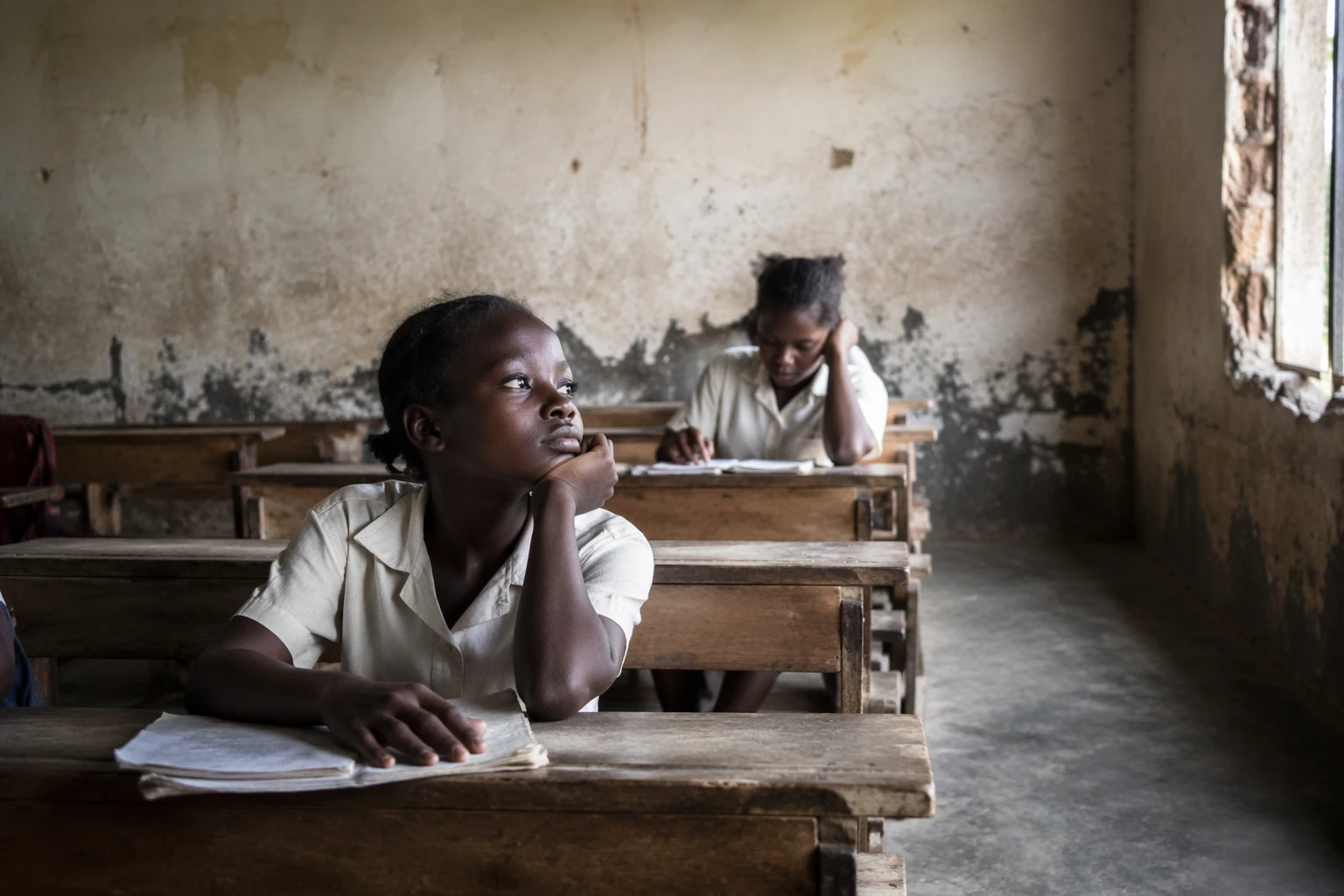
Debt-for-education swaps are meant to solve a practical problem: heavily indebted countries refinance or buy back expensive debt, then direct the savings into classrooms instead of creditors. UNESCO pointed to a 2023 agreement with France and Ivory Coast that helped finance the construction of more than 30 schools, and a Spain-Peru program that supported 50 education projects over a decade. Those examples show why the idea attracts attention, but they also show how few large, named deals have been completed.
The World Bank has recently begun backing some of these swaps, giving the model more institutional weight. In Côte d’Ivoire, the bank says its debt-swap operation will replace expensive debt with cheaper financing, with most of the savings used to build schools that will benefit 30,000 students.
UNESCO says the need is larger than any single transaction. The agency puts the annual education finance gap at almost $100 billion by 2030, a shortfall that leaves governments squeezed between debt obligations and basic school services. Its message in Paris was blunt: without new financing, the burden of global borrowing costs and falling aid will keep landing on classrooms first.
Sources
- [1]usnews.com
- [2]unesco.org
- [3]un.org
- [4]worldbank.org