World
UNICEF says almost all children face at least one climate hazard
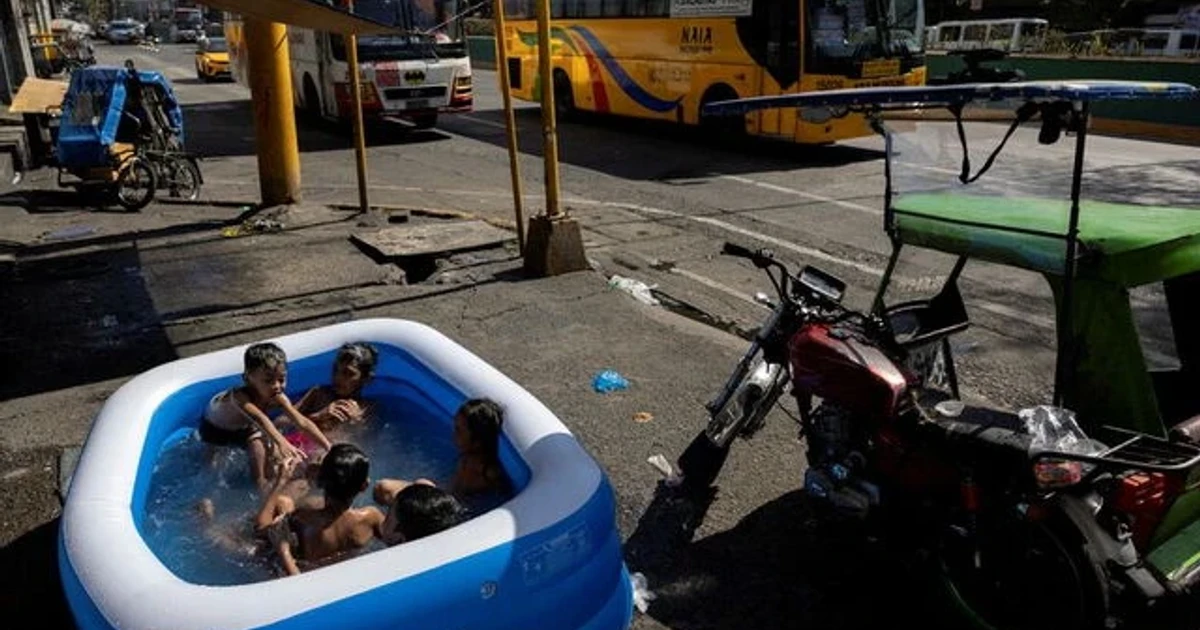
Almost every child in the world is now exposed to at least one climate hazard, and more than 1.1 billion face three or more at once. UNICEF said the overlapping shocks are no longer only a weather story: they are sending children out of class, into unsafe water, and into health systems too weak to absorb the strain.
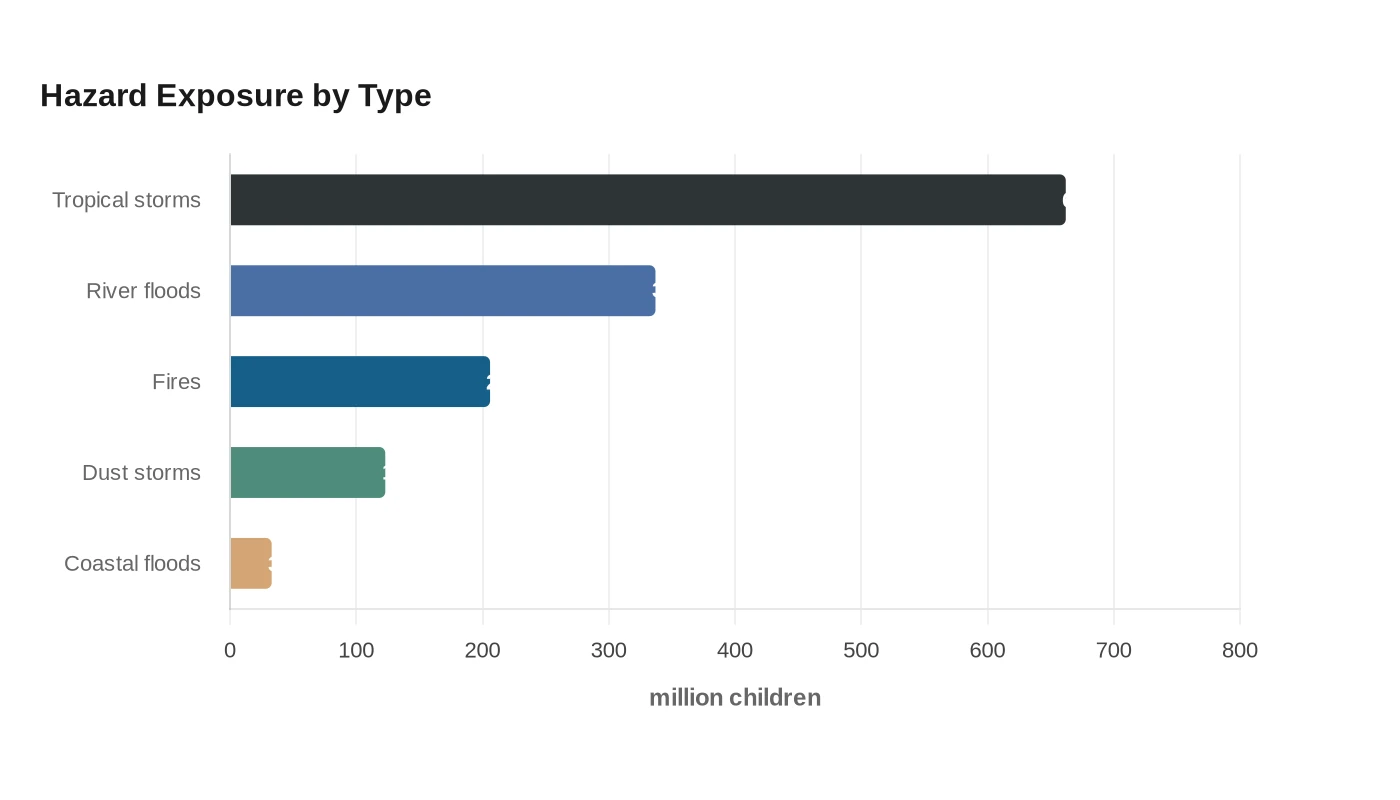
The agency’s Children’s Climate Risk Report 2026 mapped eight hazards, including coastal floods, drought, extreme heat, fire, heatwaves, riverine floods, sand and dust storms, and tropical storms. It found 1.5 billion children exposed to heatwaves, 1.2 billion to extreme heat conditions, 1.8 billion to drought, and 662 million to tropical storms. Another 337 million live in areas exposed to riverine flooding, 33 million to coastal floods, 206 million to frequent and severe fires, and 123 million to sand and dust storms. UNICEF said 1 billion children live in areas exposed to malaria, while air pollution affects nearly every child globally.
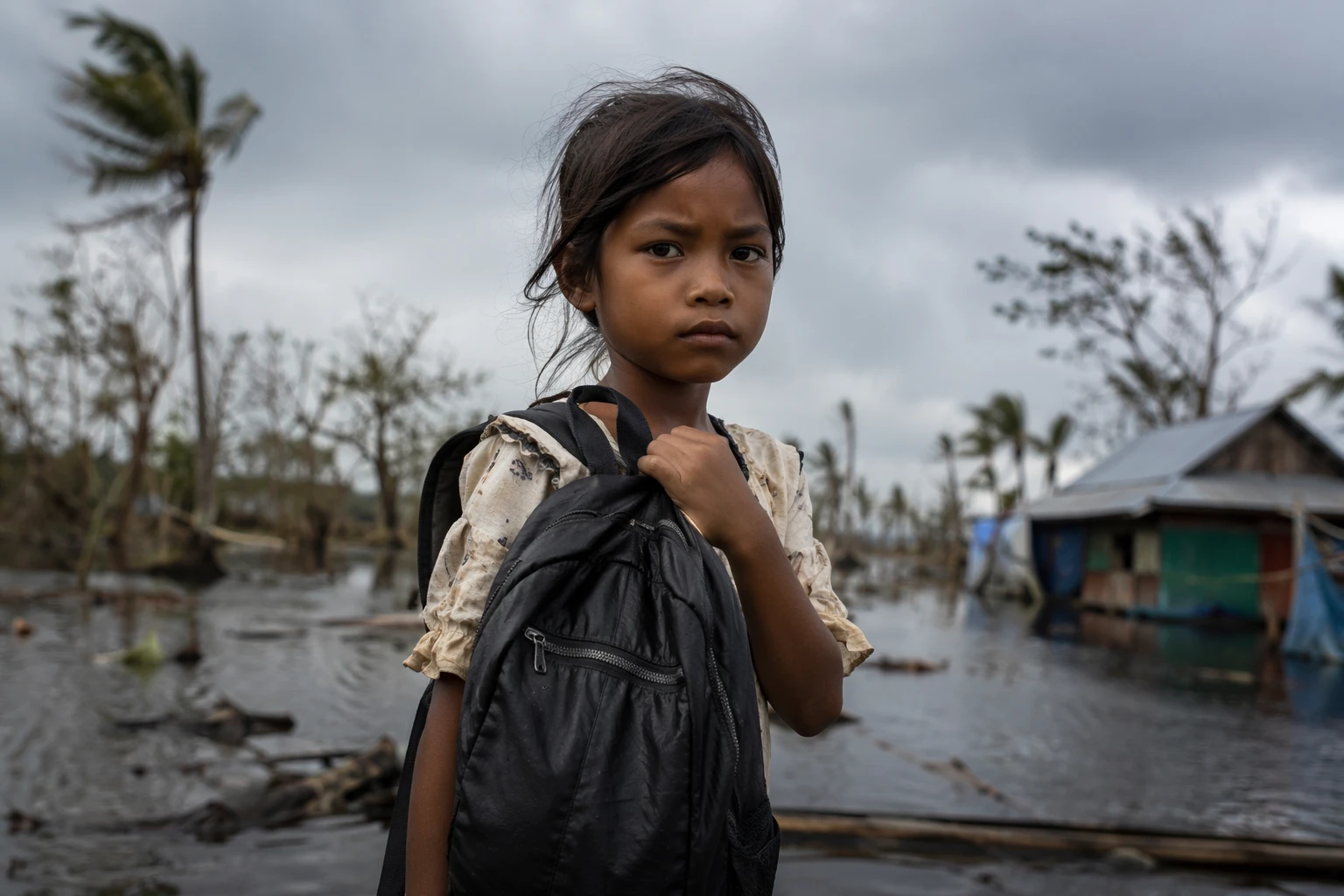
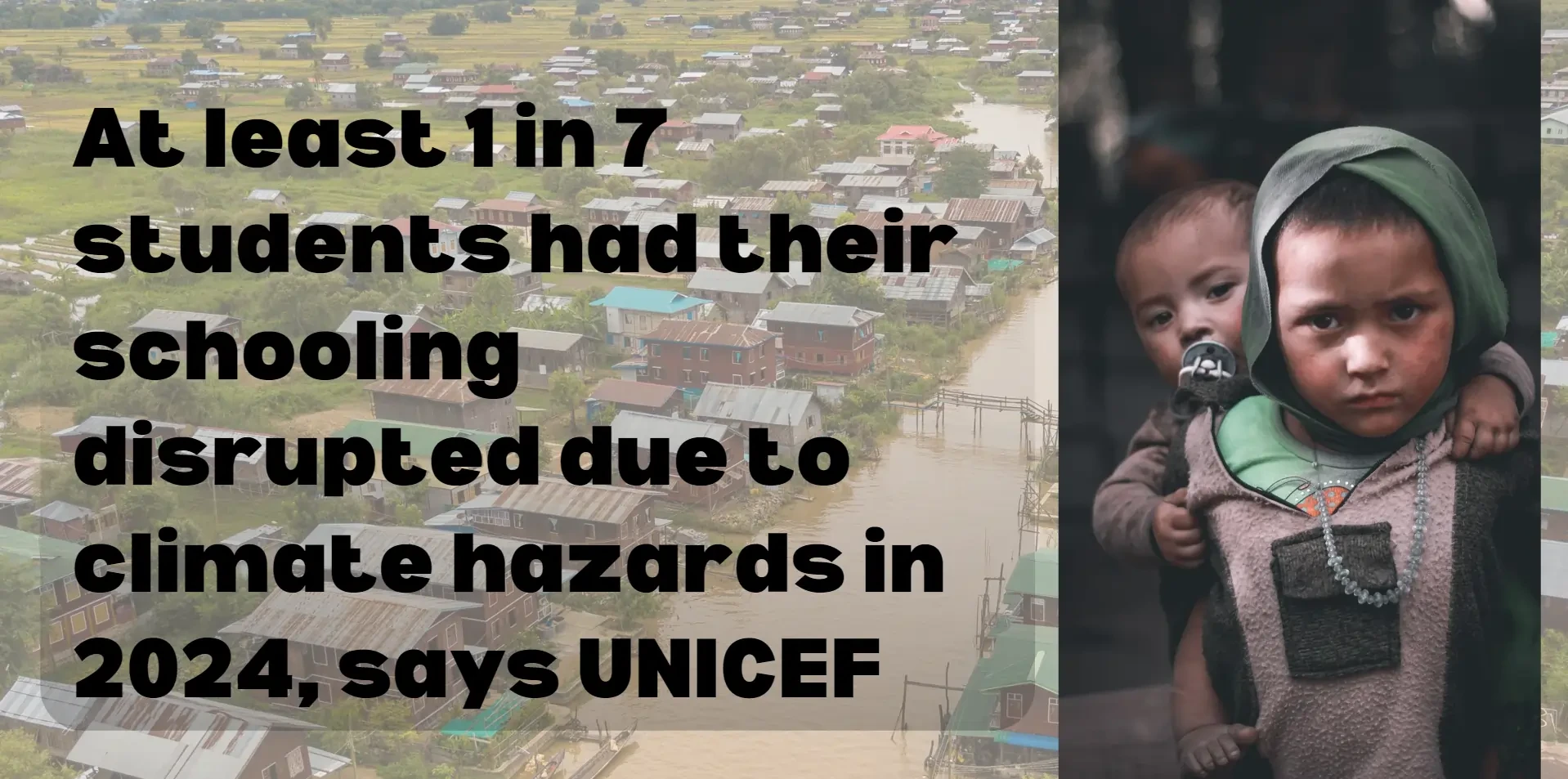
The numbers point to a protection gap that stretches far beyond emergency response. UNICEF said the analysis combines hazard exposure with access to health care, water, sanitation and hygiene, nutrition, education, protection and social protection, showing how climate shocks can translate into disease exposure, lost learning and deeper poverty. In 2024, 242 million children in 85 countries had their schooling disrupted by climate hazards, a sign that the damage reaches classrooms as well as homes and roads. UNICEF’s statistics manager, Rohini Sampoornam Swaminathan, said the danger is not only single events such as floods or heat waves but multiple hazards striking at once.

That overlap is most severe in places already under pressure. UNICEF identified Somalia, Madagascar, Myanmar, Cambodia and Pakistan among the most vulnerable countries, and said children in agriculture-dependent economies and landlocked states are especially exposed to drought, desertification, heat stress and flash flooding. The most common triple threat is drought, extreme heat and heatwaves, affecting more than 296 million children, while more than 115 million face drought, extreme heat and tropical storms together. UNICEF highlighted a March 2025 tropical storm in Madagascar that destroyed a school classroom and displaced nearly half of the more than 26,000 people affected.
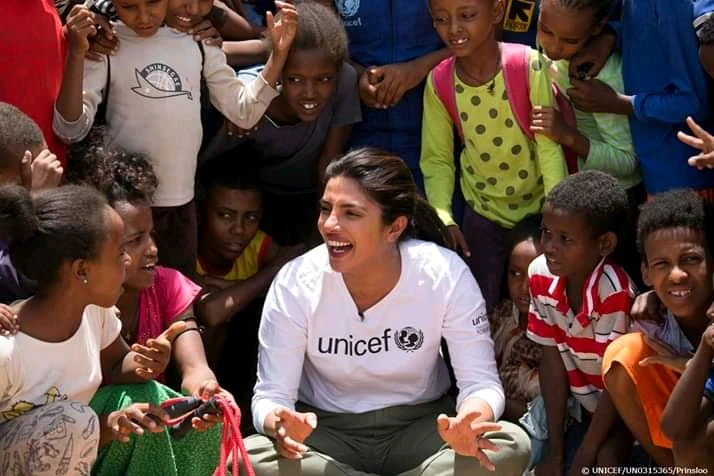
UNICEF Executive Director Catherine Russell said children’s lives are being upended by heatwaves, wildfires, droughts and floods. The report’s message was blunt: governments already have years of evidence, but child health systems, school buildings and disaster defenses are still lagging behind the risks children face every day.
Sources
- [1]usnews.com
- [2]unicef.org
- [3]data.unicef.org
- [4]news.un.org
- [5]unicef.org.uk