Business
Unilever raises outlook after strongest volume growth in more than a decade
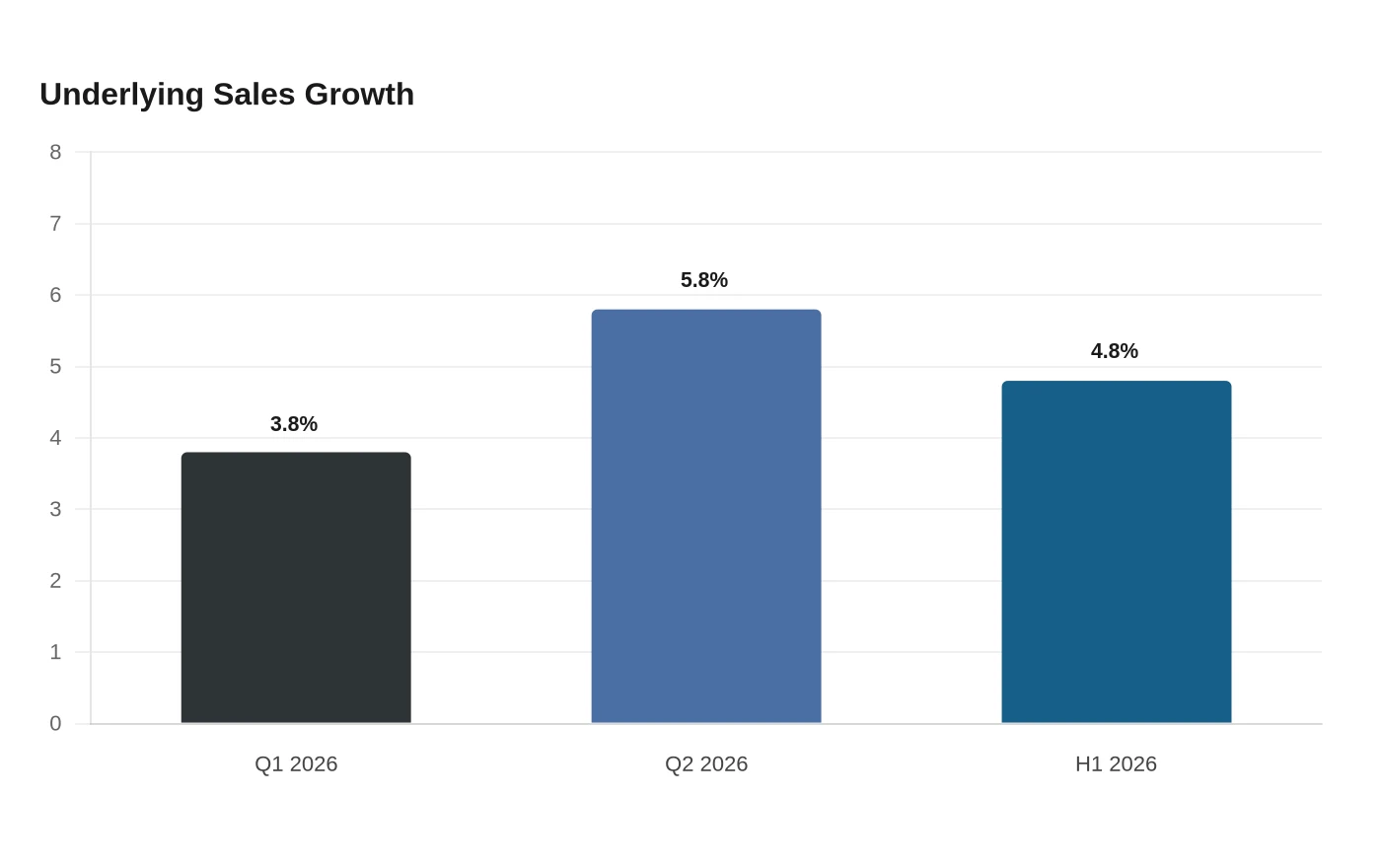
Unilever raised its outlook after posting its strongest volume growth in more than a decade, a sign that shoppers are still reaching for its home care, beauty and personal care brands even with household budgets under pressure. The company said on July 28 that second-quarter underlying sales rose 5.8%, with volume growth of 5.5%, far ahead of price growth and enough to push it to stronger guidance.
That volume mix matters for the consumer wallet. In Unilever’s first-half 2026 results, underlying sales growth was 4.8%, driven by 4.2% volume growth and just 0.6% price growth, suggesting the company’s sales momentum was coming more from units sold than from higher shelf prices. Turnover reached €25.6 billion, up 0.5%, while underlying operating margin was 20.3%, up 10 basis points. Gross margin was 46.8%, and competitive brand and marketing investment came in at 16.1%, showing the company is still spending to defend its brands as demand improves.
The strongest performance came from Unilever’s Power Brands, which represented 78% of turnover and delivered 6.0% underlying sales growth and 5.4% volume growth in the half. In the first quarter, those brands had already posted 5.0% underlying sales growth and 4.0% volume growth, while total group underlying sales growth was 3.8%, with volume growth of 2.9% and price growth of 0.9%. First-quarter turnover was €12.6 billion, down 3.3% as currencies and portfolio changes offset the underlying improvement.
The regional picture also pointed to more than a one-off price effect. Unilever said first-quarter emerging-market momentum was led by strong growth in India and a good recovery in Latin America. That is important because those markets often show the first signs of whether consumers are trading back up to branded goods or simply buying more selectively within essentials.
Unilever’s investor-relations calendar had set the Q2 and half-year results for July 28, with a webcast hosted by chief executive Fernando Fernandez and chief financial officer Srinivas Phatak. The company’s pre-close materials said the underlying financial information was presented excluding Ice Cream unless otherwise noted, reflecting the portfolio reshaping that has been under way inside the group.
For packaged-goods investors, the key question is whether Unilever’s volume surge reflects genuine demand recovery, stronger promotion and distribution, or category-specific resilience in staples that can hold up even when consumers remain cautious. The company’s latest numbers suggest all three may be playing some role, but the balance has shifted far enough toward volume to justify a better outlook.
Sources
- [1]reuters.com
- [2]unilever.com