Business
Unilever weighs bid for U.S. supplements maker Thorne
Unilever is exploring a bid for Thorne, the South Carolina supplements maker now valued at up to $4 billion, in a move that would deepen the consumer giant’s push into beauty, wellbeing and health-focused brands.
The possible deal fits a broader portfolio reset under chief executive Fernando Fernandez, who took over in March 2025 and has been steering Unilever away from slower-growing parts of its food business and toward categories with stronger growth and consumer loyalty. A Thorne purchase would not be a one-off bet on wellness. It would mark another step in a strategy built around higher-margin, health-oriented brands that can travel across retail shelves, e-commerce and direct-to-consumer channels.
Thorne sells dietary supplements including magnesium and omega-3 products, with most of its business in the United States. That places it inside a U.S. supplements market worth roughly $70 billion, where growth has drawn consumer companies that want exposure to vitamins, wellness and preventative health spending. Thorne’s ownership history also underscores the leap in valuation now on the table: L Catterton, the private-equity firm backed by LVMH, bought the company in 2023 for $680 million. A sale near the current $4 billion mark would represent a sharp re-rating in less than three years.
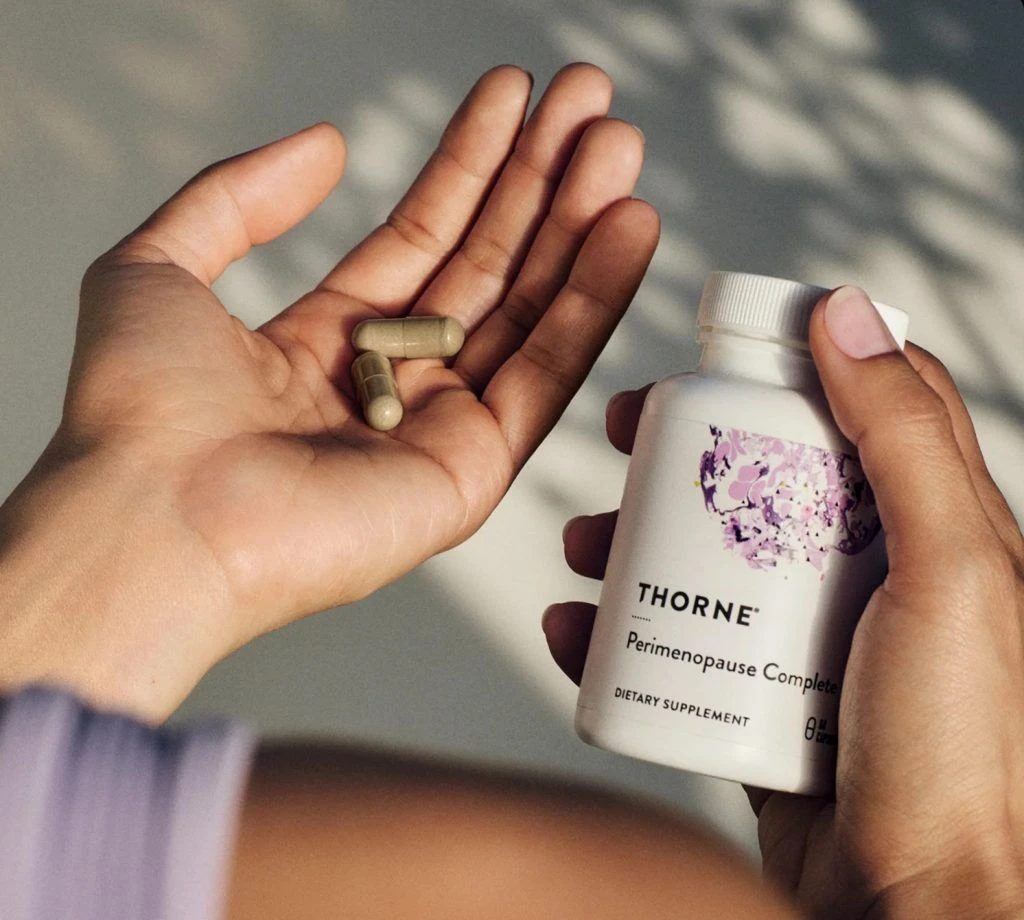
The attraction is not just Thorne’s brand. The company sits in a category where buyers can build repeat purchase behavior, premium pricing and cross-channel distribution, all of which are more attractive than the volume pressures facing much of packaged food. That is why the company has already pulled in interest from more than one strategic buyer, including Haleon, which also bid for Thorne, making the process a contest among consumer-health players trying to expand in one of the faster-growing corners of wellness.

Unilever has already shown where it wants to place its chips. It bought Nutrafol in 2022, SmartyPants Vitamins in 2020 and Olly Nutrition in 2019, adding to a portfolio that has increasingly leaned toward health-adjacent consumer brands. It has also said it would combine its food business with U.S. spice maker McCormick and bought U.S.-based nutritional supplements brand Grüns, moves that point to a more focused mix of categories with better long-term growth prospects. If Unilever moves ahead on Thorne, the question will be whether it is building a durable health platform or simply paying up for relevance in a crowded wellness market.
Sources
- [1]kfgo.com