Sports
Unions plan protest at capital's World Cup stadium as event begins
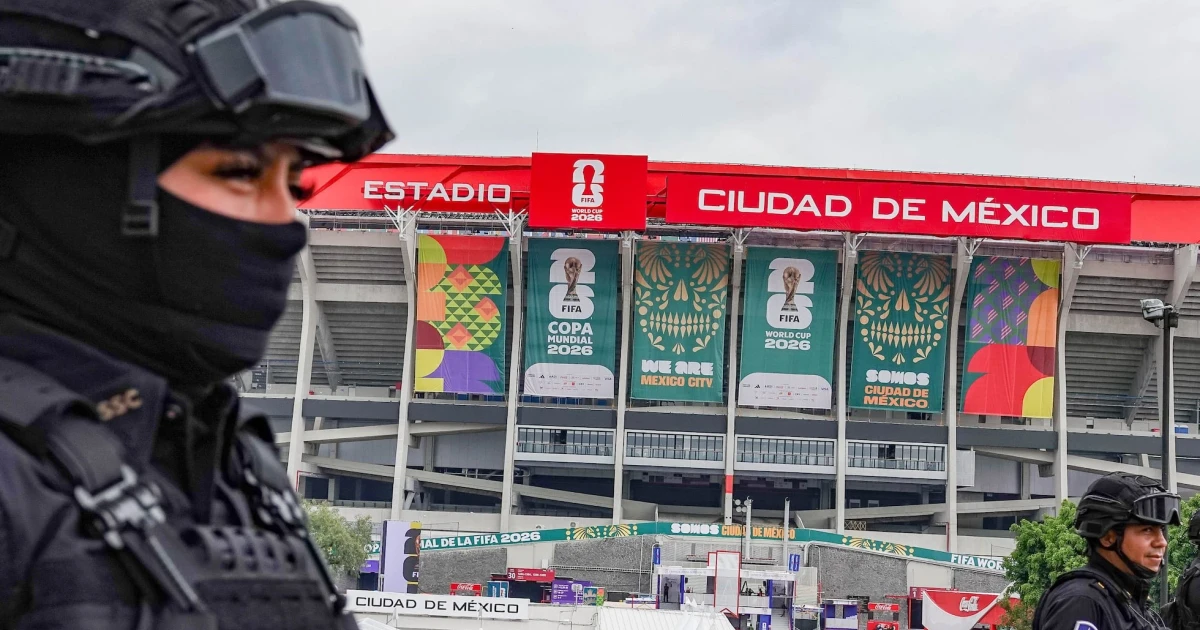
Union protesters and other groups collided with Mexico City’s World Cup spectacle on Thursday, using the tournament’s opening day to push long-running grievances into the global spotlight. As fans gathered for the opener at Azteca Stadium, officials faced the twin test of protecting the event’s image and avoiding a crackdown that could deepen the anger the protests were meant to expose.
The most organized challenge came from the CNTE, a dissident wing of Mexico’s teachers’ union, which rejected the government’s 9% salary increase and threatened protests, blockades and even a national strike during the World Cup. Union leader Pedro Hernández told demonstrators, “If there is no solution, the ball won’t roll,” as teachers demanded repeal of the 2007 ISSSTE pension law, higher wages and better working conditions.
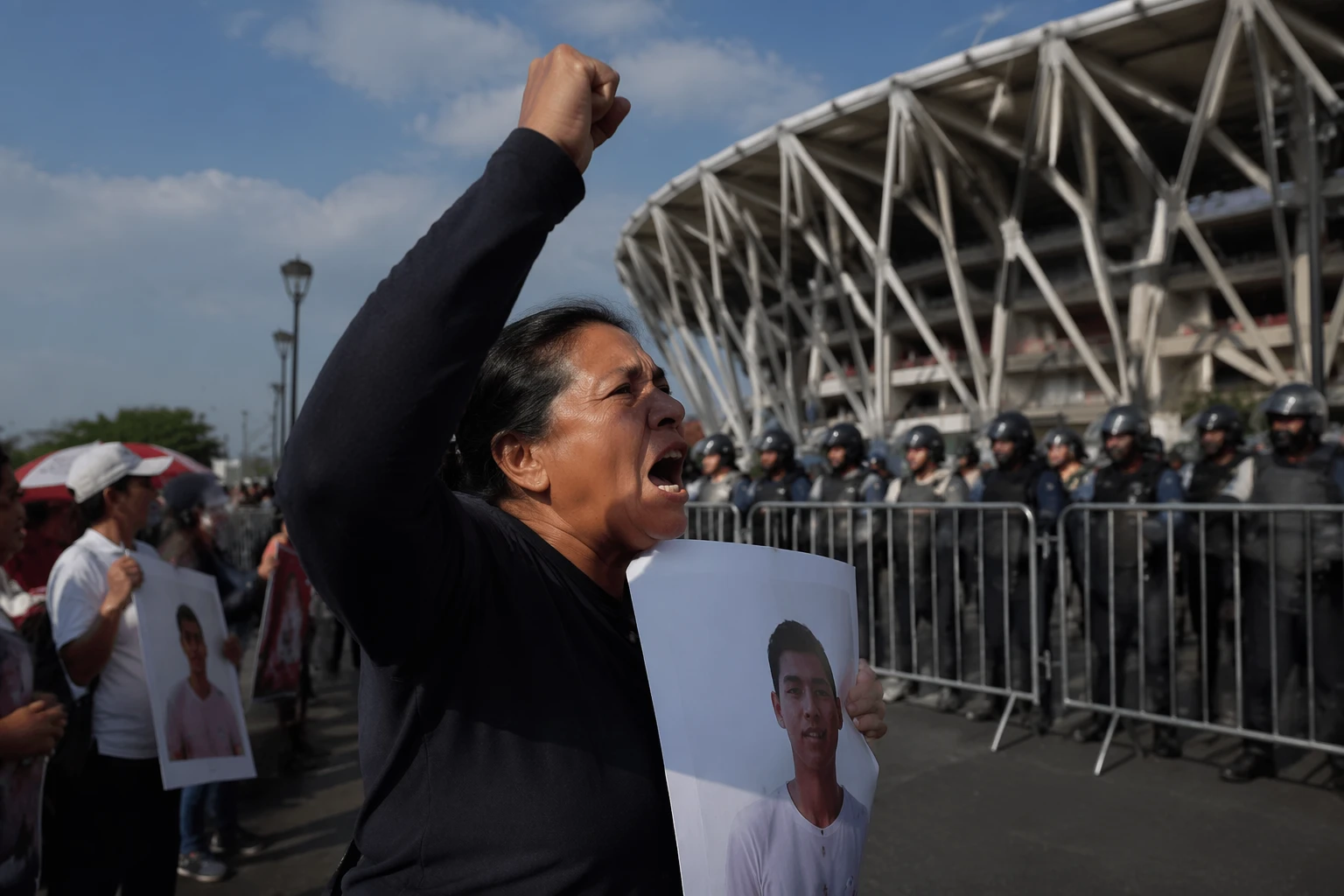
The protests were not limited to teachers. Agricultural producer groups announced mobilizations in Mexico City, Guadalajara and Monterrey, while families searching for missing relatives marched toward the stadium carrying candles and photographs of loved ones. More than 1,000 relatives of missing people took part in one march, and political analyst Carlos Pérez Ricart said the World Cup put the government in a vulnerable position because it was trying to project an image to the world that did not match daily reality.
Authorities spent days trying to contain the fallout. President Claudia Sheinbaum said it was still unclear whether Mexico City could host its free fan festival on opening night because a teachers’ protest camp had blocked access to the plaza, and she said her government would prioritize dialogue rather than repression. Officials also accelerated tournament preparations as the opening ceremony and Mexico’s match against South Africa approached, a sign that the World Cup was being treated not just as a sporting showcase but as a political stress test for the capital.
Sources
- [1]nytimes.com