Business
United Airlines Increases Checked Bag Fee Amid Rising Fuel Costs
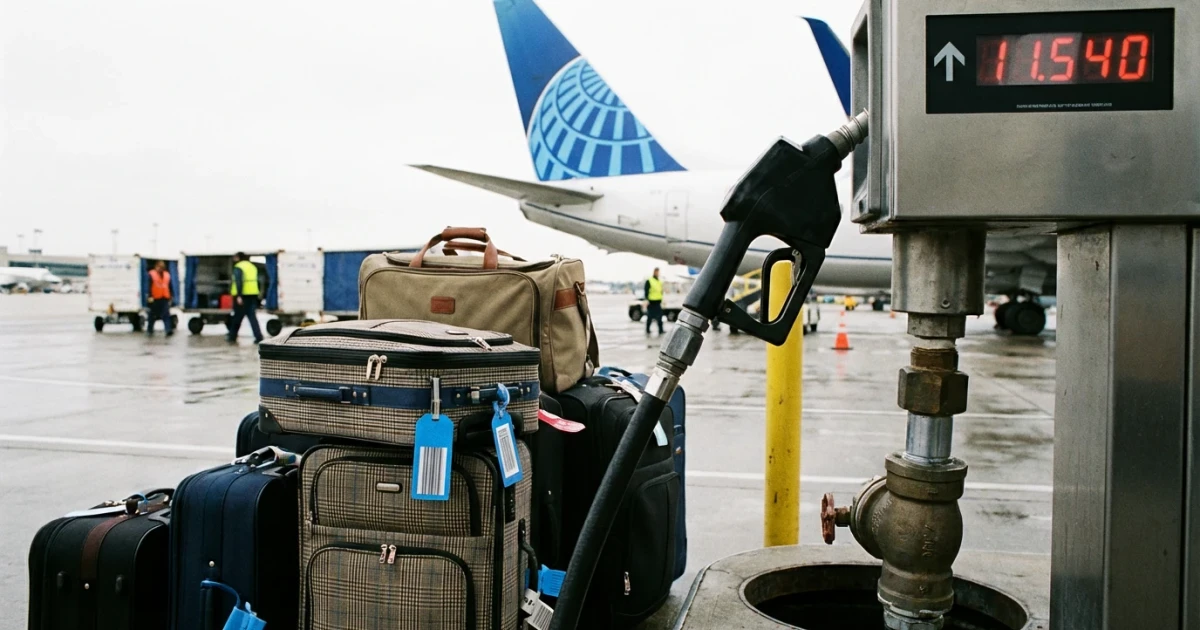
United Airlines passengers will soon pay more to check a bag, as the carrier raises its fee by $10 in response to continued increases in fuel prices. The decision, reported by CNBC, follows a broader trend within the airline industry as companies adjust to heightened operating expenses.
Fuel Prices Drive Fee Hikes
United’s move comes as jet fuel prices have remained elevated, putting pressure on airline profit margins. According to data from the U.S. Energy Information Administration, average spot prices for Gulf Coast kerosene-type jet fuel have been trending upward since the previous year, driven by global supply and demand dynamics. Airlines often cite fuel as one of their largest and most volatile costs, prompting adjustments in ancillary fees to offset these fluctuations.
Industry-Wide Fee Increases
United is not alone in passing on higher costs to consumers. CNBC also referenced similar increases by other major carriers, including JetBlue, which recently raised its checked bag fees citing the same fuel cost pressures. These fee hikes are part of a larger pattern, as U.S. airlines collectively earned a record $6 billion in baggage fees in 2023, based on data from the Bureau of Transportation Statistics. This figure underscores the growing reliance on ancillary revenues beyond base ticket prices.
- United Airlines’ checked bag fee now stands at $10 higher than before, which, according to its official fee schedule, brings the cost for the first checked bag on a domestic flight to $40 or more, depending on booking method and timing.
- Other major carriers such as Delta and American have also adjusted their checked baggage fees in recent years, typically aligning prices within a similar range.
- Industry analysis by the International Air Transport Association (IATA) shows that ancillary revenues—including baggage fees—make up a growing share of airline income.
Impact on Travelers
For many travelers, these recurring fee increases represent a significant addition to the total cost of flying. While airlines point to rising expenses, especially fuel, critics argue that the proliferation of fees has made it harder for consumers to compare the real cost of travel. Online resources like the Airline Baggage Fees Comparison Chart help passengers understand and plan for these extra costs, but the landscape remains complex and ever-changing.
Looking Ahead
With fuel prices remaining unpredictable and airlines focused on maintaining profitability, experts expect ancillary fees like baggage charges to stay elevated or even increase further. For passengers, careful planning and reviewing each airline’s specific policies are more important than ever when budgeting for air travel. Industry observers will be watching to see if heightened consumer frustration prompts regulatory scrutiny or new pricing transparency measures in the future.