Business
United Jet Incident Highlights Ongoing Runway Safety Concerns
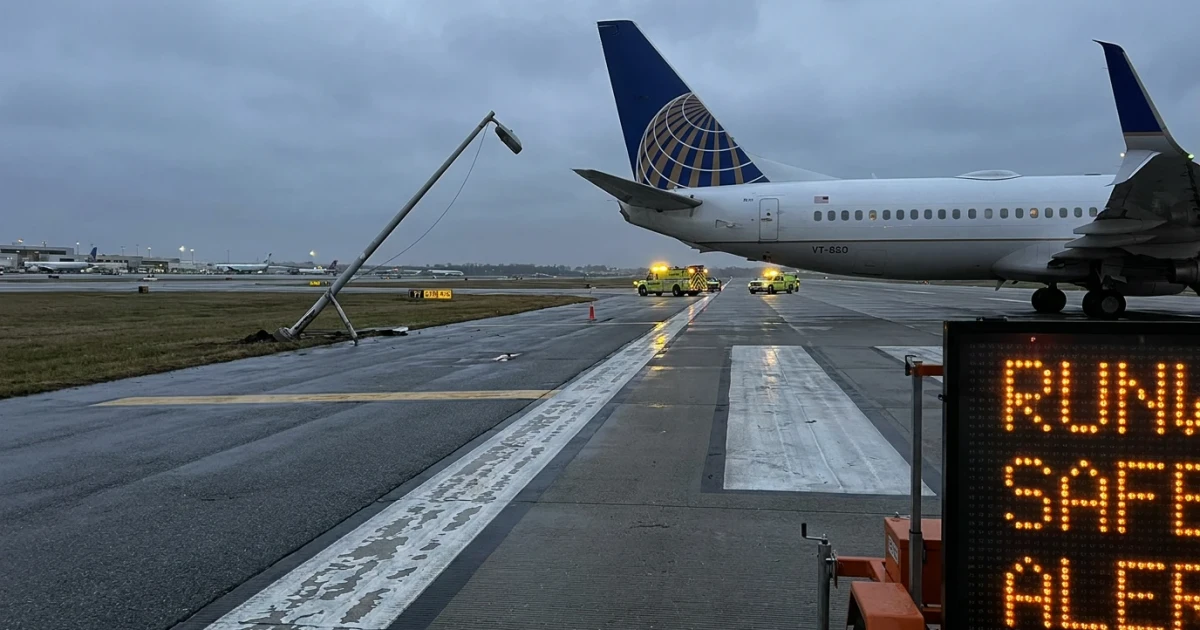
A recent federal report on the United Airlines jet that struck a light pole during its approach has revealed that the copilot realized the aircraft was flying too low, but not in time to prevent the collision. The incident, which did not result in injuries, has raised new questions about runway safety and pilot response protocols.
Details of the Incident
The National Transportation Safety Board’s preliminary findings indicate that the United jet was on approach when it clipped a light pole near the runway. According to AP News, the copilot became aware of the aircraft’s dangerously low altitude moments before impact but was unable to correct the flight path in time. The incident did not cause injuries, though the aircraft sustained damage.
- The flight crew received warnings about their altitude prior to the collision.
- No passengers or crew were hurt, but the jet required repairs before returning to service.
For readers interested in official documentation and investigative outcomes, the NTSB Aviation Accident Database provides searchable records of this and similar incidents.
Pilot Awareness and Safety Protocols
The AP News report highlights that the copilot recognized the plane was too low only seconds before the impact. This timeline aligns with cockpit alert systems that typically issue warnings when an aircraft deviates from prescribed approach paths. Aviation safety experts note that while such warnings are standard, timely crew response is critical to avoiding ground collisions.
The FAA’s runway incursion definitions clarify that even near-misses or ground collisions with objects fall under reportable safety events, emphasizing the importance of continuous vigilance during approaches.
Runway Incursion Trends and Industry Response
This event comes amid growing concern over runway incursion statistics, which show a slight increase in such incidents across U.S. airports in recent years. While most do not result in injuries or significant damage, each event is examined for lessons that can improve procedures and technology.
- According to the FAA, there were 1,730 runway incursions in 2023, including both minor and more serious cases.
- United Airlines, like all major carriers, is required to participate in regular safety audits and implement recommendations from federal investigations.
Those interested in broader safety trends can reference the Bureau of Transportation Statistics airline safety records for up-to-date data on incident rates by carrier and airport.
Next Steps and Broader Implications
The NTSB is continuing its investigation, with further reports expected to detail the cockpit crew’s actions, the performance of onboard warning systems, and any contributing environmental or procedural factors. Industry analysts point out that while no single incident can shift policy, recurring themes—such as late-stage altitude awareness and ground object proximity—often drive improvements in pilot training and airport infrastructure.
For deeper insight into the factors behind runway incursions and ongoing mitigation strategies, the FAA’s 2023 Runway Safety Report offers a comprehensive overview.
Conclusion
While the United jet’s collision with a light pole resulted in no injuries, the incident underscores the need for constant vigilance and robust safety systems during aircraft approaches. As more data and recommendations emerge from the current investigation, airlines and regulators are expected to review and, where necessary, enhance protocols to reduce the risk of similar events in the future.