Health
UnitedHealth, CVS and Cigna fight state efforts to break up drug control
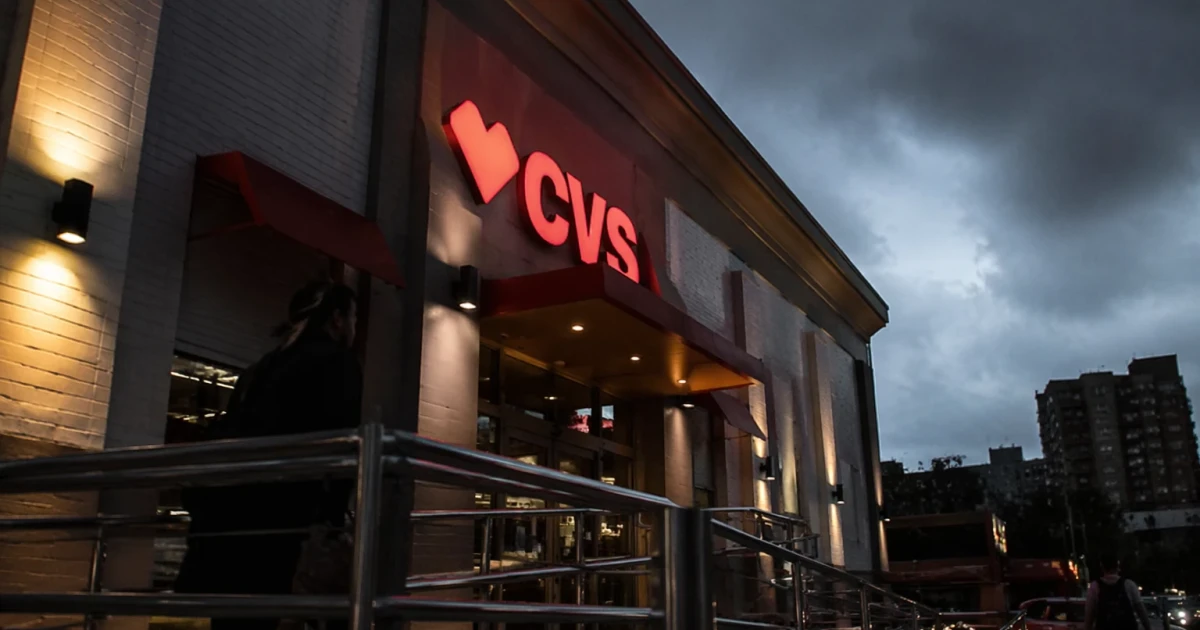
CVS sued in federal court hours after Tennessee Gov. Bill Lee signed a new law in May targeting health conglomerates that control prescription benefits and run retail and mail-order pharmacies. Arkansas and Tennessee both passed 2026 laws that target the business model built by UnitedHealth Group, CVS Health and Cigna, and lawmakers in other states and in Washington have floated similar limits.
UnitedHealth, Cigna’s Express Scripts and a trade association later filed additional lawsuits over the Tennessee measure, while the three giants and their allies have leaned on lobbyists, customer texts and television advertising to warn that patients could lose access to affiliated pharmacies. Separating the businesses would strip out practices that push costs higher and squeeze independent drugstores.
The stakes are enormous because the Big 3 PBMs, CVS Caremark, Express Scripts and Optum Rx, together process about 80% of U.S. prescriptions. UnitedHealth now operates a major insurer, a pharmacy benefit manager, a provider network, surgery centers, a claims clearinghouse, a mail-order pharmacy and a bank. The three conglomerates now rank among the 15 largest U.S. public companies by sales, a status none of them held as recently as 2011.
The Federal Trade Commission’s January 2025 interim report found that PBM-affiliated pharmacies were reimbursed at higher rates than unaffiliated pharmacies on nearly every specialty generic drug studied. It also found that those affiliated pharmacies generated more than $7.3 billion in revenue above estimated acquisition costs from 2017 to 2022, with particularly large markups on specialty generics used for cancer, HIV and other conditions.

In February 2026, lawmakers enacted PBM-related provisions in the Consolidated Appropriations Act, 2026, including a rule that delinks PBM compensation in Medicare Part D from drug prices or rebate arrangements and requires PBMs to pass through 100% of rebates to employer health plans. Senators Elizabeth Warren and Josh Hawley also introduced the Break Up Big Medicine Act in February, a broader vertical-integration bill that would bar companies from owning both a health insurer or PBM and a medical provider or management services organization, with a one-year divestiture timeline and penalties that could force companies to escrow 10% of profits if they miss milestones.
On January 22, 2026, House committees held more than nine hours of questioning for executives from UnitedHealth Group, CVS Health, Elevance Health, Cigna and Ascendiun, with lawmakers pressing on vertical integration, prior authorization and affordability. Alexandria Ocasio-Cortez compared the concentration to old banking monopolies, while UnitedHealth CEO Stephen Hemsley defended the model as a way to improve coordination of care and use data more efficiently. A bipartisan bill in December 2024 would have forced health companies that own insurers or PBMs to sell pharmacy assets within three years.
Sources
- [1]nytimes.com
- [2]strategichealthcare.net
- [3]kff.org
- [4]ftc.gov
- [5]beckerspayer.com
- [6]healthcaredive.com