Health
University of Michigan scientists uncover peach fuzz pathway behind itch

University of Michigan researchers have identified a sensory pathway tied to fine, vellus-like hairs that appears to trigger mechanical itch, the kind set off by touch rather than irritants. The finding, published in Neuron under the title A specialized population of hair afferents dedicated to transmitting mechanical itch, points to a possible path toward more precise treatments for stubborn itching that current therapies still struggle to control.
That distinction matters because chronic itch is not the same as the short-lived chemical itch caused by poison ivy or a mosquito bite. The University of Michigan said there are currently no effective treatments for chronic itch, even though the condition is a major problem for patients with inflammatory skin disease. The National Institute of Allergy and Infectious Diseases says eczema, or atopic dermatitis, is the most common chronic inflammatory skin disease in the United States, affecting 10% to 30% of children and 2% to 10% of adults. The National Institute of Arthritis and Musculoskeletal and Skin Diseases says the condition can make skin extremely itchy, and scratching often makes it worse.
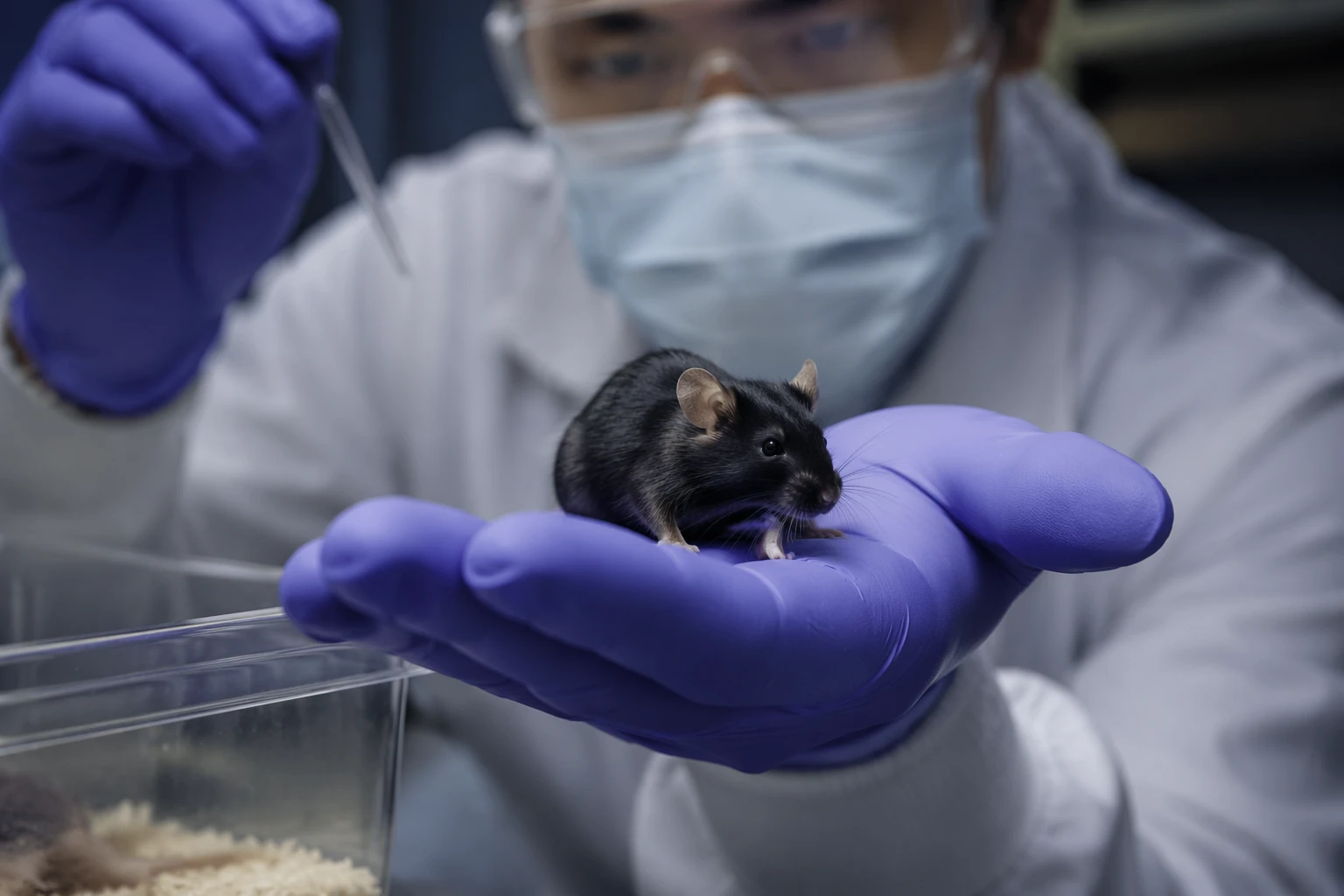
To test the new pathway, the Michigan team studied mice with chronic skin inflammation comparable to eczema in humans. The researchers found specialized touch-sensitive nerve cells connected to vellus-like hairs, the light, peach-fuzz hairs that cover much of the human body. Mice with those neurons scratched in response to itch as expected, but when the neurons were removed or switched off, scratching dropped sharply. That result suggests the cells are part of the itch circuit itself, not just a side effect of ordinary skin sensation.
The University of Michigan also reported that human neurons grown in culture responded to the same proteins seen in the mouse experiments, strengthening the case that people may share the same mechanism. Bo Duan, an associate professor in the Department of Molecular, Cellular, and Developmental Biology, said the pathway may play an important role in both acute and chronic itch sensation. The paper, which carried DOI 10.1016/j.neuron.2026.05.017, received support in part from the National Institutes of Health.

The work builds on a 2019 University of Michigan study that identified a spinal circuit for mechanical and persistent itch, extending that map from the spinal cord back to the skin. If the human pathway proves to function the same way, future therapies could aim directly at the nerve circuitry that turns a light touch into the urge to scratch, rather than broadly suppressing the skin’s inflammatory response.
Sources
- [1]sciencedaily.com
- [2]news.umich.edu
- [3]cell.com
- [4]niaid.nih.gov
- [5]niams.nih.gov