Lifestyle
Unpacking the Viral Wave: Why Social and Lifestyle Trends Spread So Fast in Modern China
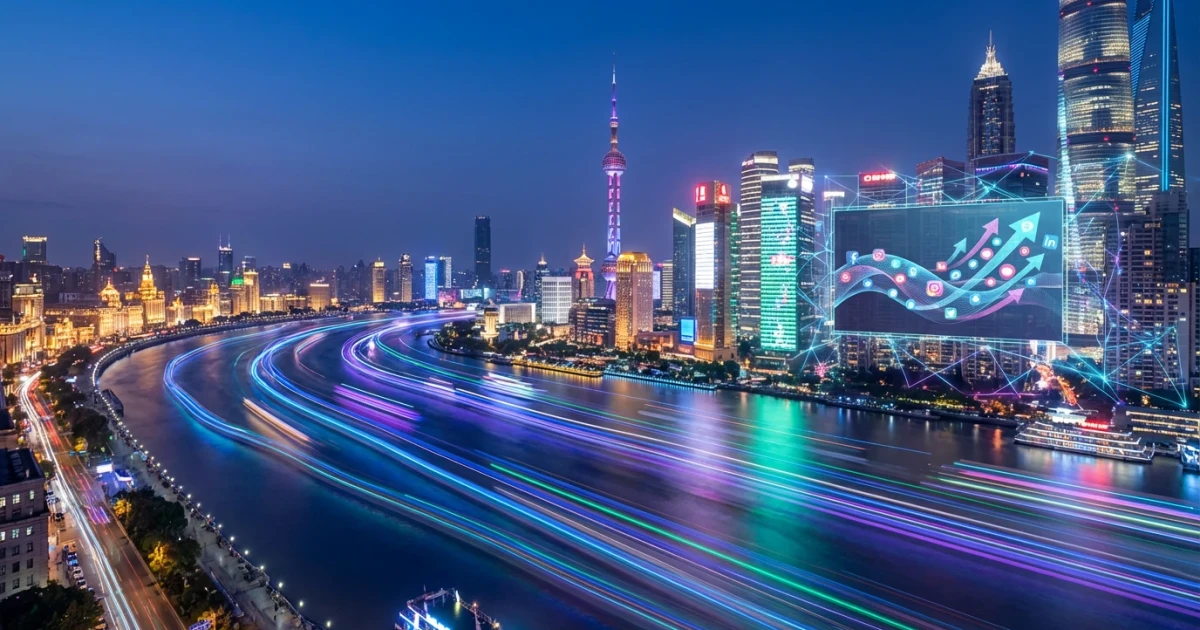
Modern China has become a global epicenter for viral social and lifestyle trends, captivating millions and often making headlines far beyond its borders. The rapid rise and nationwide adoption of these phenomena raise a compelling question: What fuels the extraordinary speed at which trends spread in China today?
The Digital Ecosystem: Fertile Ground for Virality
China’s digital landscape is uniquely positioned to foster trend proliferation. The country boasts over one billion internet users, most of whom are active on homegrown social platforms like WeChat, Weibo, Douyin (the Chinese version of TikTok), and Xiaohongshu (Little Red Book). These platforms offer highly integrated features—combining messaging, e-commerce, video sharing, and live streaming—allowing content to be created, shared, and monetized at lightning speed.
- Platforms such as Douyin and Xiaohongshu are specifically designed for short-form content, making trend participation easy for users of all ages.
- In-app algorithms quickly promote content that attracts engagement, often sending viral posts to millions within hours.
- Social commerce tools enable trends—from fashion to food—to become instantly shoppable, accelerating spread.
Collective Culture and Social Influence
China’s strong sense of collective identity also accelerates the spread of trends. Many Chinese consumers are highly attuned to social cues and aspire to participate in popular movements, fostering a “herd effect.” This is particularly visible among younger generations, who are eager to express individuality while remaining connected to broader societal currents.
- Group chats and influencer communities play a key role in validating and amplifying new trends.
- Trend adoption is often spurred by peer recommendations, celebrity endorsements, and viral challenges.
Government and Platform Regulation
While the digital sphere in China is lively, it is also carefully regulated. The government’s oversight can both restrict and amplify trends. For instance:
- Platforms are required to remove content considered harmful or subversive, shaping the types of trends allowed to flourish.
- Government campaigns—such as environmental or health initiatives—often go viral due to coordinated promotion and official backing.
Economic Impact: The Power of Trend-Driven Markets
Viral trends in China often translate directly into economic activity. Brands and entrepreneurs monitor social buzz closely, launching products or campaigns that align with the latest fads. Limited edition items or "internet-famous" foods can sell out within minutes, and some micro-trends even spark their own supply chains.
- Pop-up stores, flash sales, and collaborative product lines have become standard responses to viral demand.
- Entire industries—from beauty and fitness to home décor—routinely experience trend-driven sales surges.
Conclusion: A Unique Viral Ecosystem
China’s viral trends are a product of a unique convergence: advanced digital infrastructure, a highly networked society, and an energetic youth culture all fuel the rapid rise and spread of new movements. While some trends fade as quickly as they arrive, others reshape consumer behaviors and even influence global pop culture. As technology and society continue to evolve, China is poised to remain at the forefront of the world’s viral wave.