US News
Unpaid TSA Officers Lead to Unpredictable Airport Delays
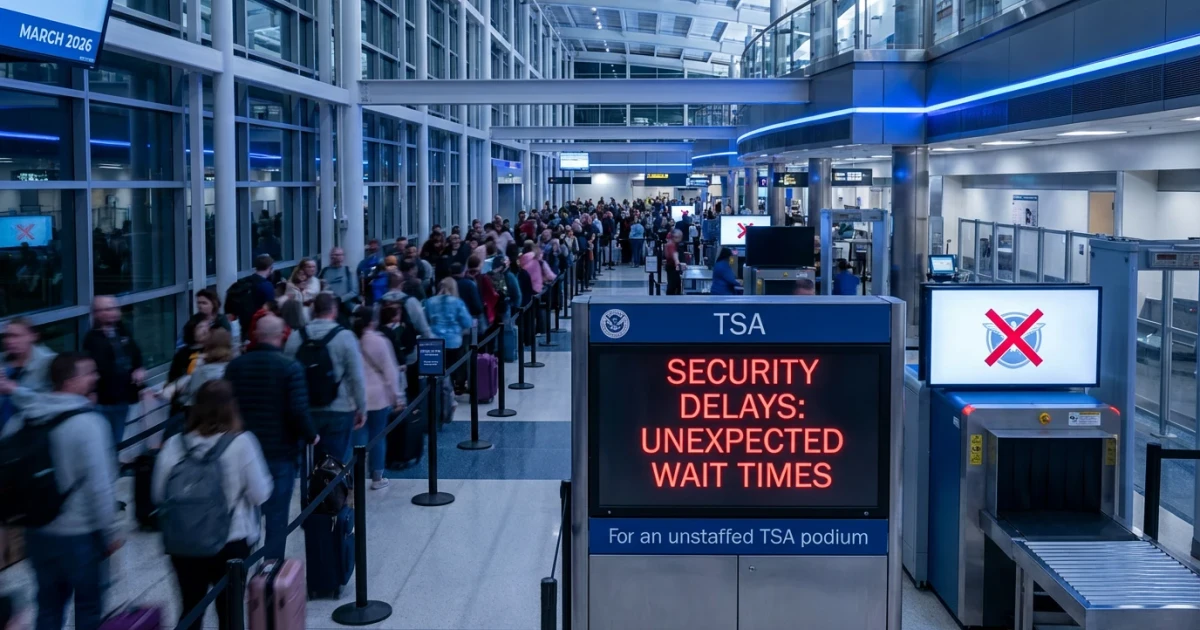
Major U.S. airports are bracing for a chaotic Friday travel rush as TSA officers continue working without pay, leading to unpredictable wait times and growing anxiety among travelers and airline officials. CNN reports that the ongoing funding lapse has left Transportation Security Administration (TSA) screeners unpaid, resulting in a tense environment as the busy weekend approaches.
Unpaid TSA Officers Fuel Uncertainty
The current situation stems from a lapse in federal funding, meaning TSA officers responsible for screening millions of passengers each day have not received their regular paychecks. As a result, airports across the country are reporting inconsistent staffing levels at security checkpoints, with some locations experiencing longer lines than usual and others managing to operate at close to normal efficiency.
Historically, similar funding lapses have led to increased absenteeism among TSA workers, as financial pressures mount and morale dips. According to experts cited by CNN, the possibility of workforce shortages impacting airport operations grows the longer the pay freeze continues. While airport closures remain unlikely in the short term, severe staffing shortages could force some airports to consolidate security lanes or temporarily suspend certain services, especially at smaller facilities with fewer personnel.
Impact on Travelers and Airports
Travelers are already reporting erratic wait times at security checkpoints, with some lines stretching well beyond typical durations during peak travel hours. CNN notes that Friday is expected to be particularly challenging, as passenger volumes surge ahead of the weekend. Official TSA throughput data shows that Fridays routinely rank among the highest for passenger screenings, increasing pressure on already strained staff.
- Airports such as Atlanta Hartsfield-Jackson, Chicago O'Hare, and Dallas/Fort Worth are among the busiest and most vulnerable to delays if absenteeism rises.
- Some travelers have been advised to arrive at least three hours before their scheduled departures to account for potential delays.
- Major airlines are monitoring the situation and warning passengers of possible disruptions to flight schedules if wait times extend or checkpoints are forced to close temporarily.
Could Airports Close If TSA Officers Don’t Show?
While the prospect of a full airport shutdown is remote, industry experts told CNN that disruptions could become more severe if the funding lapse drags on. Smaller airports with less redundancy in staffing are particularly at risk, as even a modest increase in unscheduled absences could require a reduction in operating hours or closures of specific checkpoints.
Experts also pointed out that, under federal law, TSA officers are considered essential employees and are required to report for duty during funding lapses. However, prolonged periods without pay could eventually lead to higher rates of sick calls or resignations, compounding the risk of operational disruptions. The TSA's pay structure leaves many officers living paycheck-to-paycheck, making extended periods of unpaid work especially difficult.
Advice for Travelers
Given the uncertainty, passengers are encouraged to:
- Monitor their airport’s official website and social media channels for real-time updates on security wait times
- Arrive earlier than usual, especially for flights departing during peak morning and evening hours
- Consider the possibility of rescheduling or rerouting their travel if their local airport is experiencing significant delays
Looking Ahead
The situation remains fluid as negotiations over federal funding continue in Washington. If the impasse is resolved soon, TSA officers are expected to receive back pay and normal operations should resume. However, if the standoff persists, pressure will mount on an already stretched workforce, raising the risk of more widespread delays or service interruptions.
For the latest data on holiday travel volumes and airport activity, travelers can reference U.S. Department of Transportation resources. Meanwhile, the travel industry is closely watching for any signs of escalation that could impact airport operations nationwide.