Science
Unraveling Why Diverse Bird Species Flock Together
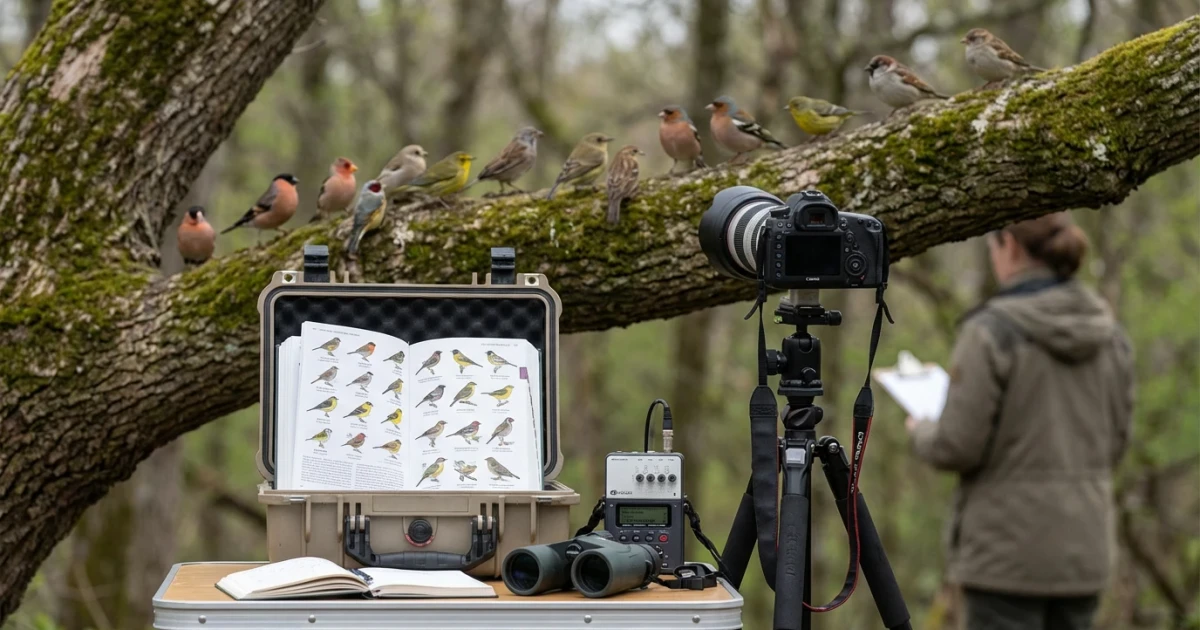
Recent research is shedding new light on a fascinating phenomenon in the avian world: the tendency for different bird species to form mixed flocks. While the phrase "birds of a feather flock together" suggests birds stick with their own kind, observations in the wild—and growing scientific evidence—demonstrate that many species regularly come together in diverse, communal groups, especially during migration and foraging.
Why Do Birds Form Mixed Flocks?
Mixed-species flocks, often comprising a variety of small songbirds, waterfowl, or shorebirds, are common across continents. According to the Audubon Bird Guide, these aggregations can include warblers, chickadees, nuthatches, and more, often moving together through woodlands or open fields. Scientists believe these flocks form for several important reasons:
- Safety in Numbers: Grouping together helps birds watch for predators. With more eyes and ears, the chance of detecting danger early increases.
- Foraging Benefits: Different species may specialize in finding food in unique ways or locations. By flocking together, they can follow each other's cues to rich feeding grounds, maximizing their chances of finding food.
- Learning Opportunities: Younger or less experienced birds can learn from others in the group, picking up on new feeding techniques or migration routes.
As explained in the All About Birds explainer, flocking behaviors also offer social and ecological advantages, helping birds conserve energy during flight and navigate complex environments more efficiently.
Diversity Within the Flock
Despite differences in size, color, and behavior, birds in mixed-species flocks often develop intricate social structures. The New York Times highlighted that leaders within these groups are frequently dominant or more alert species, such as titmice or chickadees, whose warning calls prompt the entire flock to respond. Meanwhile, smaller, quieter birds benefit by staying close to these sentinels, enjoying greater protection without having to invest as much energy in vigilance.
Field observations suggest that flock composition changes with the seasons. During harsh winters or migrations, flocks may become larger and more diverse, as the collective benefits are even more critical for survival. Data from eBird Status and Trends provide real-time tracking of such flocking patterns, showing that certain species are more likely to join mixed groups during key migratory periods.
Conservation and Changing Flock Dynamics
Understanding mixed flock behavior is more than just a scientific curiosity—it has direct implications for bird conservation. According to population trend data from Birds Canada, the abundance and diversity of mixed-species flocks can serve as indicators of ecosystem health. Declines in key flocking species may ripple through these networks, impacting many other birds that rely on their vigilance or foraging leadership.
Furthermore, conservationists use insights from flocking behavior to plan habitat protection strategies. By ensuring the preservation of woodlands, wetlands, and other critical habitats where mixed flocks gather, managers can support a wide array of species at once.
What Science Is Still Discovering
While the general benefits of mixed flocking are well documented, scientists continue to explore the details. For example, research published in Nature reports that the global diversity of birds is even greater than previously thought, making the dynamics of these multi-species groups a fertile ground for discovery. How birds communicate, coordinate movement, and establish hierarchies within these flocks remains an active area of study.
Looking Ahead
As climate change and habitat loss reshape the world’s ecosystems, understanding the complex relationships within bird communities becomes increasingly important. Mixed-species flocks suggest that collaboration among different birds is not just common, but vital for survival. Ongoing research and conservation efforts will be essential to protect these intricate social networks and the broader biodiversity they represent.