US News
Unstable Manhattan building evacuations follow East Coast flooding warnings

Firefighters evacuated part of Midtown Manhattan after two interior support columns began to buckle at 235 East 42nd Street, a 38-story former Pfizer headquarters that was undergoing renovation and conversion. FDNY responded shortly before 8 a.m. on July 7, 2026, after workers discovered the structural problem in the building.
The tower remained unstable as engineers worked to shore up the damaged floors. Drones were being used to inspect and monitor the building, a sign that crews were treating the site as a continuing hazard rather than a contained incident.
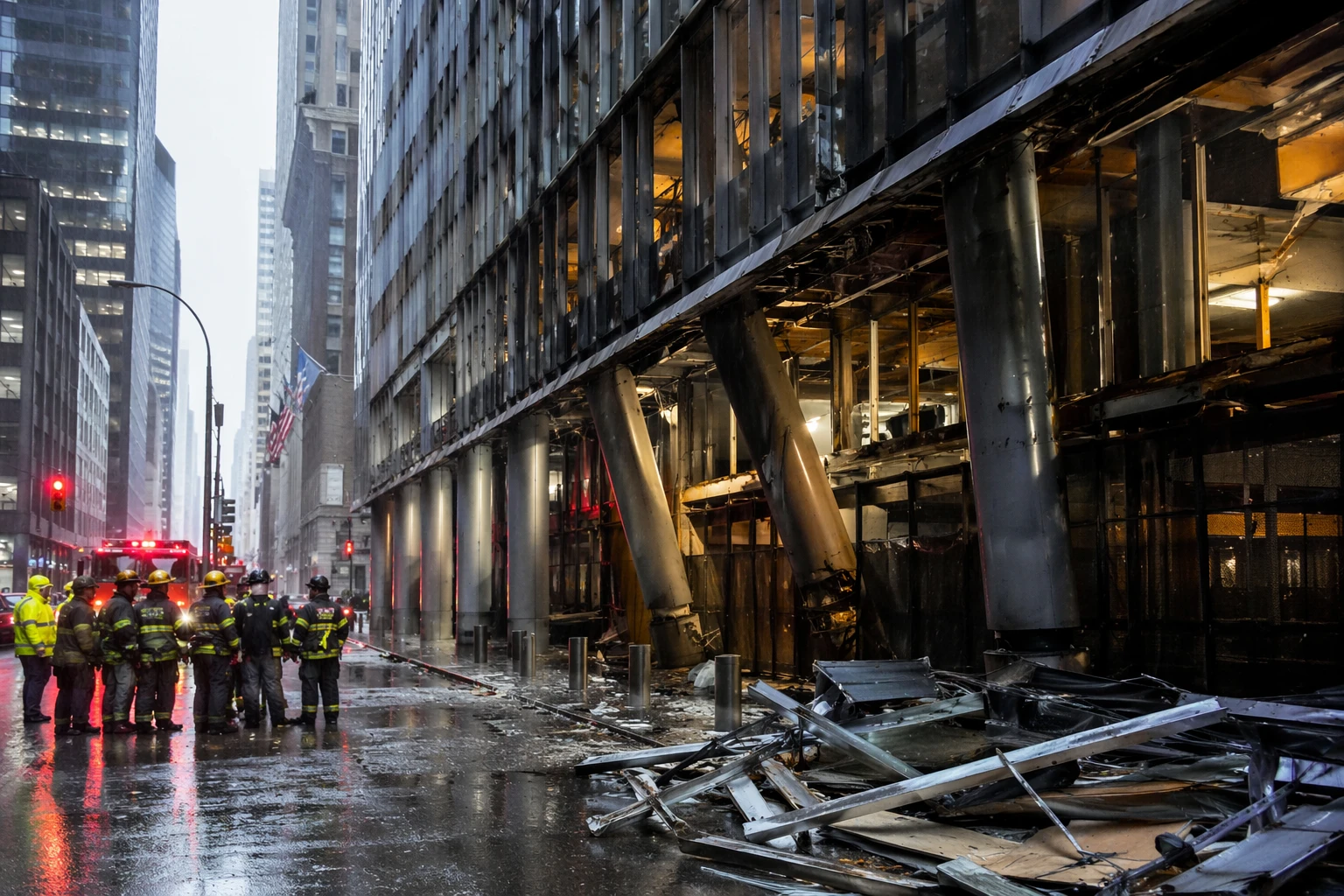
The evacuation came while New York City was already under weather alerts for a separate threat. New York City Emergency Management had warned of periods of heavy rain, thunderstorms and localized flooding from overnight July 5 through the morning of July 7. The National Weather Service’s forecast for Manhattan on July 7 also pointed to rain chances and the risk of localized flooding, putting added strain on a city already dealing with an unstable high-rise in one of its busiest business districts.
The timing was especially stark because the flooding along the East Coast followed a stretch of intense heat in parts of the region. Meteorologists have said hotter air can hold more moisture, and when slow-moving storms tap that moisture, flash flooding can intensify quickly. That pattern has turned a familiar summer weather cycle into a growing urban stress test for cities with old infrastructure, dense streets and limited room to absorb water.
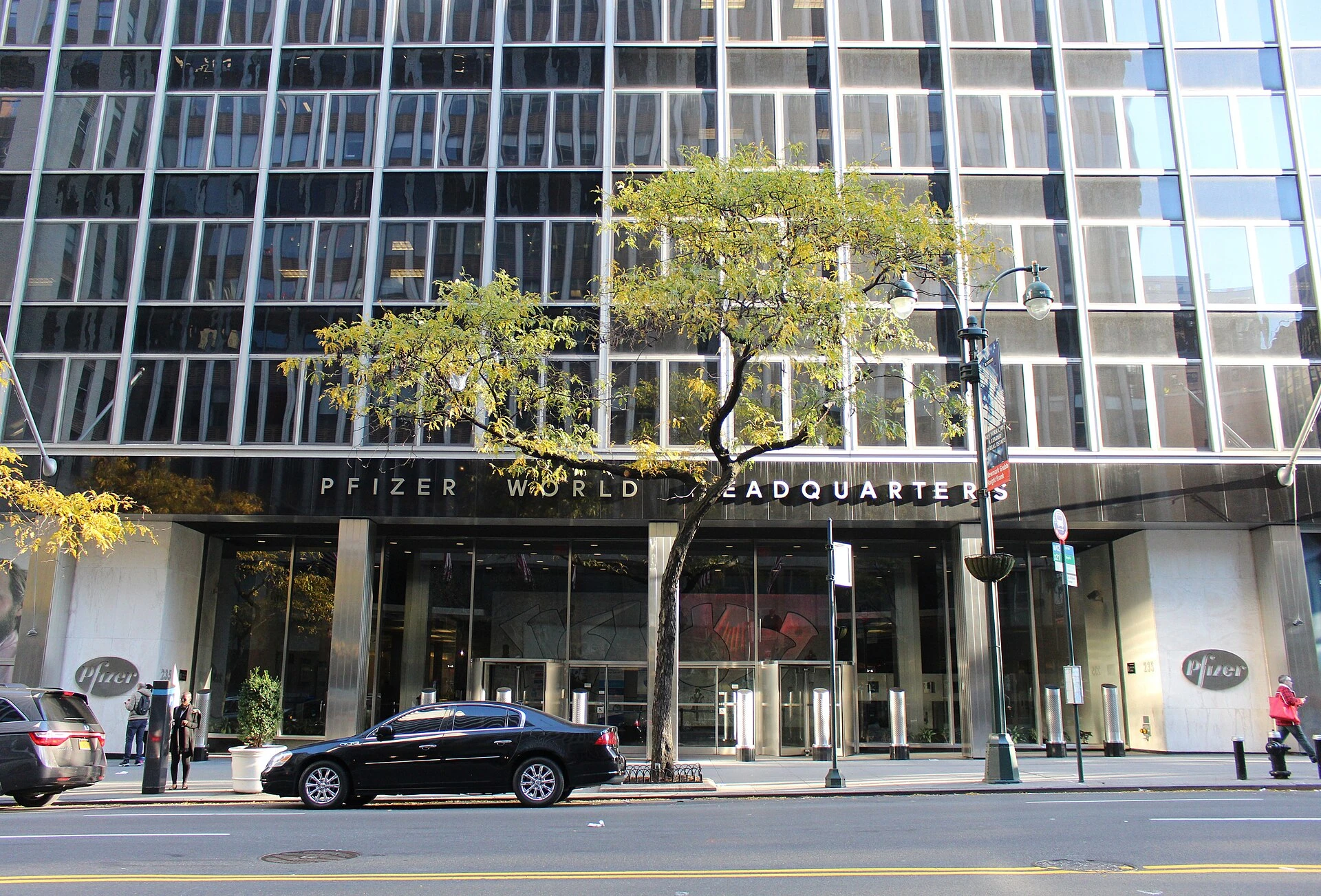
In Midtown Manhattan, the immediate question was whether 235 East 42nd Street could be stabilized without a wider collapse. Across the East Coast, the larger problem was how many more neighborhoods could face the same combination of overloaded drainage, heavy rainfall and emergency crews pulled in multiple directions at once.
Sources
- [1]cbsnews.com
- [2]cnbc.com
- [3]foxnews.com
- [4]nyc.gov
- [5]forecast.weather.gov
- [6]komonews.com