Science
Unveiling the Blueprint: How Cells Build Eggs with Actin and Microtubules
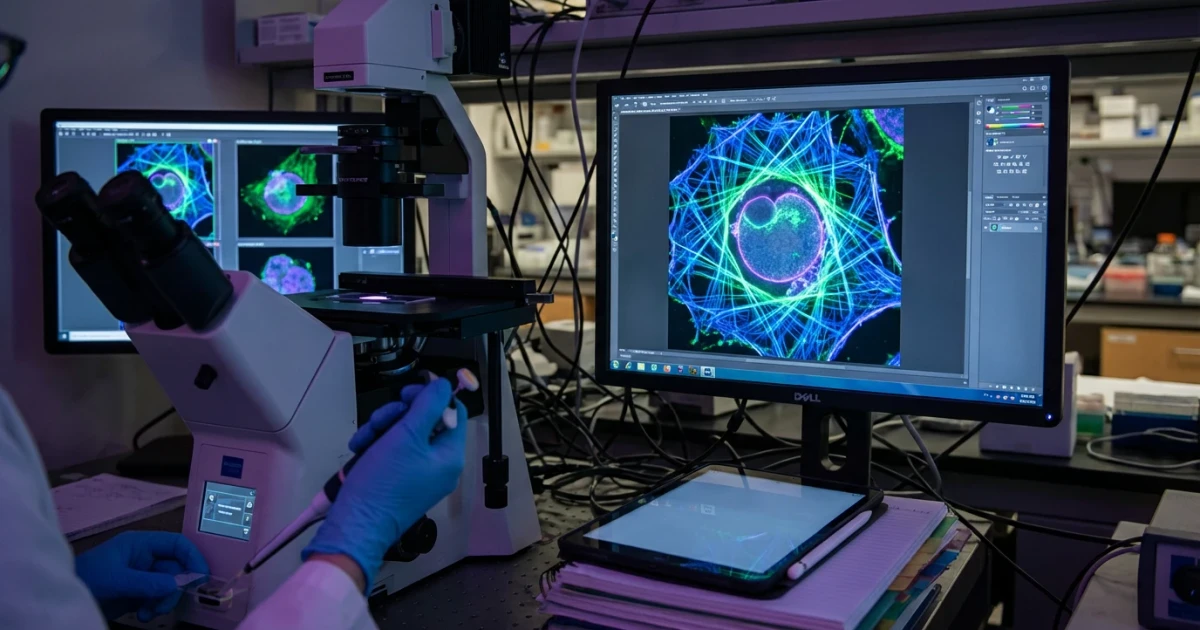
Scientists have uncovered a critical mechanism in egg development, revealing how cells orchestrate the assembly of eggs using two key structural proteins—actin and microtubules—as a coordinated scaffold. This breakthrough offers fresh insights into one of the most fundamental processes in biology: the formation of eggs, or oocytes, which are essential for reproduction across the animal kingdom.
The Cellular Architecture Behind Egg Formation
The formation of a mature egg is a complex, highly regulated process. At its core are two cytoskeletal elements: actin filaments and microtubules. These protein structures serve as the cell’s internal framework, guiding the shape, structure, and internal organization of the developing egg. New research highlighted by Phys.org details how these two components do not work in isolation, but rather form a coordinated scaffold that supports and shapes the egg as it matures.
- Actin filaments provide dynamic support, enabling movement and reshaping of cellular components during egg formation.
- Microtubules act as tracks for moving materials and help organize the spatial layout of the egg's interior.
This coordinated scaffolding ensures that essential nutrients, organelles, and genetic material are correctly positioned within the growing egg, setting the stage for successful fertilization and embryonic development.
Why the Actin-Microtubule Partnership Matters
Egg cells are among the largest cells in animals, and their formation requires precise spatial organization. The discovery that actin and microtubules work together as a scaffold system helps explain how eggs achieve their unique architecture:
- Structural integrity: The combined scaffold maintains the egg’s shape, preventing deformation during growth.
- Transport efficiency: The scaffold enables efficient transport of materials, such as proteins and RNA, to the correct locations within the egg.
- Developmental readiness: Proper organization ensures the egg can support early stages of embryogenesis after fertilization.
Implications for Biology and Medicine
This research provides a window into the intricate choreography of cellular machinery. Understanding how actin and microtubules coordinate could inform advances in reproductive medicine and developmental biology. It may also shed light on fertility issues where egg formation is disrupted, and open avenues for improving assisted reproductive technologies.
Furthermore, since the cytoskeletal system is a universal feature of all eukaryotic cells, these findings could influence a broad range of studies—from cancer research to regenerative medicine—where cell structure and division are critical.
Looking Ahead: Future Directions
As research continues, scientists hope to map in even greater detail how the interactions between actin and microtubules are regulated during egg development. Such studies could reveal new targets for intervention when reproductive processes go awry and deepen our understanding of the cellular foundations of life.
For those interested in the latest advances in developmental biology and cellular architecture, these insights mark a significant step forward in decoding the mysteries of how life begins at the cellular level.
Sources
- [1]Phys.org